



Vitoria-Gasteiz combines its Medieval Quarter, cathedral, museums and wetlands in central walking routes, with green spaces suited to a second day.
 Belén Rivas
GuruWalk
·
Updated 3 Sep 2026
Belén Rivas
GuruWalk
·
Updated 3 Sep 2026Vitoria-Gasteiz combines an almond-shaped medieval quarter, arcaded squares, free museums and wetlands within easy reach of the centre. Most central sights fit into a walk, while a second day leaves time for the city’s green spaces. To understand why the old town grew on a hill and how its layers connect, start with one of the free tours in Vitoria-Gasteiz. No credit card is needed to book.
Last verified: August 2026 — Prices, opening hours, and reservation requirements checked against official sources. GuruWalk’s Vitoria-Gasteiz guides reviewed the practical recommendations.
For orientation, follow the route from Plaza de la Virgen Blanca through Los Arquillos to the Medieval Quarter. It passes the Battle of Vitoria Monument, San Miguel Church, Plaza del Machete, Renaissance palaces and the trade-named streets of the old town. A local guru explains what the façades alone cannot show: the walled settlement, later urban expansion and the level change between the hill and the 19th-century city.
Free tours have no fixed ticket price. At the end, each walker chooses a contribution based on the experience; the usual reference is €10-20 per person, rising to €50 for small groups or exceptional gurus. Booking does not require a credit card. The tour also makes it easier to decide which churches, museums and parks deserve more time later.
Free Tour "Times of Power" in Vitoria-Gasteiz 🔹 History, secrets, and curiosities…

The most entertaining and closest tour to discover Vitoria! Route through the Medieval Quarter and En…

A walk through one of the most beautiful and unknown cities in Spain, where you can see its neoclassi…

Discover Vitoria-Gasteiz with an unforgettable free tour. ✅ History, anecdotes, and so…

I suggest you discover Vitoria in a different way: by bike!! This two and a half hour bike route through…
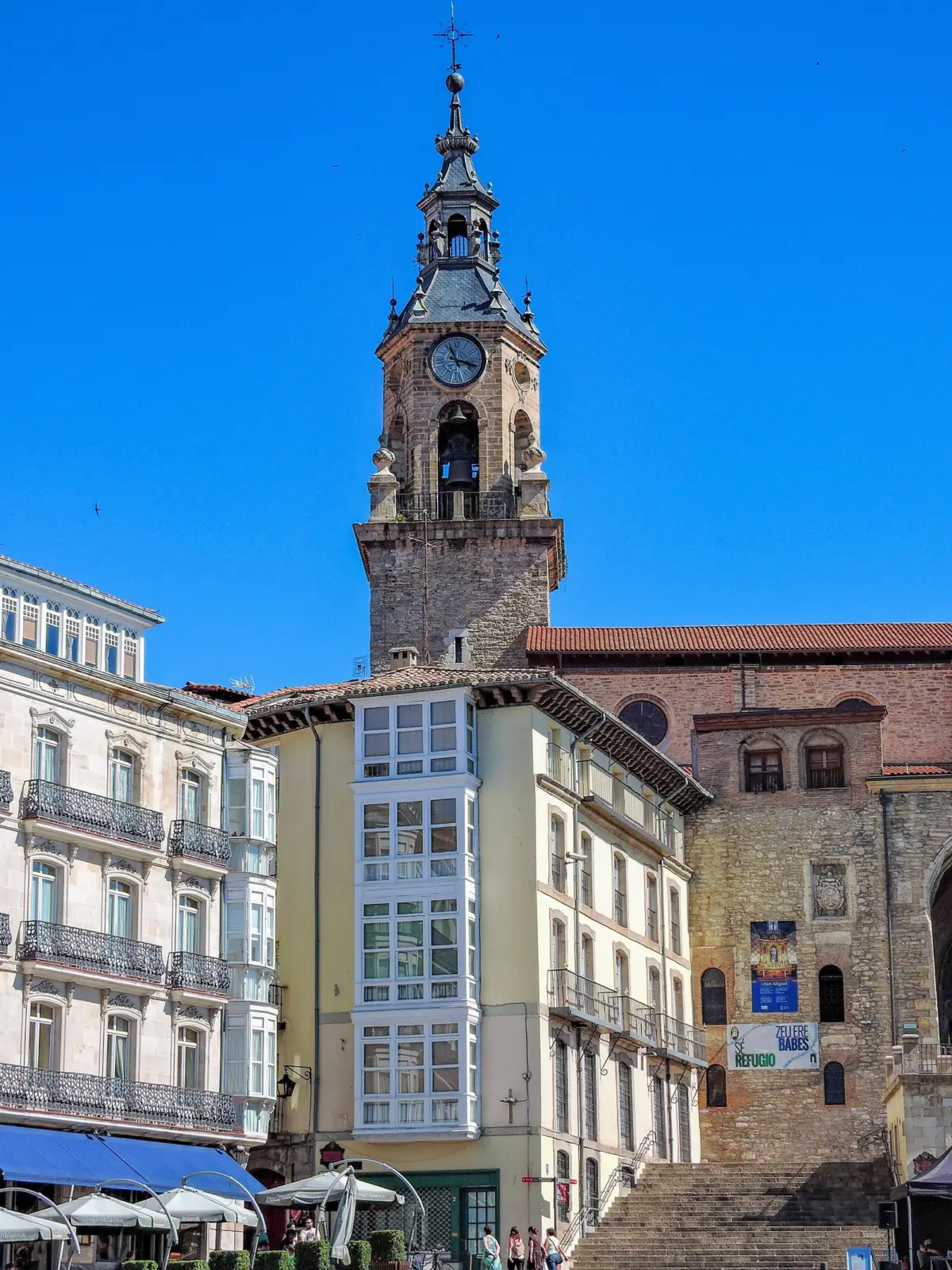
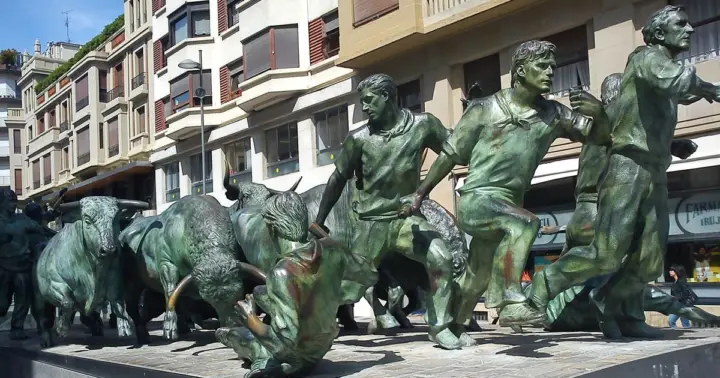
Vitoria’s main central reference point is Plaza de la Virgen Blanca. The Battle of Vitoria Monument stands in the middle, while San Miguel Church and the niche of the White Virgin close one side. From the square, the streets rise towards the medieval almond and run downhill into the pedestrianised extension.
Only a few steps away, Plaza de España is also called Plaza Nueva. This regular arcaded square houses the Tourist Office, a useful place to pick up a current map. Municipal resources include an official collection of Vitoria-Gasteiz maps and brochures, including a 2026 city map and self-guided routes.
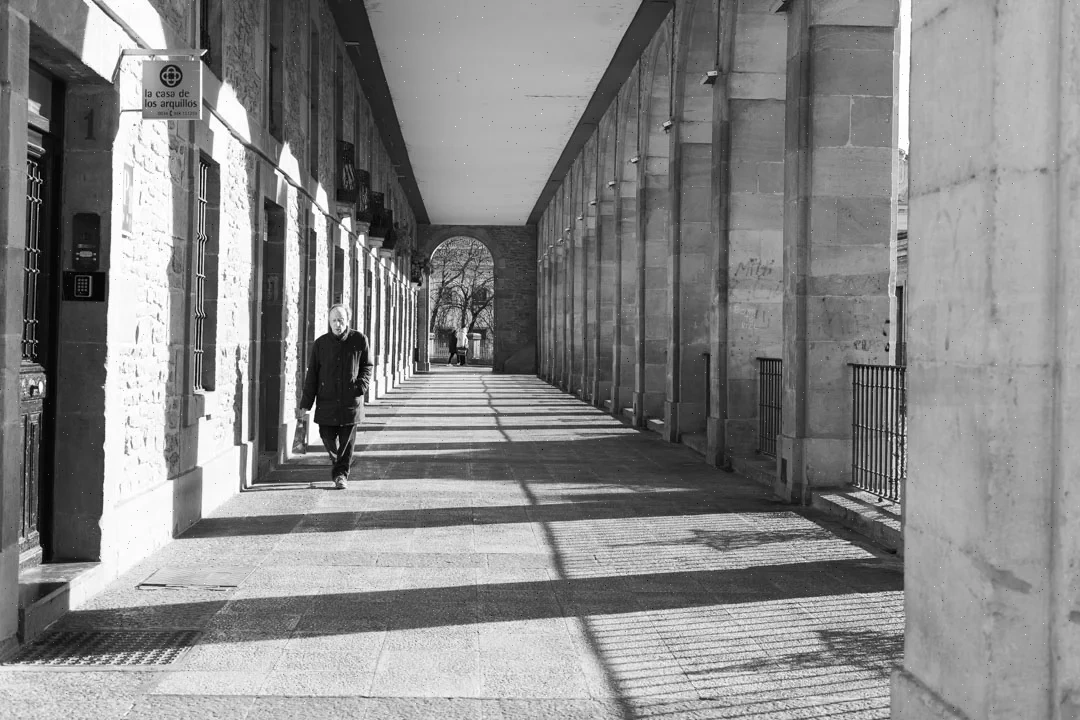
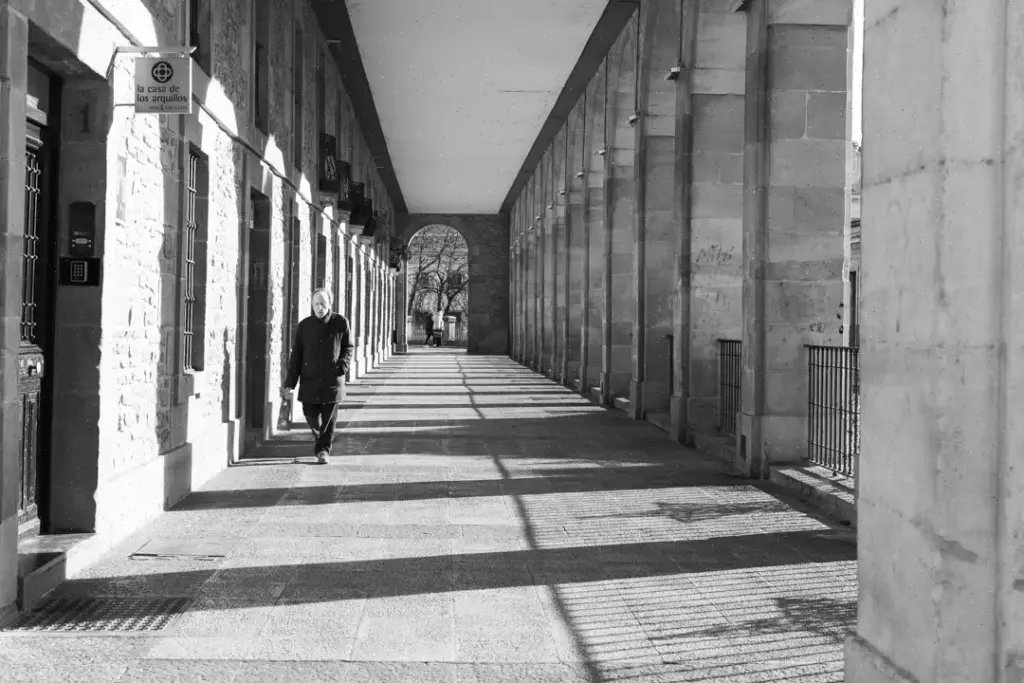
Los Arquillos solves the height difference between the medieval town and the neoclassical expansion through a sequence of terraces and covered arcades. The passage leads towards Plaza del Machete beside the apse of San Miguel. A replica of the machete on which former city representatives swore their oath of office remains on display there.
This section works well early or late in the day. Morning light suits the climb towards the cathedral, while the arcades frame views over the extension later on. There is no admission charge and no building needs to be open: following the slope from Plaza de España to the upper streets explains the urban transition clearly.
Within the Medieval Quarter, the streets remain arranged in the shape of an almond. Cuchillería, Pintorería, Zapatería, Herrería and Correría preserve the names of former trades. Tower houses, Renaissance palaces and sections of the first wall sit near the top; the city’s tourism information dates that wall to the 11th century.
Several of the old town’s most recognisable civil buildings surround Plaza de la Burullería. Santa María Cathedral is nearby. For a route without tickets, continue down Cuchillería and return through Plaza del Machete. Ramps and outdoor escalators ease part of the climb, although stable shoes help on the historic paving.
Also known as the Old Cathedral, Santa María Cathedral reveals its changes through a guided route covering the crypt, triforium, wall walk and portico. The Santa María Cathedral Foundation lists the basic 60-minute adult visit at €9. A combined cathedral and wall visit lasts 90 minutes and costs €10.50.
Places are sold for set time slots, and the website does not accept same-day online bookings. Check availability and book through the official Santa María Cathedral booking page. After the visit, Plaza de la Burullería, the wall and Bibat museum form a compact next section.
Bibat combines the Álava Archaeology Museum and the Fournier Playing Card Museum in two connected buildings. Its archaeology galleries trace the territory between the Palaeolithic period and the foundation of medieval towns, using objects to build the sequence. Bendaña Palace contains the playing-card collection. Separate displays cover production methods and different types of games.
Admission is free. The official Bibat visitor information lists hours from 10 am to 2 pm and 4 pm to 6.30 pm, Tuesday to Saturday; Sundays and public holidays, 11 am to 2 pm. It closes on Mondays except public holidays. The address is 54 Cuchillería Street, directly on the Medieval Quarter route.
Painted façades offer another view of the neighbourhood after the museum. The Vitoria-Gasteiz Mural Route began in 2007, and the municipal account records 19 large-scale public mural workshops. Works appear across the Medieval Quarter and other districts, so a first visit need not cover the full trail. Two or three pieces fit naturally between Bibat, the cathedral and Correría Street.
Artium Museoa focuses on contemporary art in the Basque Country. Exhibition galleries open from 11 am to 2 pm and 5 pm to 8 pm, Tuesday to Friday; Saturdays, Sundays and public holidays run continuously from 11 am to 8 pm. General admission costs €5, but entry is free every afternoon and all day Sunday. Non-holiday Mondays are closed.
Official Artium practical information also covers concessions, accessibility and closure dates. The museum is on Francia Street, within walking distance of the Medieval Quarter. Allowing 60 to 90 minutes is enough for a selective visit rather than a hurried circuit of every room.
An early-20th-century palace on Paseo Fray Francisco houses the Álava Fine Arts Museum. Its displays concentrate on Basque art from 1850 to 1950 and Spanish art from the 18th and 19th centuries. Admission is free. Opening hours are 10 am to 2 pm and 4 pm to 6.30 pm, Tuesday to Saturday; Sundays and public holidays, 11 am to 2 pm.
Free audio guides in English, Spanish, Basque and French are confirmed on the official services and opening-hours page. Its location makes it a logical stop on a walk linking the extension, Florida Park and Paseo de la Senda.
Florida Park was created in 1820 and marks the transition from the urban centre to Paseo de la Senda. It provides a quiet break between squares and museums. From here, the tree-lined route passes the Augustin-Zulueta Palace, home of the Fine Arts Museum, and continues towards the Basilica of Armentia.
With only a few hours, walk one section and return to the centre. With more time, Paseo de la Senda becomes a link towards Armentia and the Green Belt. The changing surroundings are the point: neoclassical arcades give way to gardens, residential villas and wooded paths within the same half-day route.
Around the city, the Green Belt connects peri-urban parks through walking and cycling corridors. Completing the full circuit means covering more than 30 km. It is not a quick add-on. For a first visit, choose Salburua on the eastern side and include the Ataria wetlands interpretation centre.
Ataria stands at 4 Paseo de la Biosfera. Its official access and opening information puts the journey from the centre at about 40-45 minutes on foot or 15 minutes by bicycle. From May to September it opens from 11 am to 2 pm and 4 pm to 8 pm; from October to April it closes one hour earlier. Mondays are closed, subject to the listed holiday exceptions.
An elevated viewpoint inside Ataria looks over the wetlands. Walking through Salburua and stopping at the centre is enough to understand the landscape without completing the entire Green Belt. Set aside at least two hours for the outdoor route and interpretation spaces.
Start the morning with a free tour through Virgen Blanca, Los Arquillos and the medieval almond. Follow it with a pre-booked Santa María Cathedral visit. After lunch, Bibat provides a free indoor option. Finish by linking several murals with Artium; afternoon admission to the contemporary art museum is free.
Begin day two in Florida Park, continue along Paseo de la Senda and visit the Fine Arts Museum. Use the afternoon for Salburua and Ataria, adding the natural landscape that sets Vitoria-Gasteiz apart from many historic capitals. This order avoids repeated crossings and leaves time to pause in the squares.
Central sights such as the Medieval Quarter, extension, Artium and Florida Park lie within a practical walking area. Public transport is most useful for Salburua, the bus station and outlying districts. In 2026, a standard daytime bus ticket costs €1.40. Tourist bus passes cost €5 for one day, €7.50 for two days and €10 for three.
Passes are sold at the Tourist Office and Tuvisa office. Buses and trams accept BAT, Barik and Mugi cards. Some card fares receive discounts. A pass may be unnecessary when the stay focuses on the old town and museums. Anyone planning Salburua plus several journeys spread across the day should compare the available pass with single tickets before paying.
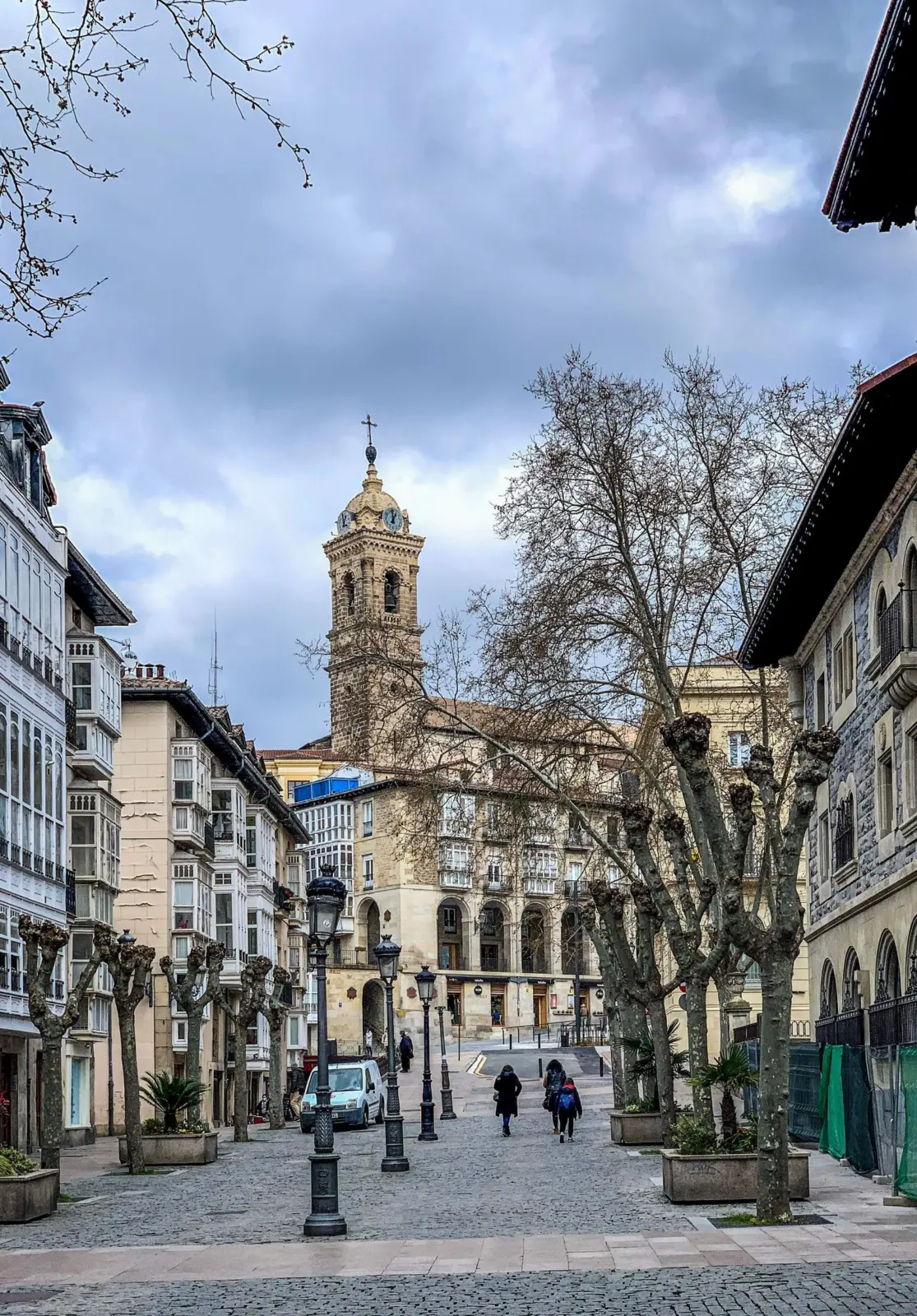
One day covers the centre, the cathedral and one museum. Two days allow time for Paseo de la Senda, the Fine Arts Museum and Salburua without squeezing their opening hours.
The squares, Los Arquillos, the outdoor Medieval Quarter route, murals, Florida Park and Salburua are free. Bibat and the Fine Arts Museum also charge no admission. Artium is free every afternoon and throughout Sunday.
Yes. The main visitor area is walkable. Buses, trams and bicycles cover journeys to Salburua and the other Green Belt parks.
Book the cathedral time first and place a free tour in Vitoria-Gasteiz near the start of the trip. Then add one museum and one park according to the time available. For more options, browse activities and experiences in Vitoria-Gasteiz to complete the itinerary.
Travel marketing specialist with extensive experience in the travel sector. At companies such as Despegar and GuruWalk, she has led traveler-focused digital acquisition strategies. Now, from the GuruWalk blog, she combines her expertise with her passion for discovering and sharing unique destinations.
Local guides, pay-what-you-want and no credit card to book. That is how you understand a city.
Explore free tours on guruwalk.com