


Follow Antwerp’s one-day route from Grote Markt and the Cathedral of Our Lady to Plantin-Moretus, Central Station and KMSKA.
 Julieta Betancor
GuruWalk
·
Updated 27 Aug 2026
Julieta Betancor
GuruWalk
·
Updated 27 Aug 2026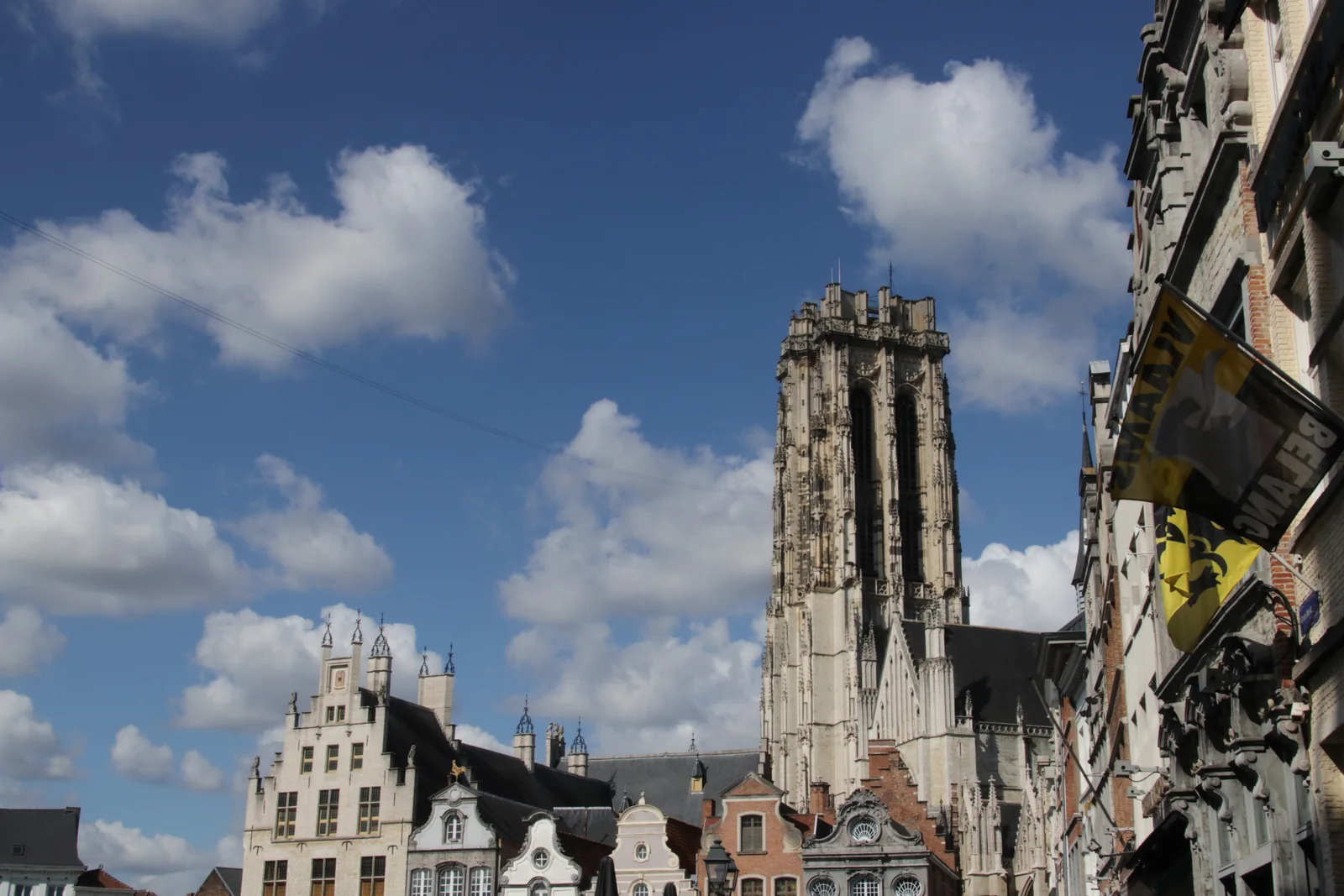
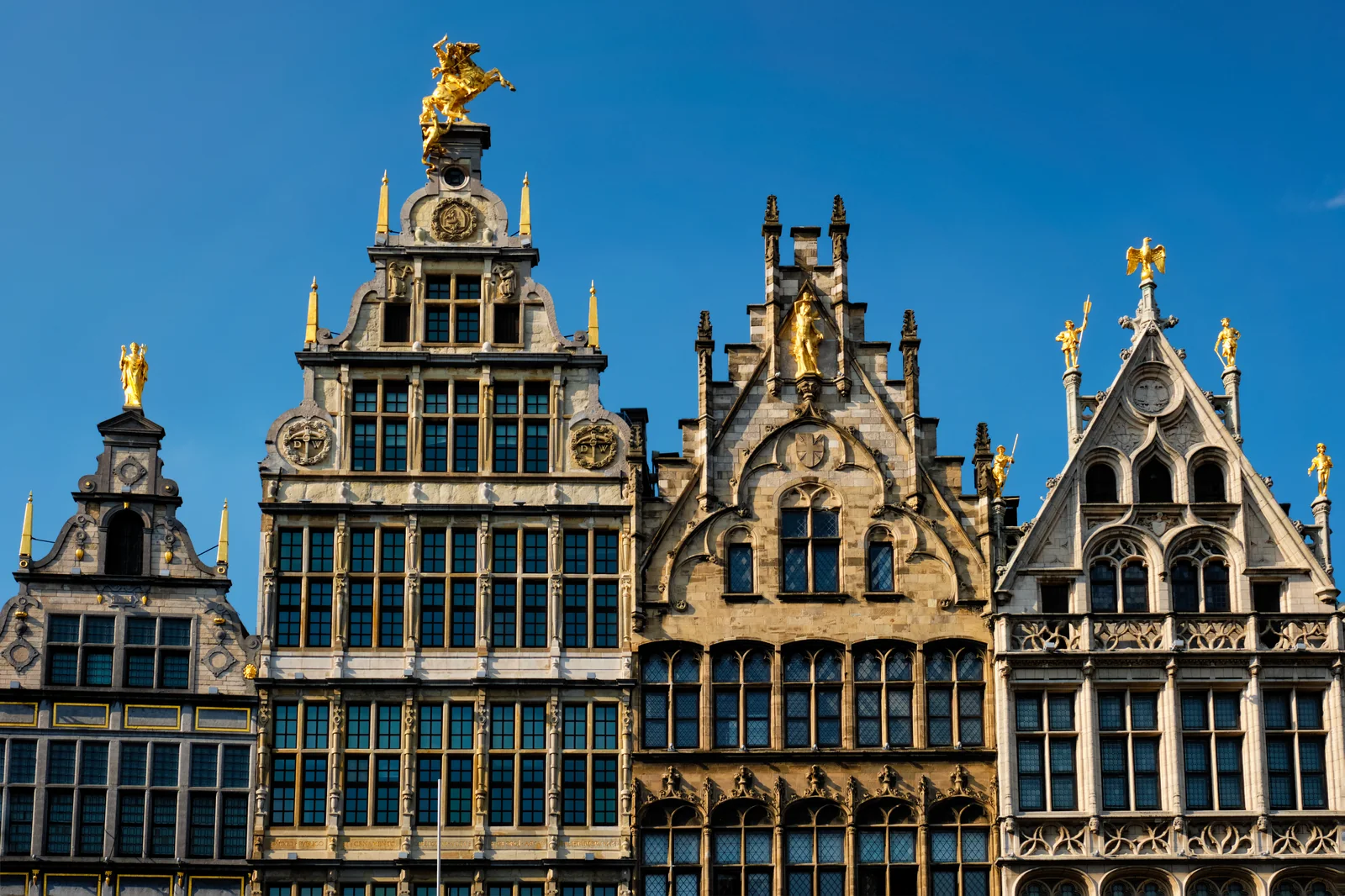
Start in Antwerp’s historic centre at Grote Markt. The Renaissance City Hall, Brabo Fountain and rows of ornate guild houses make this the best place to get an immediate feel for the city.
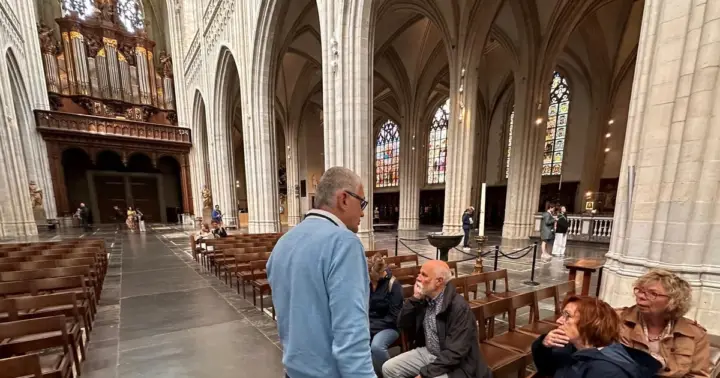
From the square, walk to the Cathedral of Our Lady. Its soaring Gothic tower is one of Antwerp’s defining landmarks, while the interior brings together centuries of architecture and major works by Peter Paul Rubens.
Continue to the Plantin-Moretus Museum. Set inside the former home and workshops of a remarkable printing dynasty, it offers a much more intimate visit than its importance to European book history might suggest.
After lunch, head towards the Scheldt and Het Steen, the surviving gatehouse of Antwerp’s medieval riverside fortress. The riverfront is a good place for a short pause before crossing the centre towards the station.
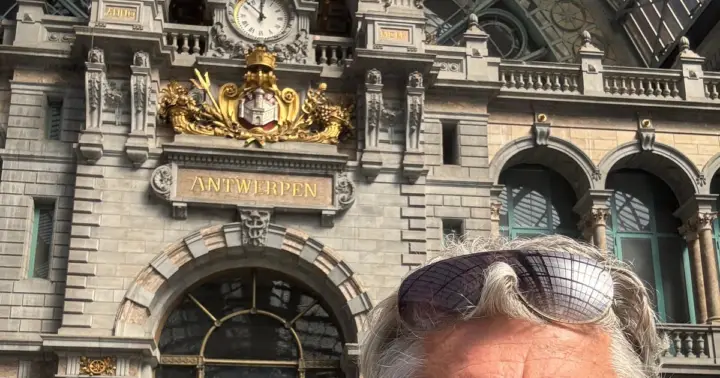
Make time to step inside Antwerp Central Station, even if you are not catching a train. Its monumental hall, stonework and vast iron-and-glass train shed have made it one of the city’s most photographed buildings.
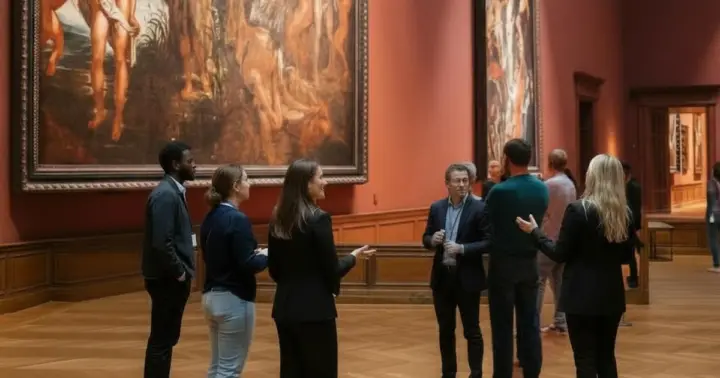
Finish at the Royal Museum of Fine Arts Antwerp (KMSKA), where Flemish masters sit alongside later Belgian and European art. It is a rewarding final stop, but its collection deserves time, so check current admission and opening hours before building it into a one-day plan.
The Cathedral of Our Lady stands between Handschoenmarkt and Groenplaats, just a few minutes from Grote Markt. Construction began in 1352 and continued over several centuries, which helps explain the richness of its Gothic architecture and later additions. Inside, the cathedral is especially known for paintings by Rubens, making it both a religious landmark and an essential art stop.
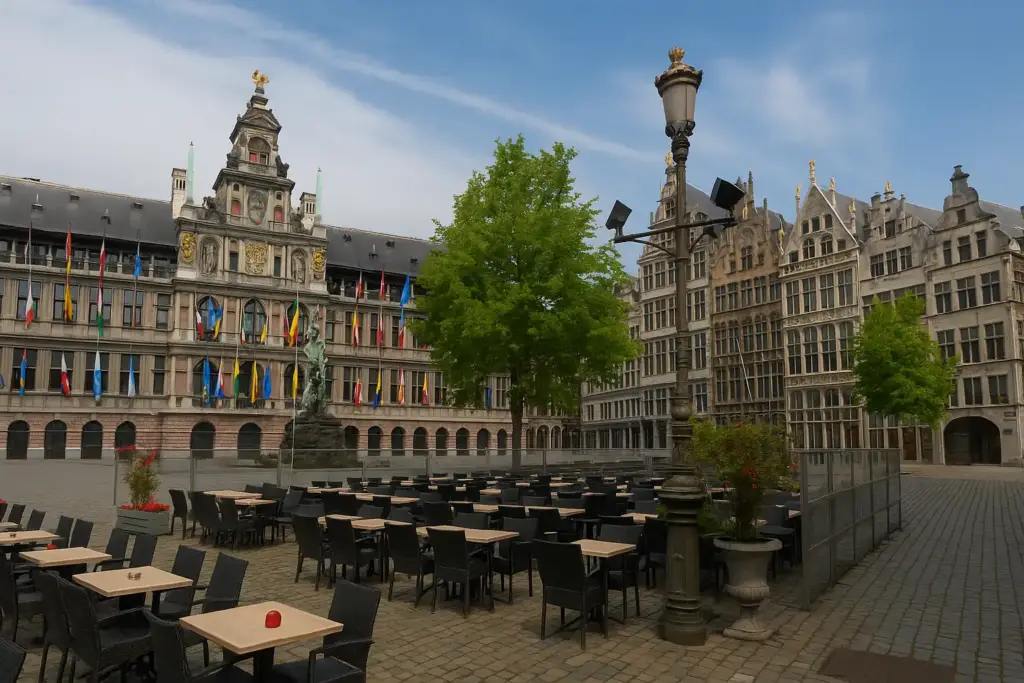
Grote Markt is Antwerp’s historic main square. The 16th-century City Hall anchors one side, while richly decorated guild houses frame the rest; many of those façades were reconstructed during the 19th and 20th centuries. At the centre, Brabo Fountain evokes the legend traditionally associated with the city’s name. Visit early for a quieter look at the architecture, then return later if you want to experience the square at its liveliest.
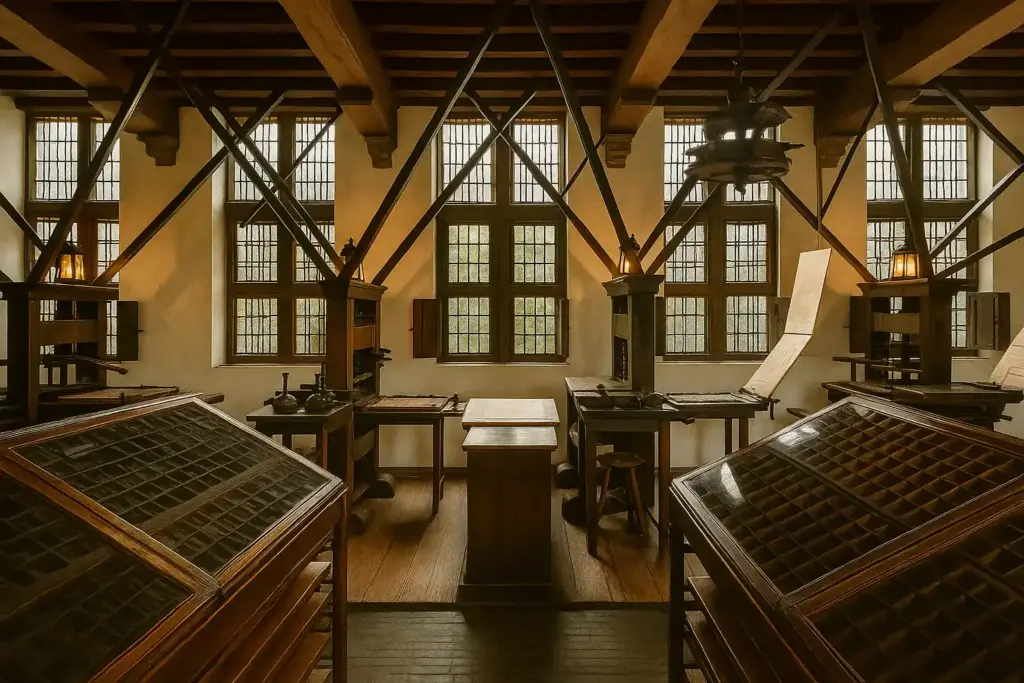
The Plantin-Moretus Museum preserves the home and printing workshops of Christoffel Plantin and his successors, one of Europe’s most influential early-modern publishing families. Its historic presses, library, manuscripts and domestic rooms show how books were produced and how a successful printing house operated. The complex is recognised by UNESCO, and its unusually complete setting makes the history of printing feel tangible rather than abstract.
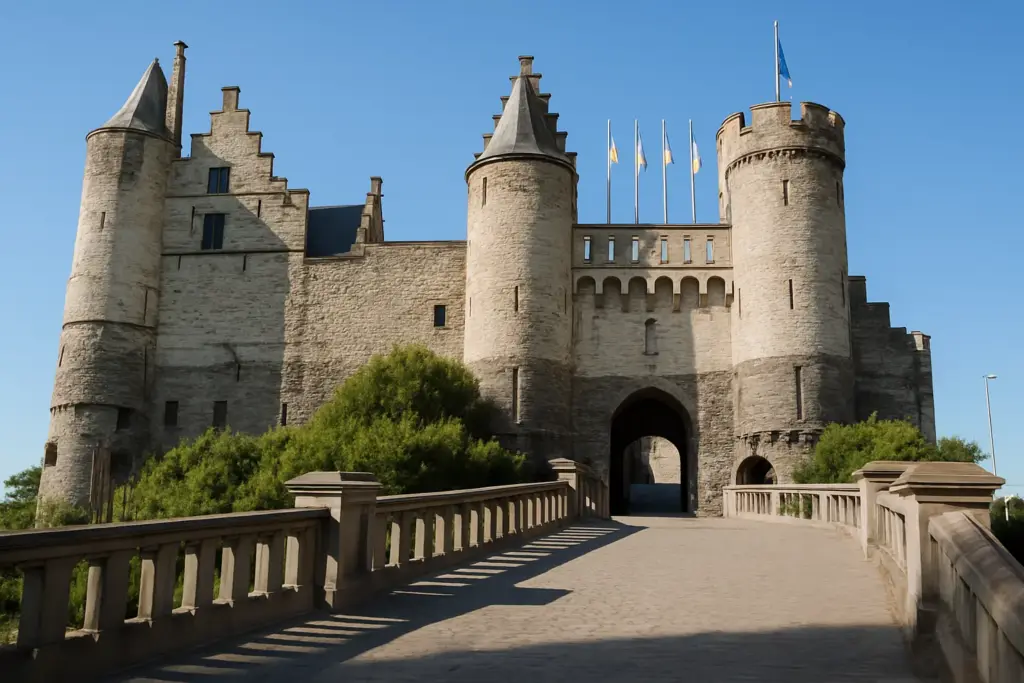
Het Steen stands on the bank of the River Scheldt and is the most visible remnant of Antwerp’s former riverside fortress. The surviving medieval structure dates largely from the early 13th century, although it has been altered repeatedly. Today, the setting and views over the river are as much a part of the visit as the building itself. Access to interior visitor facilities can change, so confirm the current arrangements if you plan to go inside.
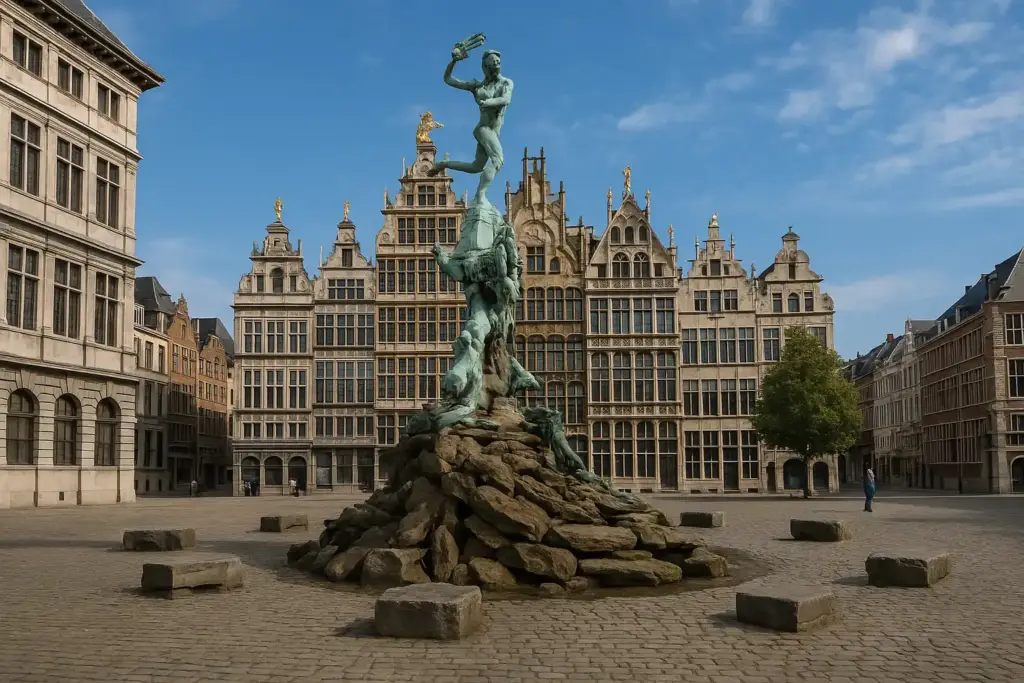
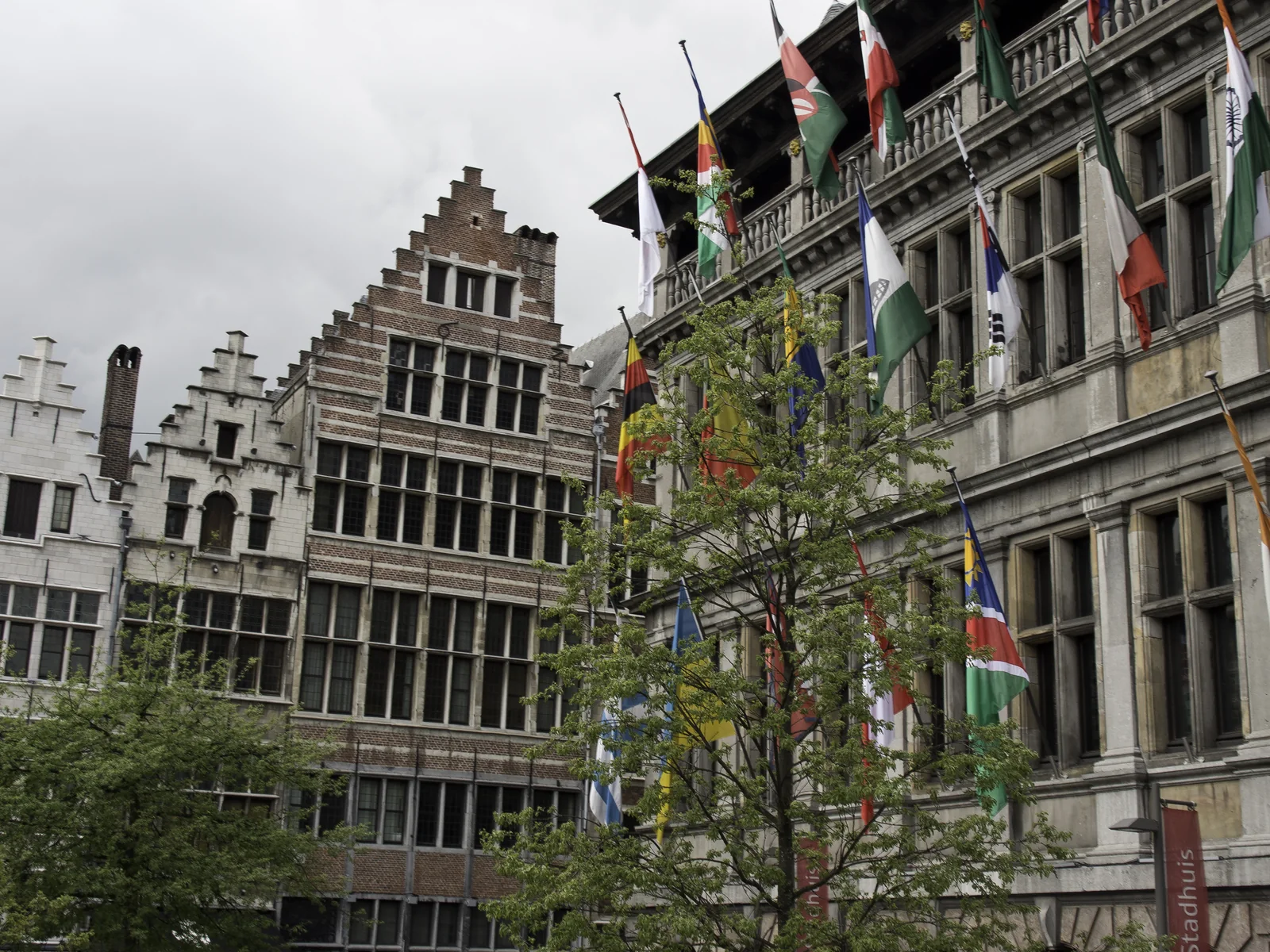
Antwerp City Hall, or Stadhuis, presides over Grote Markt. Completed in the 16th century, its Renaissance design reflects the wealth and international outlook of Antwerp during its commercial golden age. The façade rewards a slow look, and the surrounding guild houses—many reconstructed in the 19th and 20th centuries—complete one of Belgium’s most memorable urban ensembles.

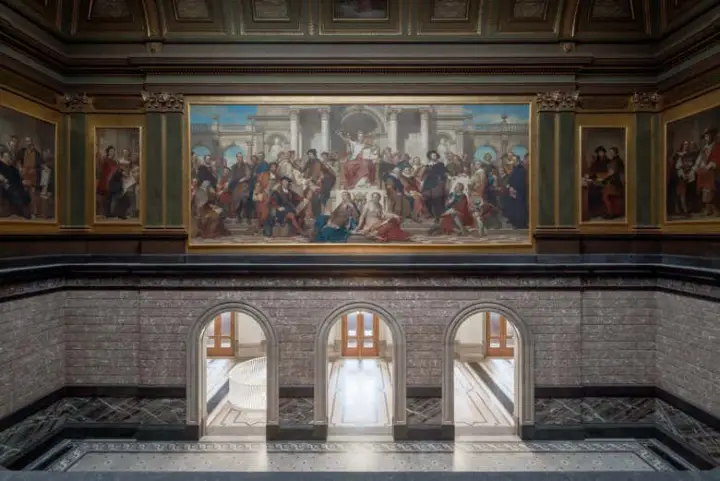
The Royal Museum of Fine Arts Antwerp, usually known by its Dutch initials KMSKA, opened in 1890 and holds one of Belgium’s major art collections. Its galleries span several centuries, with particular strength in Flemish painting.
Rubens, Anthony van Dyck and Jacob Jordaens are among the best-known names, but the museum also provides a broader view of how Belgian and European art developed from the Renaissance into the 20th century. Temporary displays and gallery access can change, so consult the museum’s current programme before your visit.
🎨 Look beyond the headline works: Rubens’s Adoration of the Magi (1624) is an excellent example of his command of colour, movement and light. Check the current gallery display before visiting, as individual works may occasionally be moved or loaned.
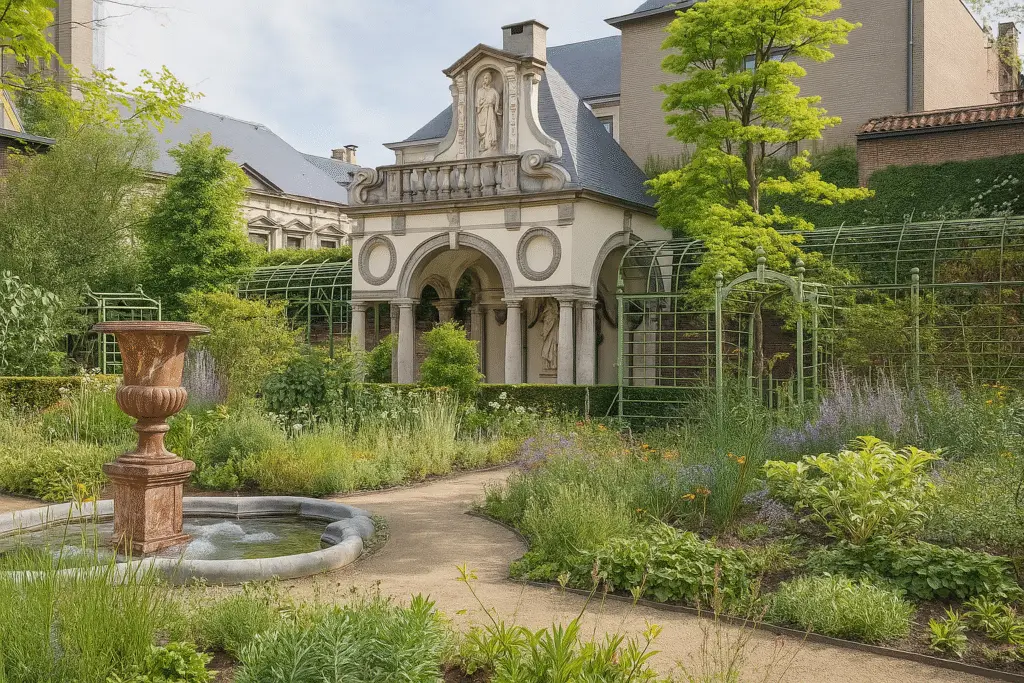
Rubenshuis was the Antwerp home and studio of Peter Paul Rubens. The historic residence is currently closed for restoration, but the Rubens Experience, the reconstructed baroque garden and the library provide alternative ways to explore the artist’s life and working world. This arrangement is temporary: check the official visitor information before going, especially if seeing the original house is central to your plans.
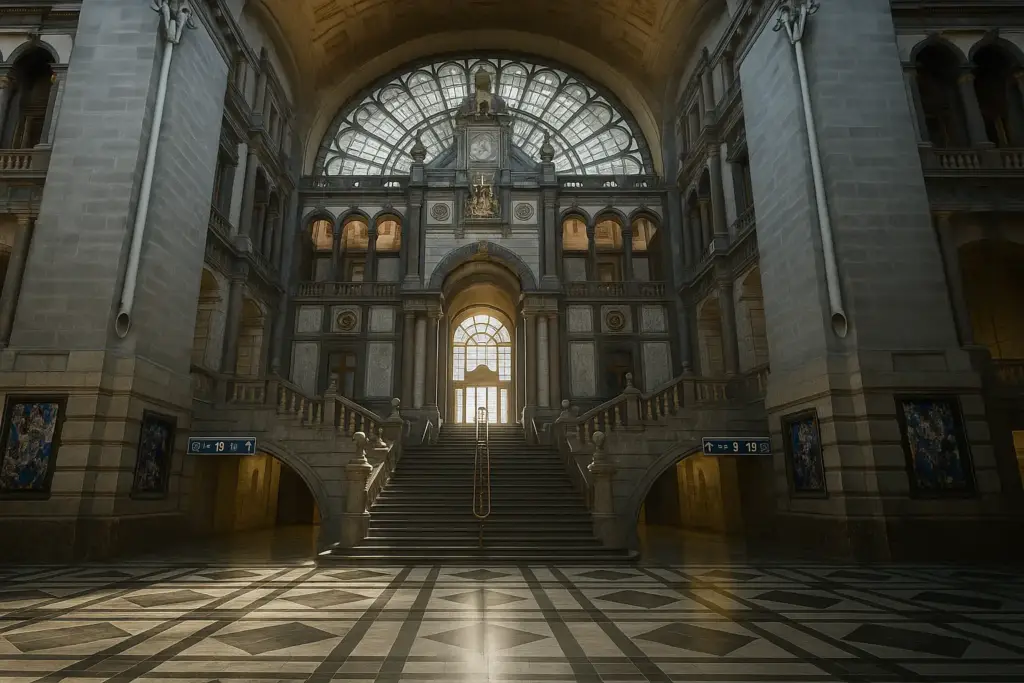
Antwerp Central Station, or Antwerpen-Centraal, opened in 1905 and remains one of the city’s great architectural set pieces. Louis Delacenserie designed the monumental station building, while engineer Clément Van Bogaert was responsible for the immense iron-and-glass train shed. The combination of historicist stonework, a domed hall and the later multilevel railway layout makes the station worth visiting in its own right.
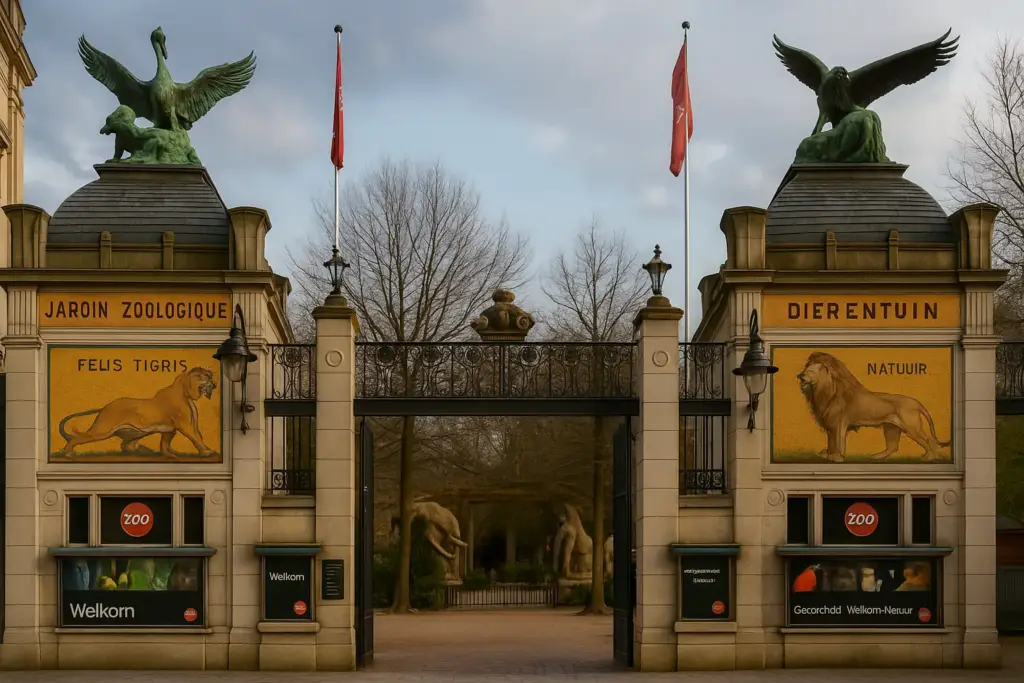
Antwerp Zoo opened in 1843, making it one of Europe’s oldest zoos. Its entrance beside Central Station makes it easy to combine with the station itself, while the grounds are also notable for their historic architecture. The animal collection, exhibits, conservation programme, admission and opening hours are all subject to change, so use current visitor information rather than relying on fixed figures.
A free walking tour is an easy way to connect the landmarks with the stories behind them. GuruWalk’s local guides cover Antwerp’s history, architecture and everyday culture, helping you make sense of the centre before exploring further on your own. Tour languages, schedules and availability change, so use the live listings below for current options.
Aléjate de la ruta común y descubre el lado oscuro de Amberes. Antiguas leyendas, historias espeluznantes y el Barrio Rojo:…

Chocolate!!! “It’s the most popular food in the world, that nobody knows about it”, said one of those researchers over…

Únete a nuestros Free Tours y explora el centro histórico de Amberes en compañía de nuestros experimentados y apasionados guía…
¡Prepárate para una emocionante aventura por el corazón de Amberes! Sumérgete en el fascinante casco antiguo, donde la arquite…

* Practical information—including opening hours, admission, restoration work, transport and event schedules—can change. This guide was adapted on 25 August 2026 from a Spanish source first published in November 2025. Always confirm current details with the relevant venue or local authority before visiting.
Tourism and travel expert with a strong background in creating cultural content. Fluent in multiple languages and experienced as a presenter, she connects with diverse audiences to inspire the exploration of unique destinations. Her creative and dynamic approach stands out in every project, conveying the essence of each place she discovers.
Local guides, pay-what-you-want and no credit card to book. That is how you understand a city.
Explore free tours on guruwalk.com