


Planning your first trip? This Berlin guide covers nine must-see landmarks, a realistic one-day route and practical tips for exploring the city.
 Julieta Betancor
GuruWalk
·
Updated 25 Aug 2026
Julieta Betancor
GuruWalk
·
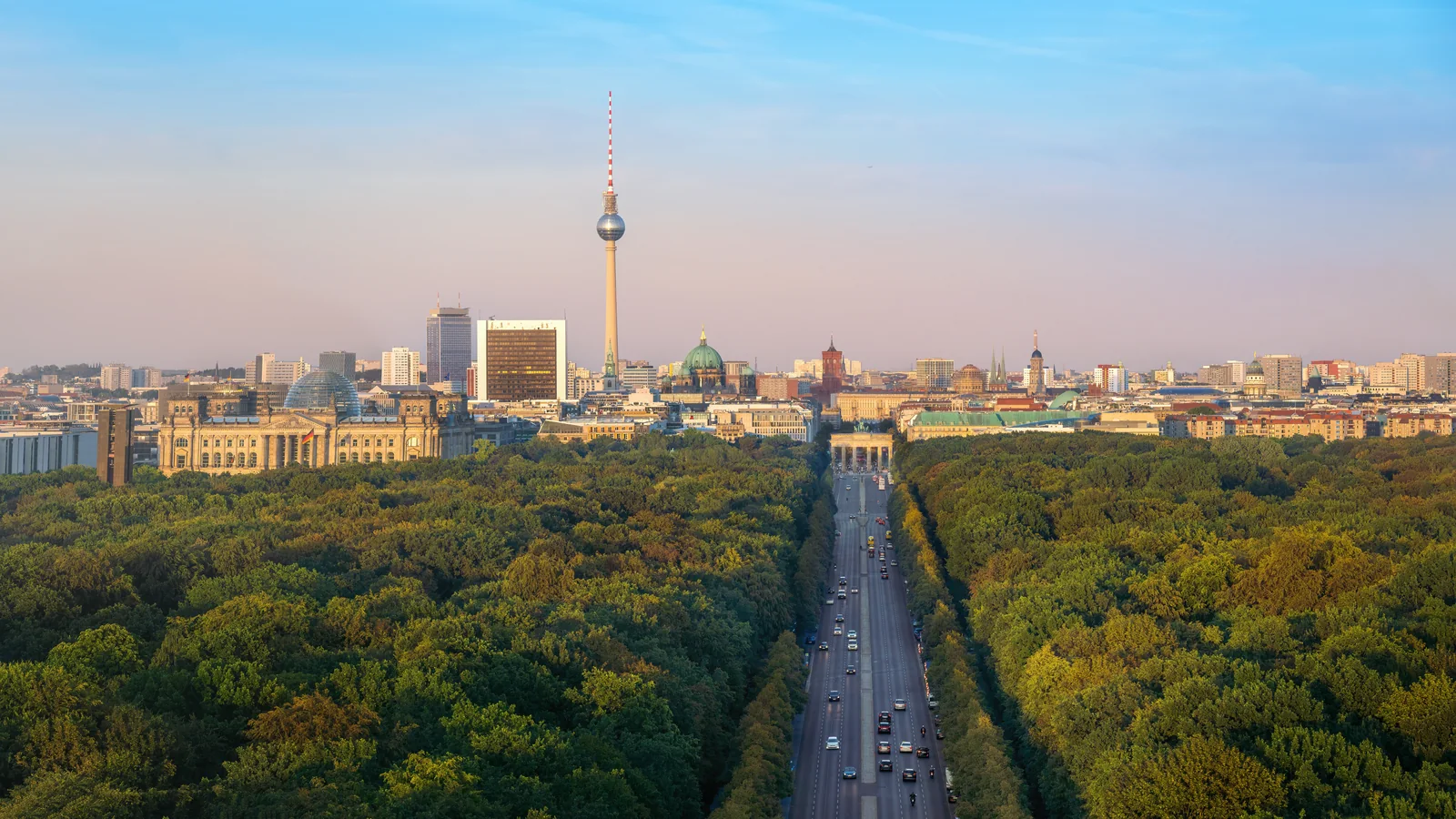
Updated 25 Aug 2026Berlin does not reveal itself all at once. Imperial landmarks, reminders of dictatorship and division, bold post-reunification architecture and a restless creative scene all share the same streets. If this is your first visit, these nine sights will give you a clear sense of the city — and a few practical tips will help you spend less time crossing Berlin unnecessarily.
Start at the Brandenburg Gate, then walk to the Reichstag. If you want to enter the glass dome, book a time slot in advance; admission is free, but registration is required. From there, continue to the Memorial to the Murdered Jews of Europe and allow yourself time to visit the underground Information Centre rather than treating the memorial as a photo stop.
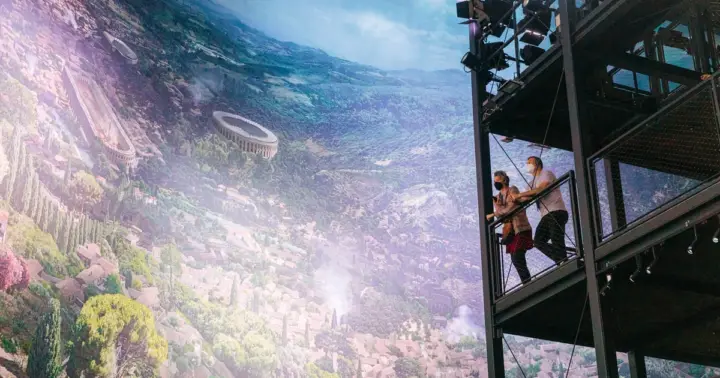
Follow Unter den Linden towards Museum Island and Berlin Cathedral. Choose one museum rather than trying to rush through several. As of 25 August 2026, the Pergamonmuseum is closed for renovation and is scheduled to reopen partly on 4 June 2027; nearby Pergamonmuseum. Das Panorama remains an alternative.
Walk or take the U-Bahn to Alexanderplatz, where the TV Tower makes an easy landmark. From there, travel east to the East Side Gallery for one of the most recognisable surviving sections of the Berlin Wall. If you still have energy, finish at Potsdamer Platz. Charlottenburg Palace sits farther west and deserves a separate half-day; squeezing it into the same afternoon turns a city visit into a transport challenge.
The Brandenburg Gate is Berlin’s best-known landmark and one of the most powerful symbols of German reunification. Carl Gotthard Langhans designed the neoclassical gateway in the late 18th century, drawing inspiration from the Propylaea of the Acropolis in Athens.
Twelve columns create five passageways beneath the gate. Above them stands Johann Gottfried Schadow’s Quadriga, depicting the goddess of victory driving a four-horse chariot. During the Cold War, the gate stood beside the Wall in an inaccessible border zone. After the Wall fell in 1989, it became an international image of a reunited Berlin.
Come early if you want to appreciate the proportions of the gate without the busiest crowds. Return after dark as well: the illuminated columns and Quadriga create a completely different atmosphere.
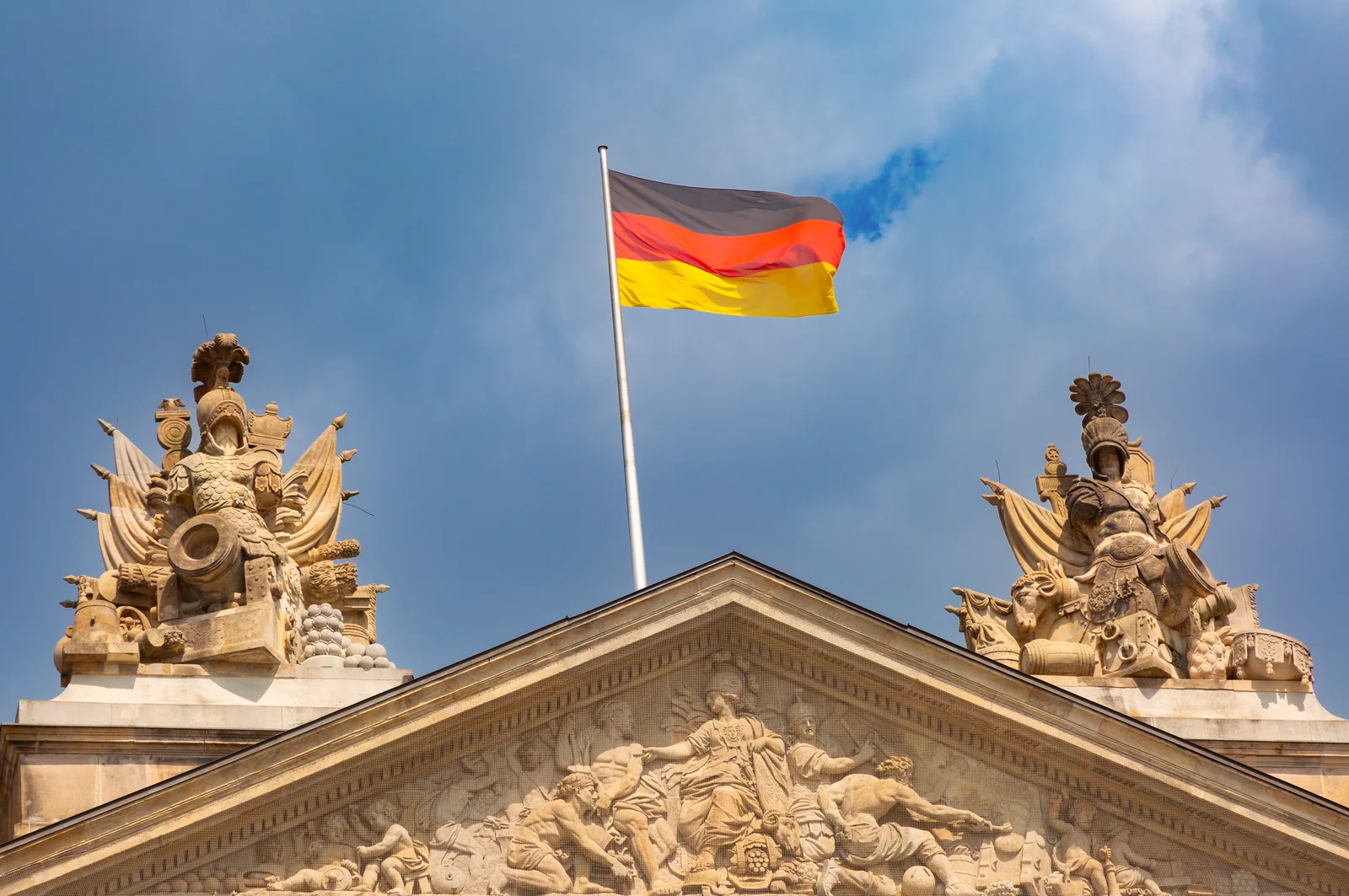
The Reichstag, home of the German Bundestag, condenses more than a century of political history into one building. Construction began in 1884 to Paul Wallot’s design. The 1933 fire became a turning point in Germany’s slide into dictatorship, and the building later suffered heavy damage during the Second World War.
Norman Foster’s restoration brought parliament back to the building in 1999. Its glass dome is both a panoramic viewpoint and an architectural statement: visitors can look down towards the debating chamber while daylight is directed into the building below.
Admission to the roof terrace and dome is free, but advance registration with the German Bundestag is required. Bring the identification requested in your confirmation. Maintenance closures and access conditions change, so check the official page shortly before your visit.
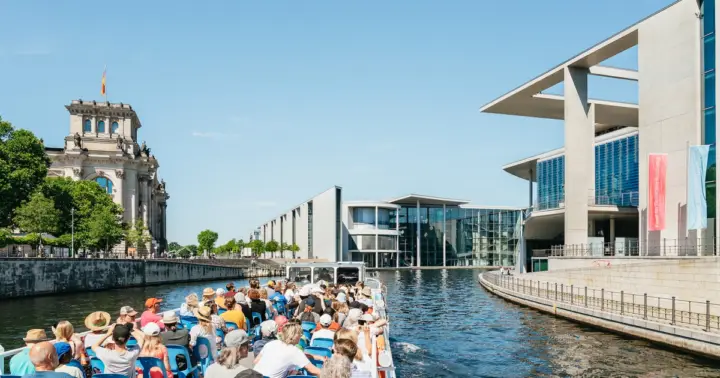
Set between the River Spree and the Kupfergraben, Museum Island is a UNESCO World Heritage ensemble of five historic museum buildings: the Altes Museum, Neues Museum, Alte Nationalgalerie, Bode-Museum and Pergamonmuseum.
At the time of this translation, the Pergamonmuseum is completely closed for major renovation. A substantial section is due to reopen on 4 June 2027, while other areas will remain closed for longer. Check the official Pergamonmuseum visitor information before planning your day. For an overview of the collections that are currently accessible, use the Museum Island buildings and collections guide.
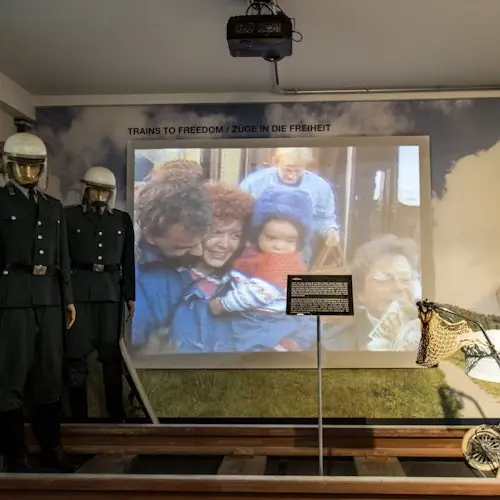
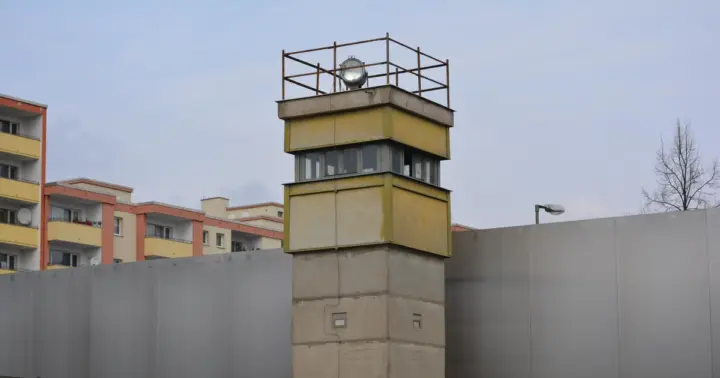
From 1961 to 1989, the Berlin Wall divided the city and became one of the defining structures of the Cold War. Most of it disappeared after the border opened, but several sites preserve different parts of the story.
The East Side Gallery stretches for 1,316 metres beside the Spree. In 1990, 118 artists from 21 countries transformed this surviving section into an open-air gallery. More than 100 works respond to the political changes of 1989–90, including Dmitri Vrubel’s famous fraternal kiss and Birgit Kinder’s Trabant breaking through the Wall.
For a deeper understanding of the border system and the people affected by it, pair the colourful gallery with the Berlin Wall Memorial on Bernauer Strasse. The contrast between the two sites is valuable: one focuses on artistic responses to freedom, the other on the physical machinery of division and individual attempts to escape.
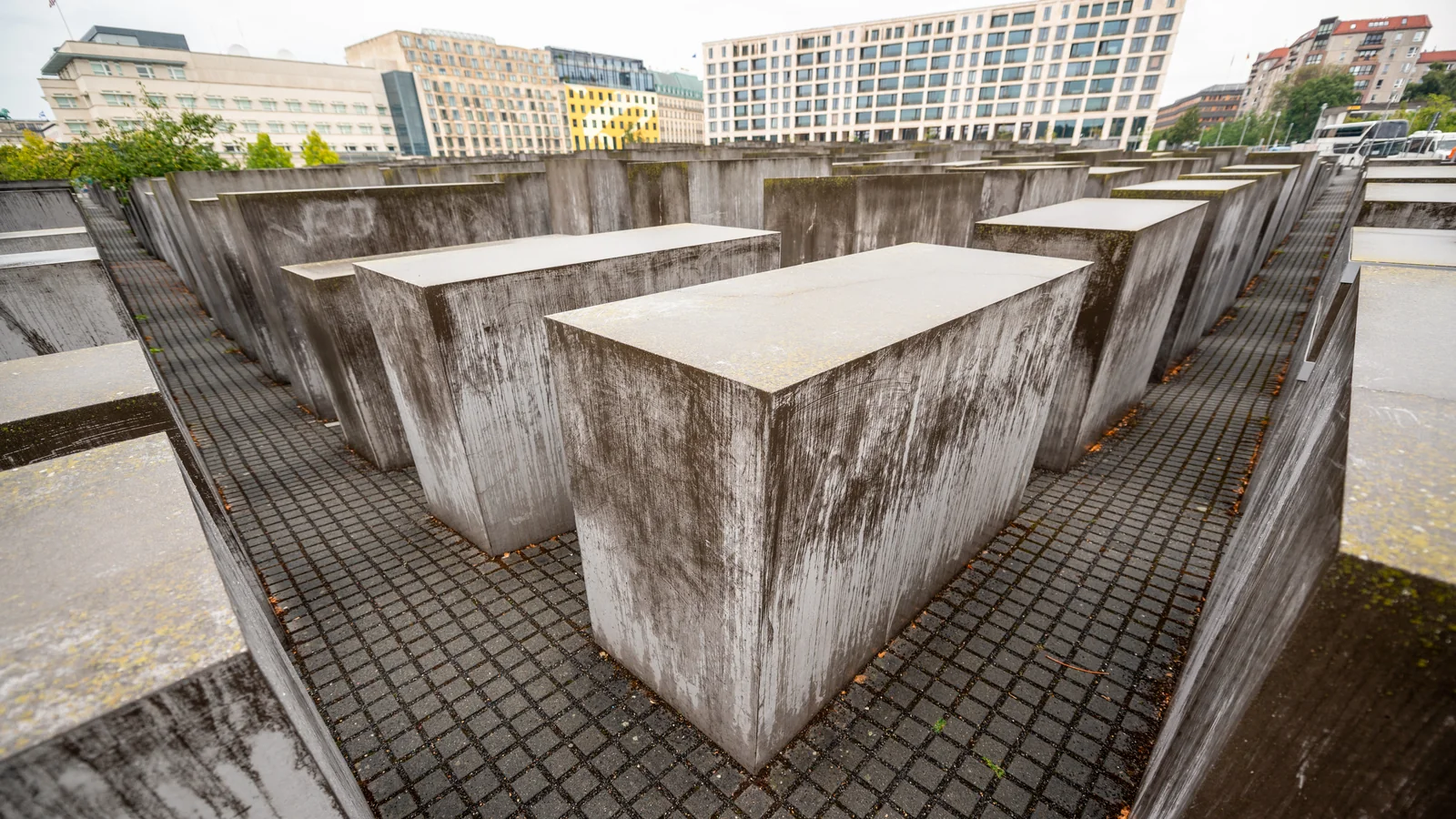
Close to the Brandenburg Gate, the Memorial to the Murdered Jews of Europe is Germany’s central Holocaust memorial. Peter Eisenman’s field of roughly 2,700 concrete stelae opens onto paths that rise and fall, changing your sense of scale and orientation as you move through them.
The memorial opened in 2005 and commemorates the up to six million Jewish victims of the Holocaust. Beneath the field, the Information Centre traces persecution through documents, family histories and individual names. Admission is free; check the memorial’s official visitor information for current exhibition access.
This is a place of remembrance, not a backdrop. Move quietly, do not climb or jump between the stelae, and leave enough time for the Information Centre if it is open during your visit.
Alexanderplatz is not Berlin’s prettiest square, but it is one of its most useful and revealing. Trains, U-Bahn lines and trams converge here, while architecture from the former East Berlin sits beside shops, hotels and newer developments.
The unmistakable landmark is the Berlin TV Tower. At 368 metres, it is the tallest building in Germany, with a viewing platform and rotating restaurant above the city. At ground level, look for the Weltzeituhr, the World Clock that displays the time in 146 international locations.
Berlin Cathedral, or Berliner Dom, was built between 1894 and 1905. Its monumental dome, mosaics, gilded details and sculptural decoration combine Italian Renaissance references with the grand theatricality of late-19th-century architecture.
The church was badly damaged during the Second World War and restored over the following decades. Inside, the historic Sauer organ remains central to the cathedral’s strong musical tradition. Visitors who climb the 270 steps to the dome’s outer walkway are rewarded with broad views across Museum Island and central Berlin.
Religious services, concerts and special events can affect sightseeing access. Check the current Berlin Cathedral visitor information before setting out.
Potsdamer Platz tells the story of Berlin’s physical reinvention. A major commercial and entertainment district before the Second World War, it was devastated by bombing and later cut through by the Wall. After reunification, international architects helped turn the empty border zone into a dense new quarter.
The tent-roof complex long known as the Sony Center is now called the Center at Potsdamer Platz. Its steel-and-glass architecture still defines the area, alongside cinemas, restaurants and entertainment spaces. Nearby, the Panoramapunkt viewpoint offers a useful way to read Berlin’s skyline and the traces of the former border from above.
The Berlinale remains closely associated with Potsdamer Platz, although festival venues and programmes can change. Check the current edition rather than planning around an old schedule. The official Potsdamer Platz overview reflects the district’s latest names and attractions.
Charlottenburg Palace began as a summer residence built from 1695 to 1699 for Sophie Charlotte, Electress of Brandenburg. Later Hohenzollern rulers expanded the complex, leaving Baroque state rooms, royal apartments and Rococo interiors that chart changing tastes at the Prussian court.
Highlights include the Porcelain Cabinet in the Old Palace and the White Hall and Golden Gallery in the New Wing. Outside, the formal garden opens into a larger landscaped park beside the River Spree, making the palace an appealing change of pace from central Berlin.
The Old Palace and New Wing have separate visit options, and opening days, timed-entry rules and temporary closures can vary. Review the official Charlottenburg Palace information before travelling west.
Berlin’s landmarks make more sense when someone connects the imperial city, Nazi dictatorship, Cold War division and the creative capital you see today. A free walking tour is an easy way to get oriented at the start of your trip, ask a local guide questions and decide which places deserve a longer return visit.
Booking is free and no credit card is required. At the end of the tour, you choose what the experience was worth and tip the guide accordingly.
Tourism and travel expert with a strong background in creating cultural content. Fluent in multiple languages and experienced as a presenter, she connects with diverse audiences to inspire the exploration of unique destinations. Her creative and dynamic approach stands out in every project, conveying the essence of each place she discovers.
Local guides, pay-what-you-want and no credit card to book. That is how you understand a city.
Explore free tours on guruwalk.com