

Walk through Bruges in one day, connecting Markt Square, the Belfry, canals, Bonifacius Bridge, the Beguinage and Kruisvest windmills.
 Julieta Betancor
GuruWalk
·
Updated 27 Aug 2026
Julieta Betancor
GuruWalk
·
Updated 27 Aug 2026Bruges is compact enough to explore on foot, but its canals, medieval streets and museums reward more than a quick photo stop. This guide brings together the essential places for a first visit and arranges them into a practical one-day route.
If you want the city’s history to make sense from the start, join a free walking tour in Bruges with GuruWalk. A local guide can connect the squares, canals and trading history, then point you towards the places worth revisiting at your own pace.
Information checked in May 2026: opening hours, admission rules, boat services and seasonal access can change. Check the official attraction pages shortly before your visit.
Bruges is often called the Venice of the North, but the city has a character of its own: stepped-gable houses, cobbled lanes, church towers and a network of waterways shaped by centuries of trade. The historic centre is compact, so one well-planned day covers the main sights without turning the visit into a race.
Start on Markt Square, where the colourful guild houses and the Belfry immediately establish the scale of medieval Bruges. If you plan to climb the tower, go early and check ticket availability before arrival: the 366-step ascent takes energy and can be busy.
Continue towards the canals and pause at Bonifacius Bridge, one of the most atmospheric viewpoints near Arentshof. From there, visit the Church of Our Lady, home to Michelangelo’s Madonna and Child.
After lunch, choose the Groeningemuseum if Flemish art is a priority, then walk to the Basilica of the Holy Blood. Its two chapels feel very different and show how the building evolved over time.
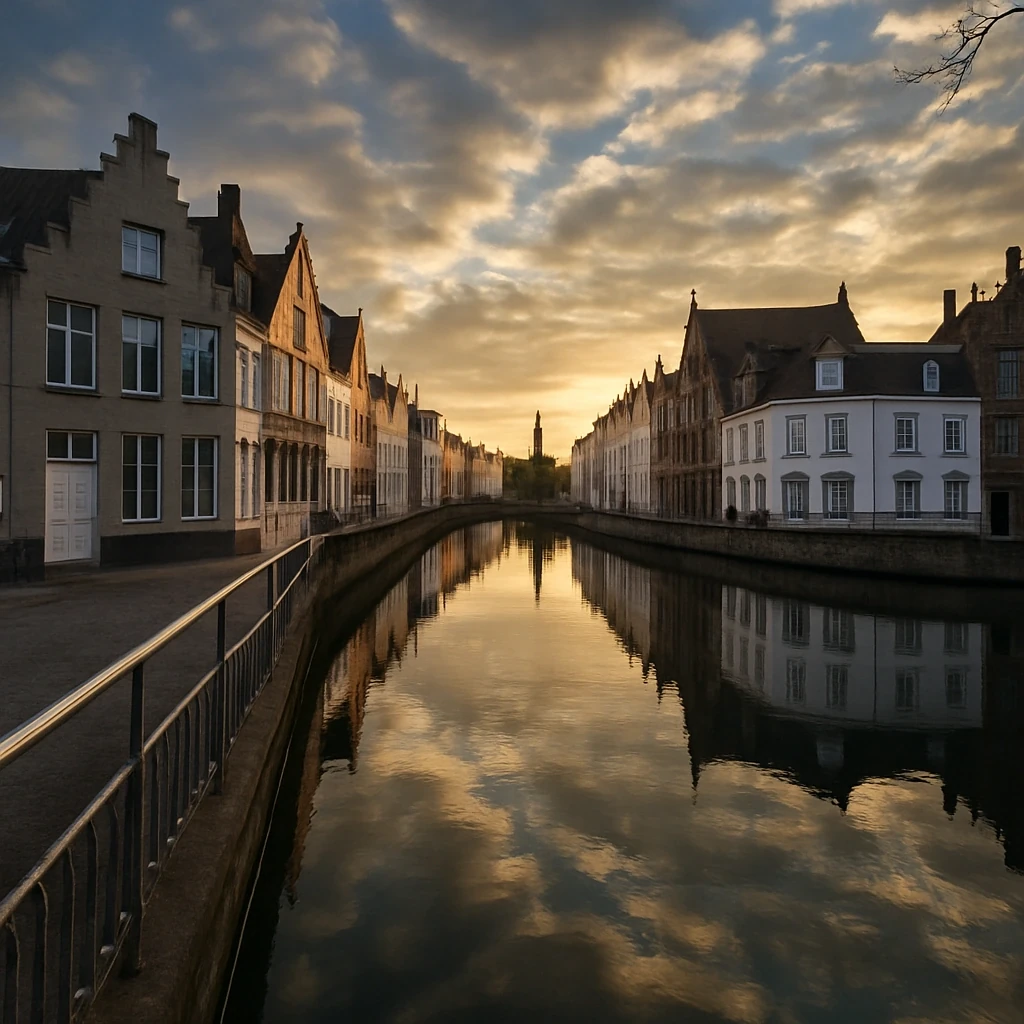
Finish at the Beguinage for a calmer side of the city. If daylight and energy allow, extend the walk to the Kruisvest windmills along the old ramparts. Return to Markt around dusk, when the day crowds begin to thin and the façades take on a softer light.
Markt is the natural starting point for a first visit. The square is framed by stepped façades, former guild houses, cafés and some of Bruges’ most recognisable civic architecture. The Belfry dominates one side, recalling the period when the city was a major commercial centre in medieval Europe.
Take a few minutes to look beyond the tower. The changing rooflines, statues and details on the façades explain why the square works better as a place to linger than as a simple meeting point. It is also a useful junction for routes towards Burg Square, the canals and the museum quarter.

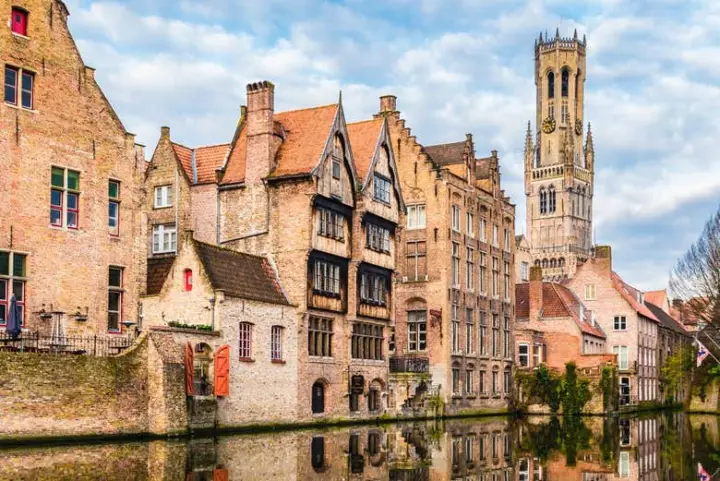
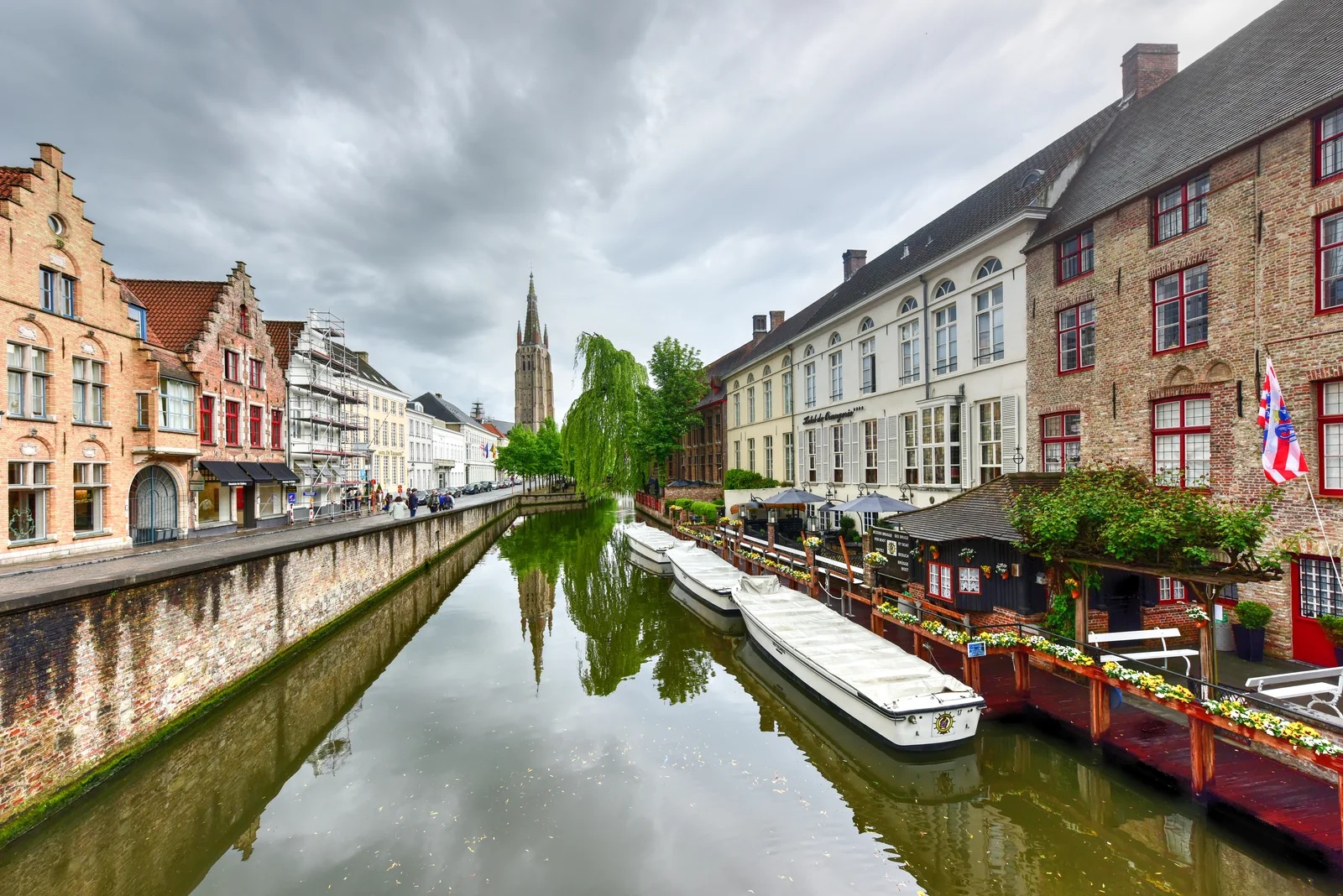
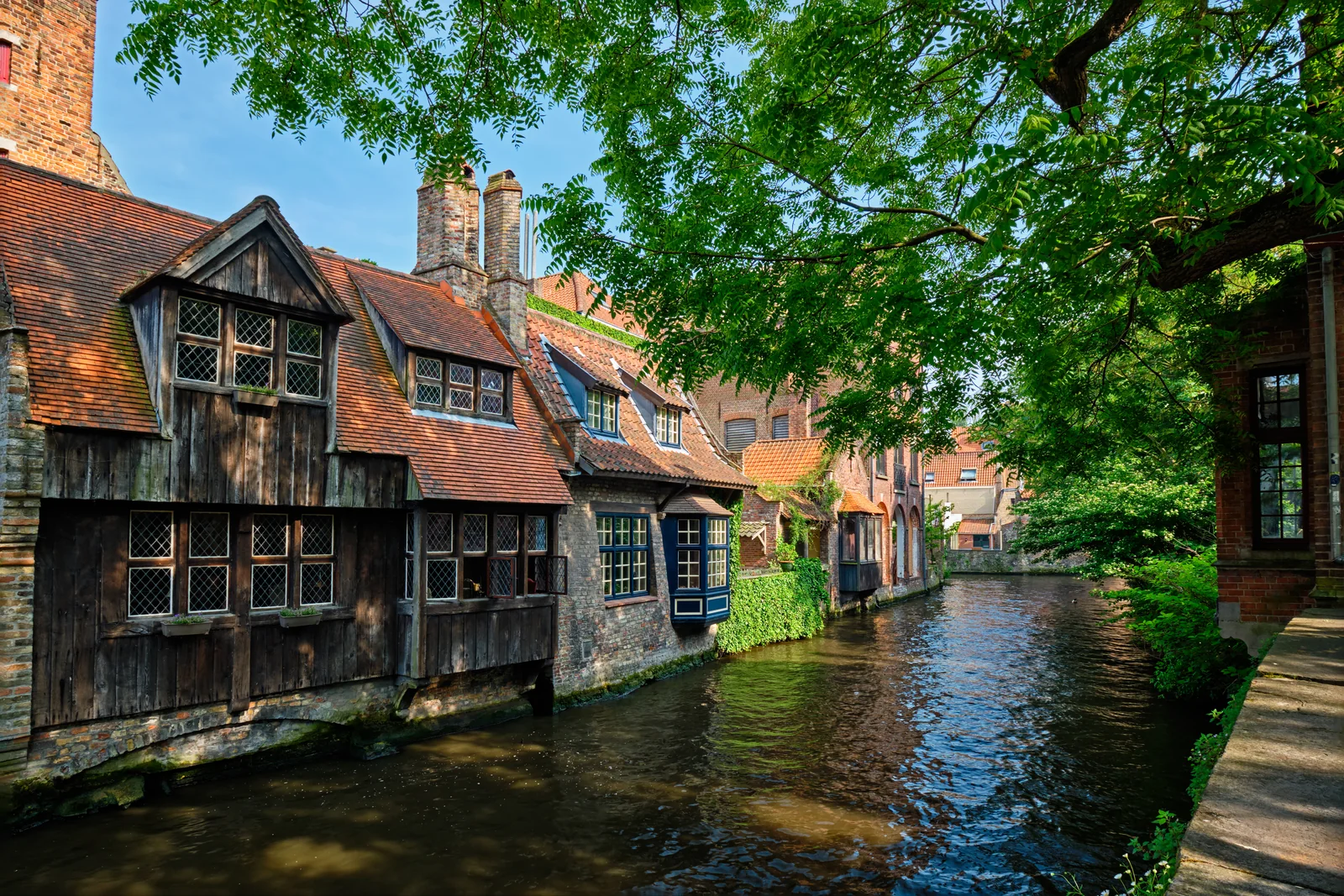
The waterways known locally as reien run through the UNESCO-listed historic centre of Bruges. Gothic and Renaissance façades line the banks, while bridges reveal new views every few streets.
The canals were closely tied to the city’s rise as a trading centre. A sea inlet created after a storm in 1134 helped connect Bruges to the North Sea through the Zwin, supporting the movement of goods and people during the city’s commercial heyday.
A boat trip gives a different perspective from the water, but routes, operating periods, queues and departures are seasonal. Walking beside the canals is worthwhile in its own right and makes it easier to stop at quieter corners away from the busiest boarding points.
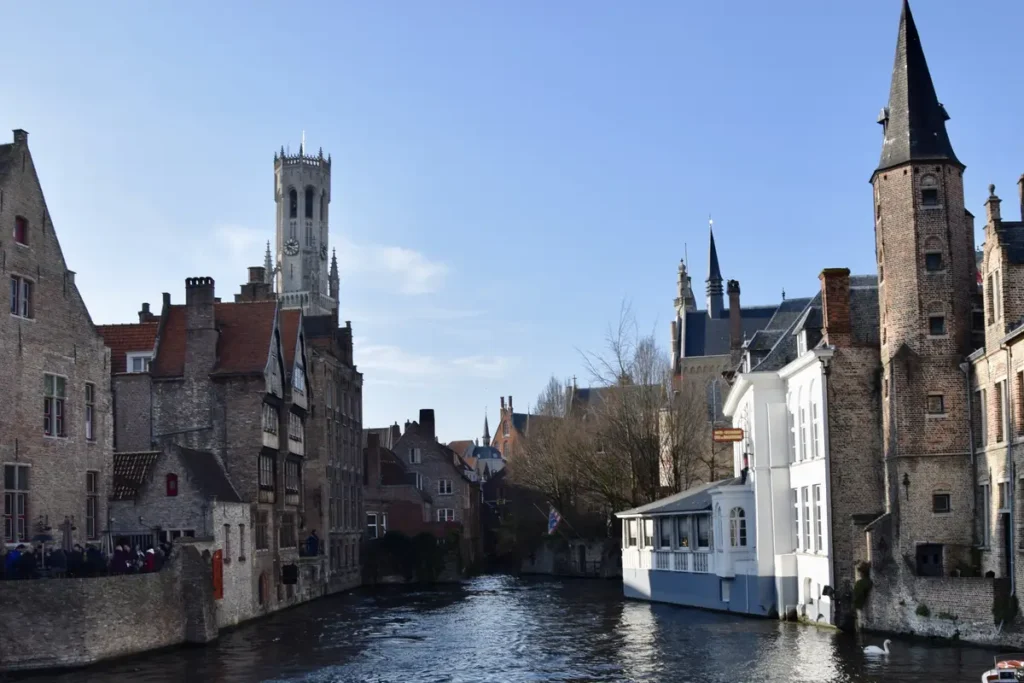
The Belfry rises 83 metres above Markt. Built and altered between the 13th and 15th centuries, it was connected with the city’s trade, municipal records, public announcements and watch over the surrounding streets.
Its carillon has 47 bells, and the climb to the top involves 366 increasingly narrow steps. The view reveals the compact pattern of the historic centre, but the ascent is physically demanding. Confirm current access arrangements and availability before building the rest of your day around it.
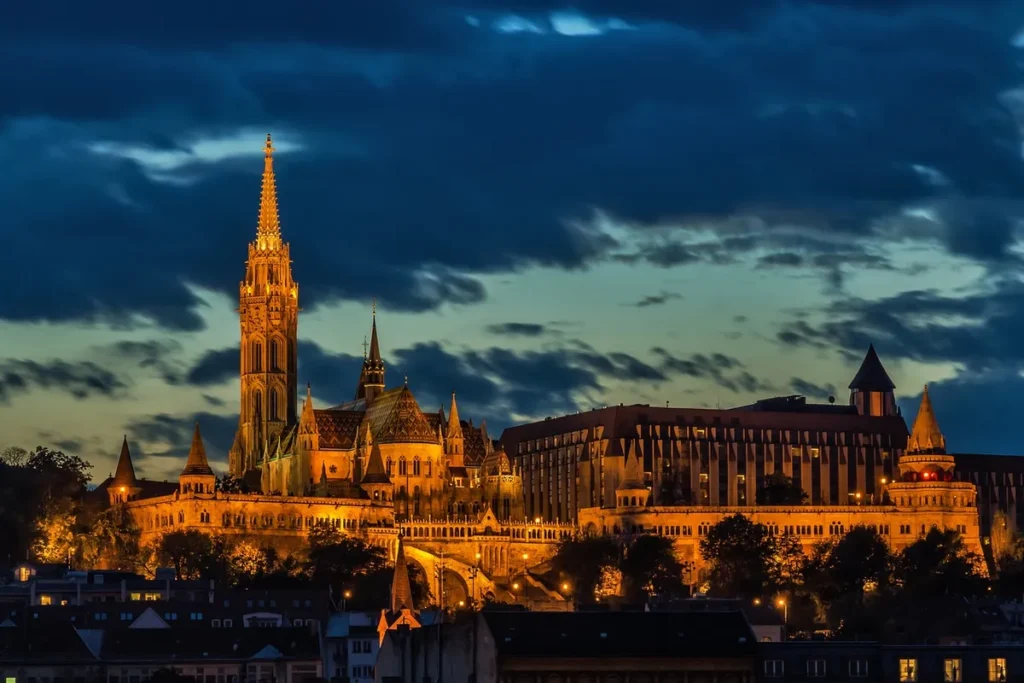
The Church of Our Lady is one of Bruges’ great Gothic landmarks. Its best-known work is Michelangelo’s marble Madonna and Child, one of the relatively few sculptures by the artist that left Italy during his lifetime.
The church also contains chapels, altars and the tombs of Mary of Burgundy and Charles the Bold. Parts of the building may have different access conditions, so check the current visitor information if seeing the sculpture or the museum section is central to your plans.

The Groeningemuseum is the strongest choice in Bruges for anyone interested in Flemish art. Its collection includes works associated with Jan van Eyck, Hans Memling and other artists who shaped the visual culture of the Low Countries, alongside later Belgian art.
The museum stands near the Dijver in a 1930 Art Deco building designed by Joseph Viérin. Consult the official Groeningemuseum visitor page for current opening hours, temporary closures, exhibitions and ticket conditions.
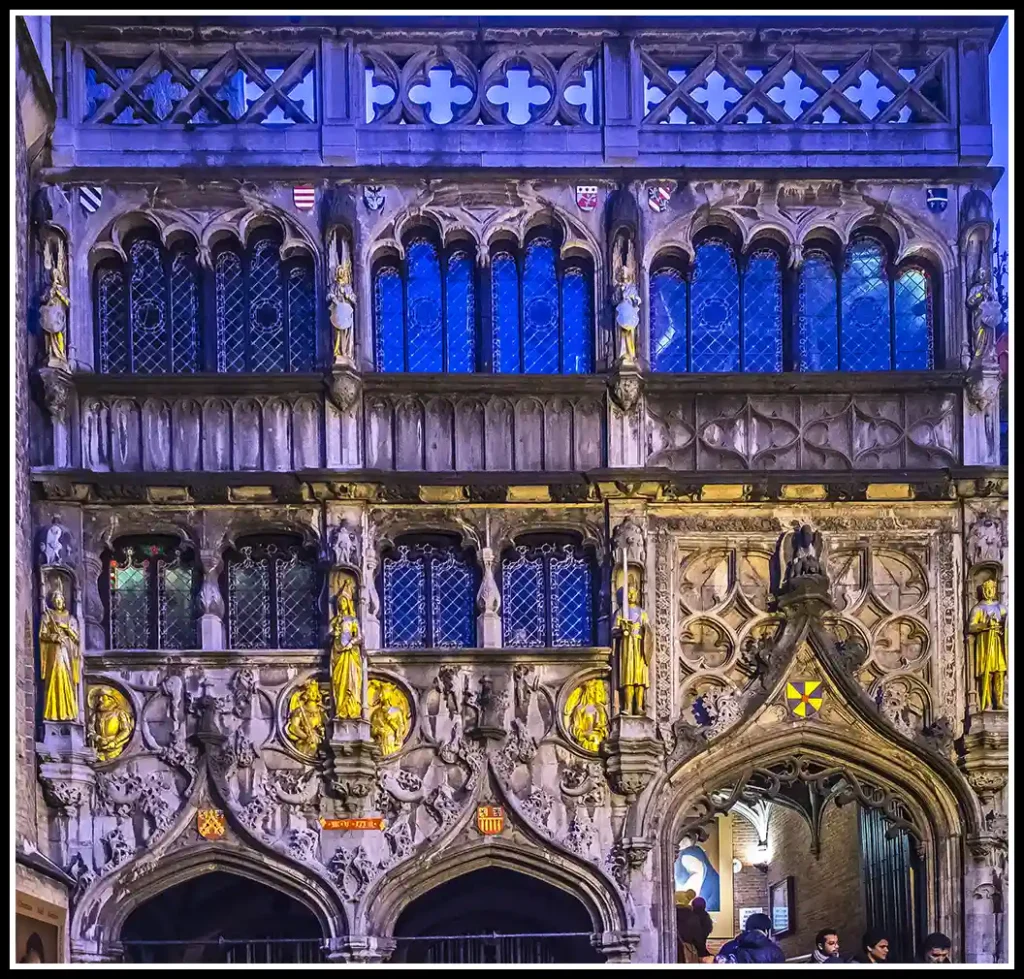
The Basilica of the Holy Blood is traditionally associated with a relic believed to contain the blood of Christ. Set on Burg Square, the building combines a sober Romanesque lower chapel with a more richly decorated upper chapel whose appearance is largely Gothic Revival.
This is an active religious site rather than only a monument. Visit quietly, respect services and confirm any exceptional closures or changes to relic-veneration times before going.

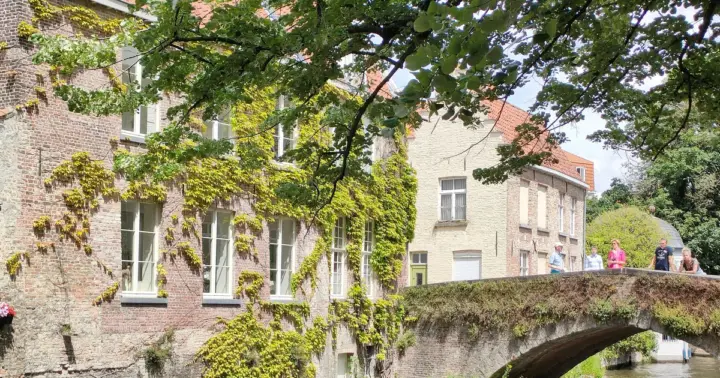
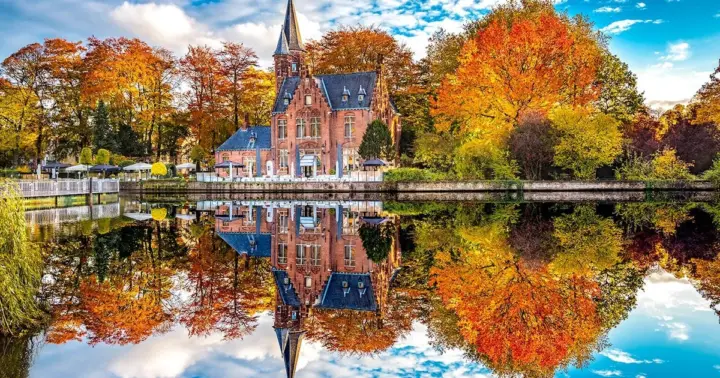
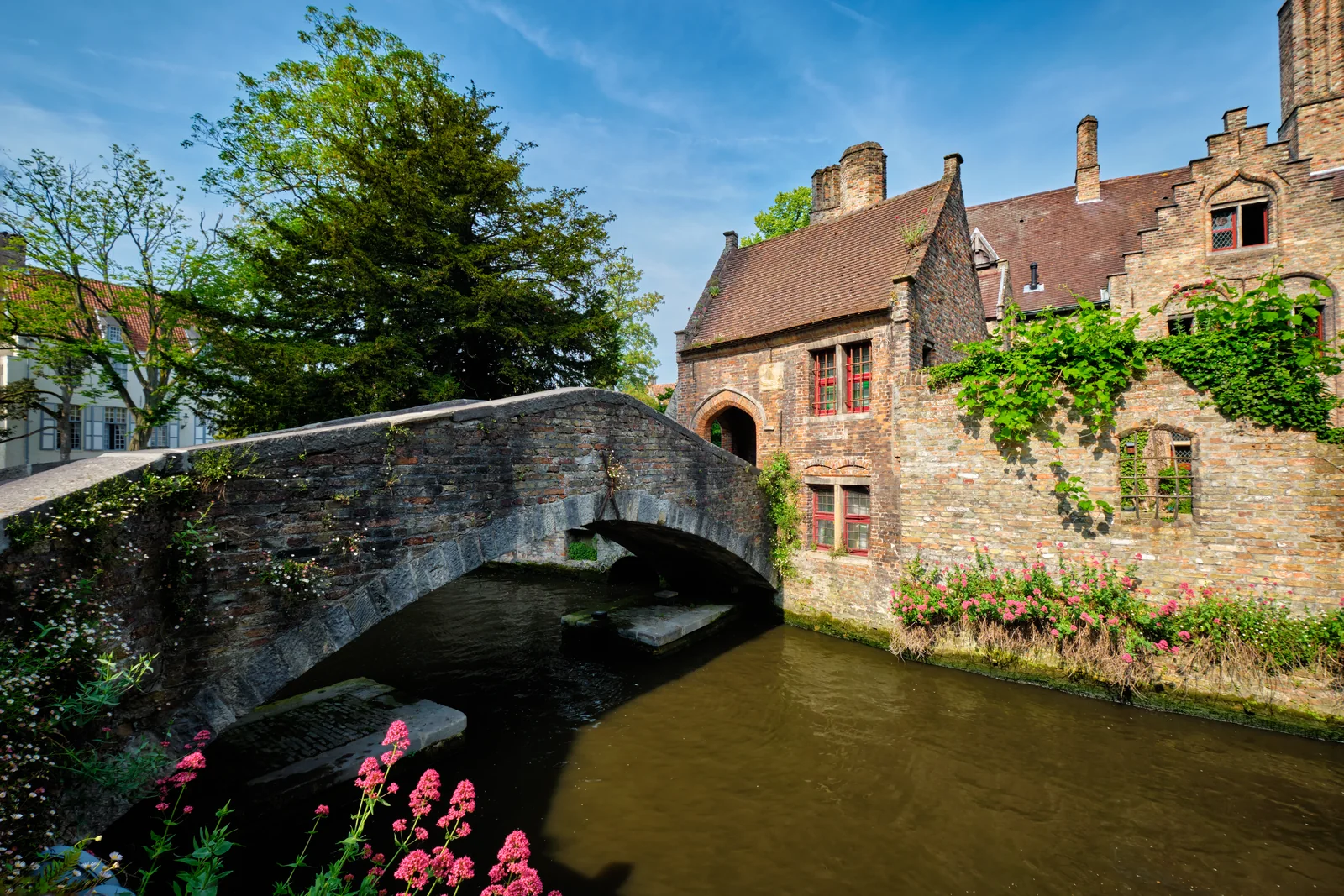
Bonifacius Bridge crosses a narrow arm of the Reie near Arentshof and the Church of Our Lady. Although its medieval-looking design fits the surroundings, the bridge dates from the early 20th century, around 1910.
Its appeal lies in the setting: water, brick façades, mature trees and framed views towards nearby historic buildings. It is a popular photo stop, so early morning is the best time for a quieter atmosphere.

The Kruisvest windmills stand on the green belt that follows part of Bruges’ former ramparts. Historic mills such as Sint-Janshuismolen, dating from 1770, and Koeleweimolen give this edge of the city a more open, local feel than the streets around Markt.
The ramparts are pleasant for a walk at any time, but mill interiors operate seasonally and may close because of weather or maintenance. Treat access as a bonus and come for the landscape, heritage and broad views.
For soft light and fewer people, walk the Kruisvest early in the morning or towards sunset. The route works well even when the mills themselves are closed.
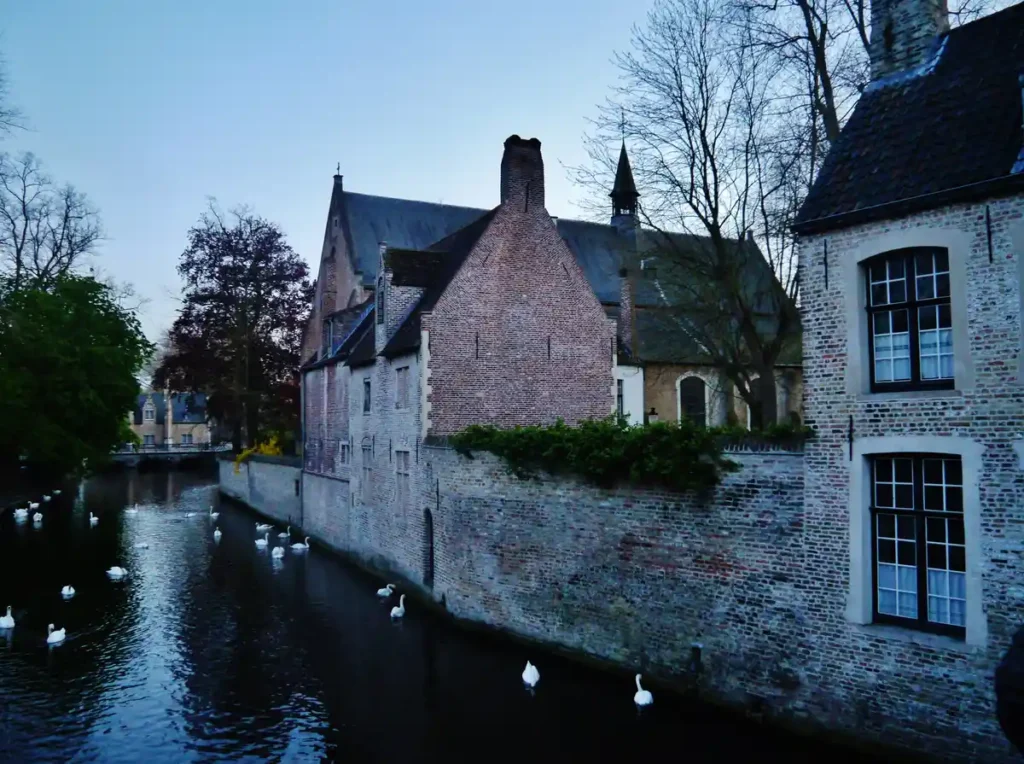
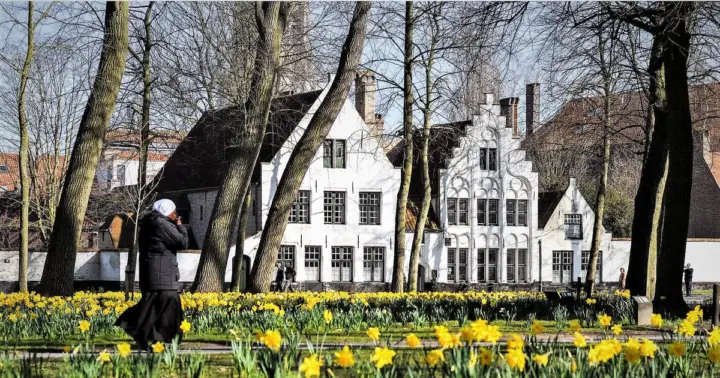
The Princely Beguinage Ten Wijngaarde was founded in the 13th century for beguines: lay religious women who lived in community without taking the same permanent vows as nuns. Its white houses, enclosed green and canal create one of the calmest settings in central Bruges.
The site forms part of the Flemish Béguinages recognised by UNESCO. Today its history is best understood with respect for its quiet atmosphere and present-day religious life, rather than as a picturesque backdrop alone.
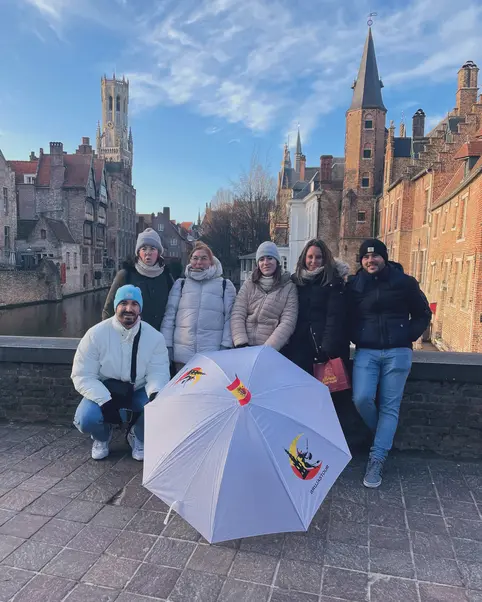
A free walking tour is an efficient way to connect Markt, Burg Square, the canals and Bruges’ trading history before exploring museums and churches independently. Tour languages, departure times, ratings and availability change frequently, so use the live listing rather than relying on a static schedule.
See current options and book without a credit card on GuruWalk’s Bruges page.
For a first visit, prioritise Markt Square, the Belfry, the canals, the Church of Our Lady, the Basilica of the Holy Blood and the Beguinage.
Walk along several stretches first, especially around Dijver, Rozenhoedkaai and the museum quarter. A boat trip adds a water-level view, but services and queues vary by season and weather.
Yes. Most central sights are within a compact area, although cobbles, bridges and the Belfry’s stairs can be challenging for some visitors. The Kruisvest windmills are farther from Markt but still reachable on foot.
Chocolate, lace and Belgian beer are the best-known choices. Look for specialist local shops and check packaging or transport restrictions if you are flying home.
Bonifacius Bridge, the canals, Markt and the Kruisvest windmills all offer distinctive views. Early morning usually gives the quietest streets and the least crowded bridges.
Tourism and travel expert with a strong background in creating cultural content. Fluent in multiple languages and experienced as a presenter, she connects with diverse audiences to inspire the exploration of unique destinations. Her creative and dynamic approach stands out in every project, conveying the essence of each place she discovers.
Local guides, pay-what-you-want and no credit card to book. That is how you understand a city.
Explore free tours on guruwalk.com