

Plan one day in Buenos Aires around Plaza de Mayo, Avenida de Mayo, the Obelisk, Teatro Colón and one afternoon neighbourhood.
 Julieta Betancor
GuruWalk
·
Updated 27 Aug 2026
Julieta Betancor
GuruWalk
·
Updated 27 Aug 2026Buenos Aires rewards curiosity. Tango, football, grand civic buildings and neighbourhood life all share the same streets, but the city is far too spread out to treat as a checklist. This guide starts with a realistic one-day route through the historic centre, then gives you the landmarks and neighbourhoods worth adding when you have more time.
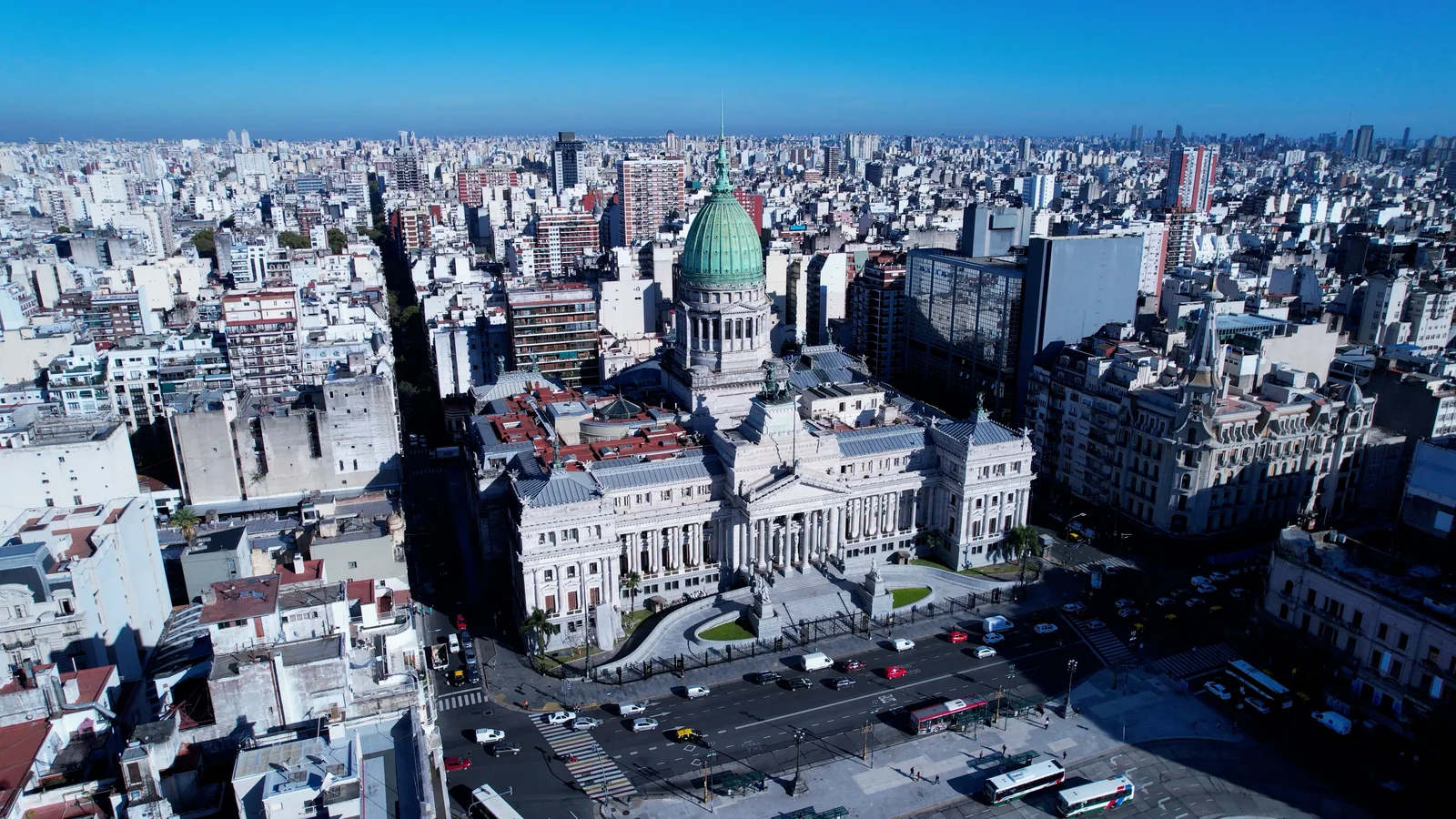
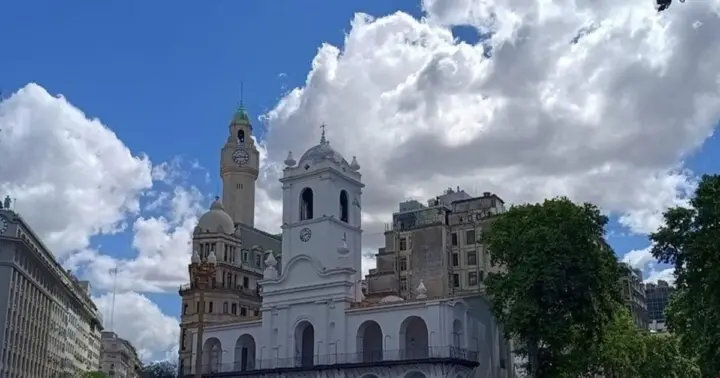
If you only have one day, focus on the centre instead of racing between every sight in this guide. Begin at Plaza de Mayo, where the Casa Rosada, the Cabildo and the Metropolitan Cathedral frame Argentina’s political heart. From there, walk along Avenida de Mayo towards Congress, stopping to admire the Palacio Barolo.
After Plaza de Mayo and Avenida de Mayo, continue to the Obelisk at Avenida Corrientes and 9 de Julio. The Teatro Colón is a short walk away. A guided theatre visit takes extra time, so book ahead or save the interior for another day.
For history and atmosphere, head south to San Telmo and then choose between La Boca or a waterside walk in Puerto Madero. For art, architecture and green space, go north instead: visit the Recoleta Cemetery or the National Museum of Fine Arts, then finish in Palermo. Trying to cover both north and south in the same afternoon leaves little time to enjoy either.
A free walking tour in Buenos Aires is an easy way to understand the centre before exploring independently. GuruWalk bookings require no upfront payment or credit card; after the tour, you tip the guide according to your experience.
The pink façade of the Casa Rosada is one of the defining images of Buenos Aires. The presidential offices stand on the site of the former Spanish fort, and the building has witnessed speeches, demonstrations and celebrations that shaped modern Argentina.
The separate Museo Casa Rosada explores Argentine political history. When checked on 25 August 2026, the official site listed Wednesday–Sunday opening from 11:00 to 18:00, with last entry at 17:30. Opening times and access conditions can change, so confirm them before visiting.

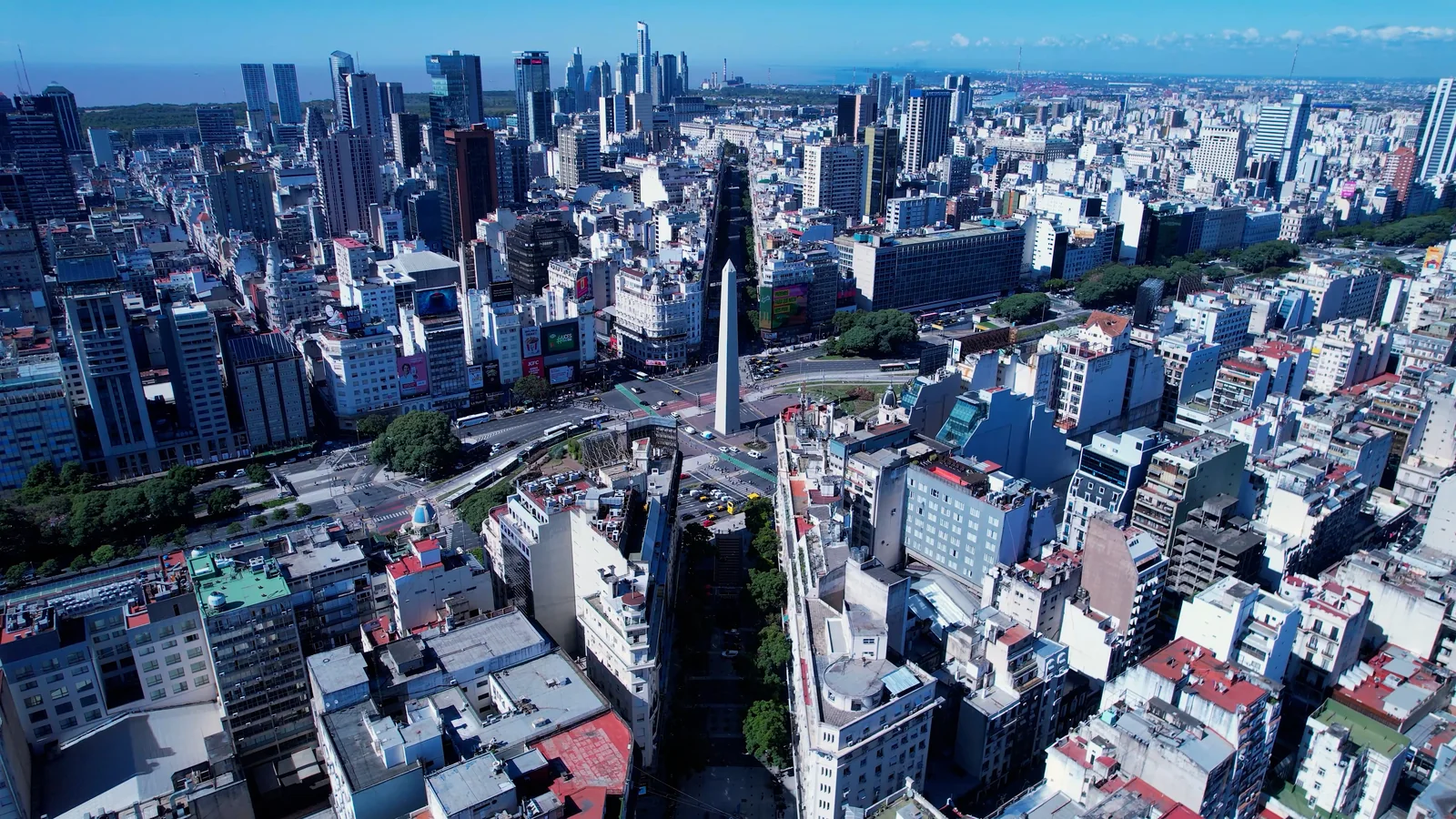
The Obelisk rises 67.5 metres above Plaza de la República, where Avenida Corrientes crosses Avenida 9 de Julio. Designed by Alberto Prebisch and completed in 1936, it commemorated 400 years since the city’s first foundation. The interior viewing platform is not normally open to the public, but the monument is a natural meeting point and one of the city’s best-known photo stops.
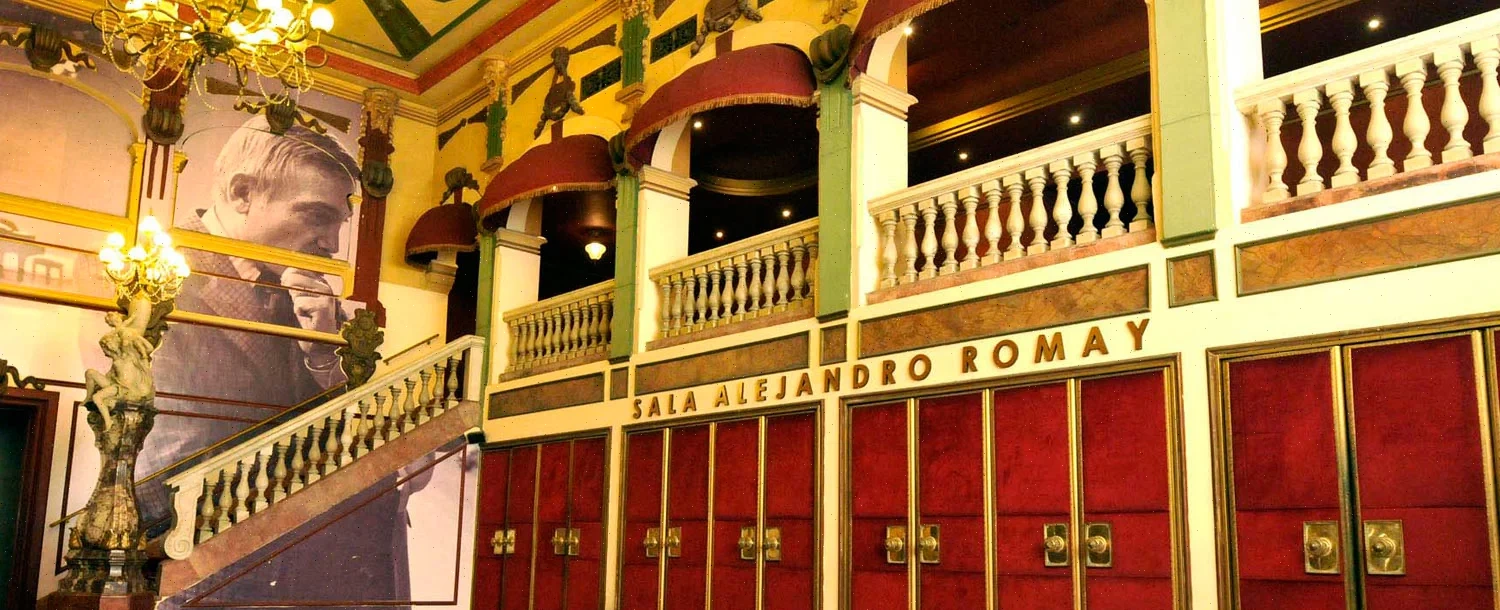
Opened in 1908, the Teatro Colón is celebrated for both its acoustics and its eclectic interior. Its main auditorium holds roughly 2,400 people, while the foyer, Golden Hall and galleries reveal the scale and craftsmanship of the building away from the stage.
Guided-tour schedules, languages, prices and concessions are operational details. The official theatre page listed daily tours when checked on 25 August 2026, but performances, rehearsals and maintenance can alter the route. Check the official page before booking.

Recoleta Cemetery opened in 1822 and feels like a compact city of stone. Its mausoleums range from neoclassical temples to Art Deco monuments, making it as rewarding for architecture as for history. Eva Perón and former president Domingo Faustino Sarmiento are among the best-known figures buried here.

San Telmo is one of the best places to feel the older rhythms of Buenos Aires. Antique shops, traditional bars, art spaces and milongas fill streets lined with low historic buildings. On Sundays, the San Telmo fair spreads around Plaza Dorrego with antiques, crafts and street performances; the event is popular, so expect more people than on a weekday.
The National Historical Museum and the Buenos Aires Museum of Modern Art add two very different cultural stops nearby. If you want to understand the neighbourhood rather than simply photograph it, allow at least half a day.

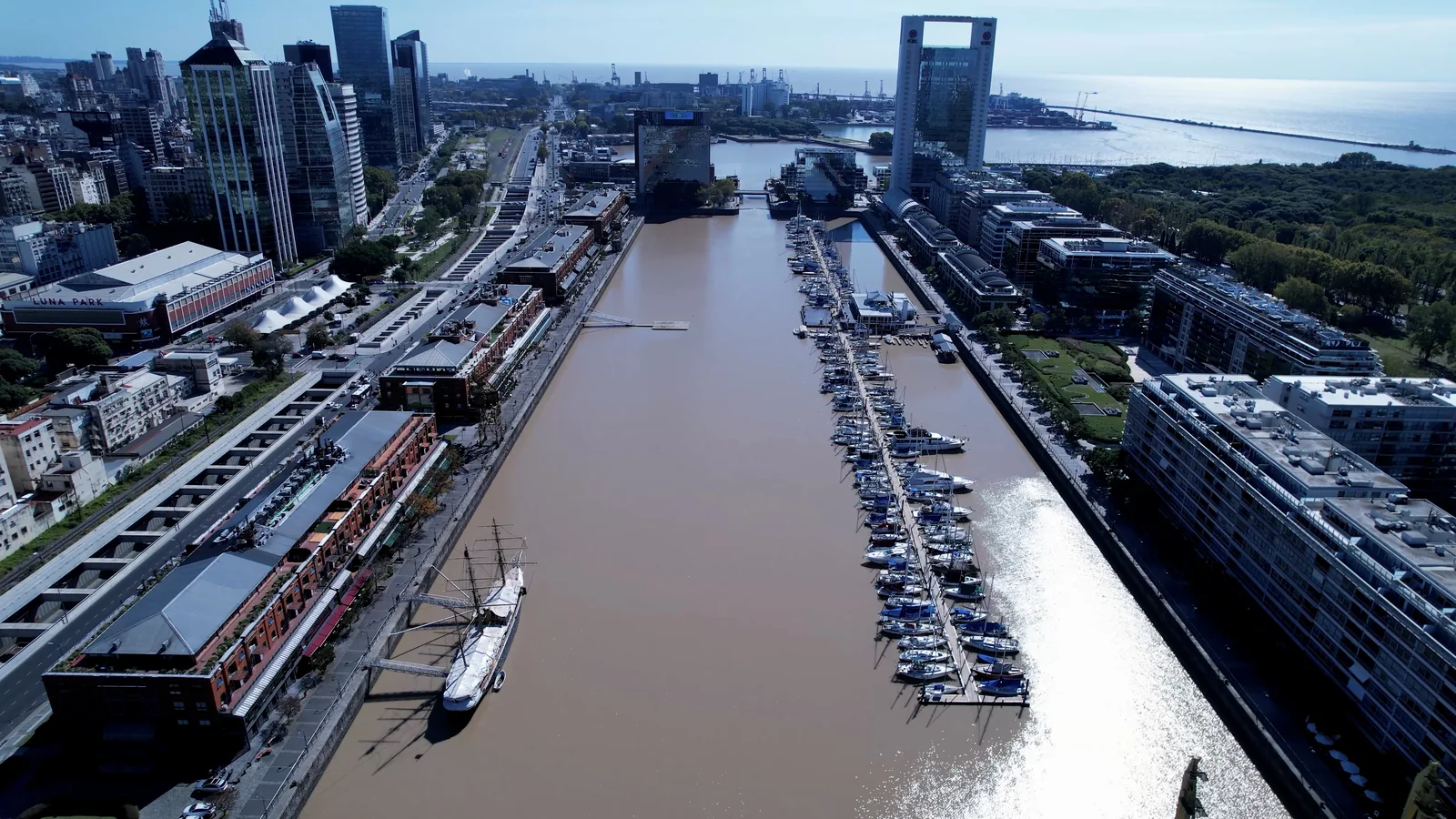
Puerto Madero transformed disused brick docks into a modern waterfront of offices, restaurants, homes and public promenades. The Puente de la Mujer is its visual landmark, while the paths beside the docks are well suited to an easy walk or cycle.
The nearby Costanera Sur Ecological Reserve uses seasonal opening hours and closes during heavy rain or strong winds. Check the official city page on the day of your visit, and bring water, sun protection and insect repellent.

Plaza de Mayo is the civic heart of the Argentine capital. The Pirámide de Mayo at its centre recalls the revolution of 1810, while the Casa Rosada, Cabildo and Metropolitan Cathedral surround the square. Political rallies and public commemorations still take place here, so access and traffic conditions may vary.

Palermo is a large district rather than a single compact neighbourhood. Palermo Soho is known for independent design, street art, bars and restaurants; farther north, the Bosques de Palermo offer lakes, gardens and broad paths. Decide which side appeals to you before setting out, as walking between every sub-area takes longer than the map suggests.

Founded in 1895 and based in its current Recoleta building since 1933, the National Museum of Fine Arts holds one of the region’s major public collections. European masters sit alongside Argentine artists, offering a useful bridge between international art history and the country’s own visual culture. Temporary exhibitions and opening arrangements change, so consult the museum before travelling across the city specifically for a visit.

Caminito is the famous open-air street museum in La Boca. It follows the line of a former railway spur and became a public art space in 1959 through the work of painter Benito Quinquela Martín and local residents. Painted corrugated-metal façades, artists and tango performers make it lively and highly photogenic.
It is also one of the city’s busiest visitor areas. Go in daylight, keep to the well-used streets around the attraction and use a taxi or public transport for the journey to and from central Buenos Aires rather than treating La Boca as a casual extension of a city-centre walk.

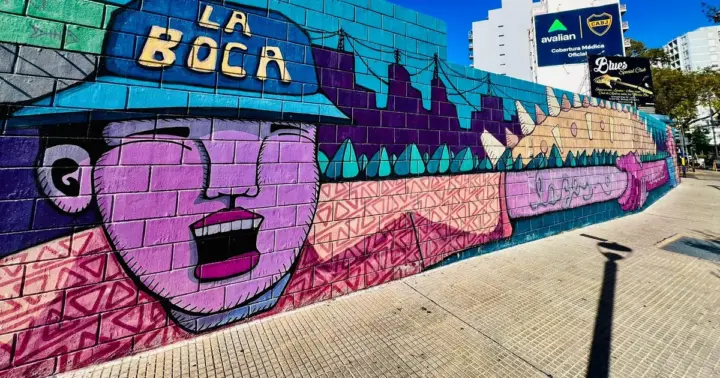
La Boca grew around the port and carries a strong legacy of Italian immigration in its architecture, food and community identity. Caminito is its best-known sight, but football is just as important: La Bombonera, home of Boca Juniors, dominates the neighbourhood’s sporting imagination. Stadium tours, museum entry and match access are separate products whose schedules and prices change.

Opened in 1894, Avenida de Mayo links the executive and legislative centres of Argentina: Casa Rosada and the National Congress. Its architecture moves from neoclassical and Beaux-Arts façades to Art Nouveau details, with historic cafés providing good places to pause along the route.

Architect Mario Palanti designed Palacio Barolo around the symbolism of Dante’s Divine Comedy. Completed in 1923, the 100-metre building was among the tallest in South America at the time. Guided visits explain its references to hell, purgatory and paradise before climbing towards the lighthouse and city views. Tour times and rooftop access depend on the operator and weather.

Tres de Febrero Park is the classic green heart of Palermo. Lakes, lawns and the Rosedal make it a welcome counterpoint to the dense centre. The wider landscape was expanded and reshaped by French-Argentine landscape architect Carlos Thays in the late 19th century, while Benito Carrasco designed the rose garden.

Created in 1967, the Japanese Garden in Palermo brings together ponds, bridges, carefully composed planting and cultural spaces. It is a calm, compact visit that pairs well with the surrounding parks. Admission fees, event programmes and opening times are temporal, so verify them on the garden’s official channels before going.
Buenos Aires is especially well suited to guided walks because its monuments make more sense when connected to the political, migration, tango and football stories behind them. Start with a historic-centre tour, then consider a neighbourhood walk in San Telmo, Recoleta, La Boca or Palermo.
Tour names, languages, times, ratings and availability change continuously. Use the live GuruWalk listings below instead of relying on a static recommendation.
For a first visit, prioritise Plaza de Mayo, Casa Rosada, the Obelisk and Teatro Colón. Add San Telmo or Recoleta if you have a full day, then explore La Boca, Palermo and Puerto Madero with more time.
San Telmo is a strong introduction to historic Buenos Aires, with cobbled streets, antiques, tango and museums. La Boca foregrounds port and football culture, while Palermo is better for contemporary design, food and nightlife.
Tres de Febrero Park and the Japanese Garden are convenient options in Palermo. Costanera Sur Ecological Reserve offers a larger natural area, but its opening depends on seasonal hours and weather.
The Subte, buses and taxis cover the city well. Walking works best within individual areas such as the historic centre, San Telmo or Palermo; use public transport or a taxi between distant neighbourhoods such as La Boca and Recoleta.
Access rules, opening hours, prices, guided-tour schedules and transport conditions were reviewed on 25 August 2026 and may change for holidays, works, weather or operational reasons. Always check the relevant official site before your visit.
Tourism and travel expert with a strong background in creating cultural content. Fluent in multiple languages and experienced as a presenter, she connects with diverse audiences to inspire the exploration of unique destinations. Her creative and dynamic approach stands out in every project, conveying the essence of each place she discovers.
Local guides, pay-what-you-want and no credit card to book. That is how you understand a city.
Explore free tours on guruwalk.com