


Explore Cusco through Qorikancha, Sacsayhuamán, San Blas and San Pedro Market, with routes extending to the Sacred Valley and Machu Picchu.
 Julieta Betancor
GuruWalk
·
Updated 27 Aug 2026
Julieta Betancor
GuruWalk
·
Updated 27 Aug 2026Planning note: admission rules, transport schedules, festival dates, market days and tour availability can change. Check current details before you travel.
Cusco is much more than a gateway to Inca ruins. Cobbled streets, Spanish colonial churches, busy markets and Andean landscapes all meet in a city where different layers of history remain visible at every turn. From the Plaza de Armas to the monumental stonework of Sacsayhuamán, these are the places that help explain why Cusco deserves time in its own right.
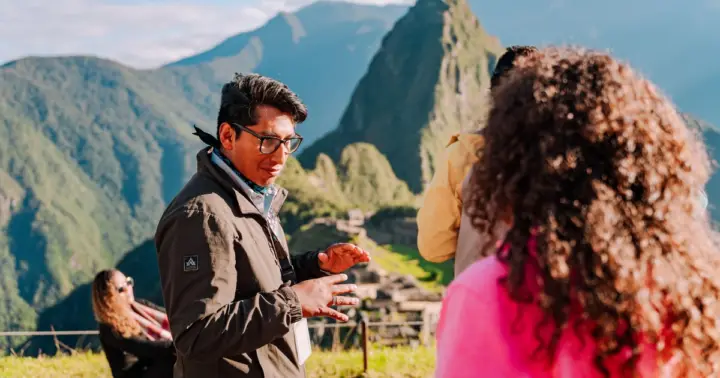
A local guide can help you make sense of that complex history while introducing you to the city at street level. Start with a free walking tour in Cusco, then return to the neighbourhoods and monuments that catch your interest.
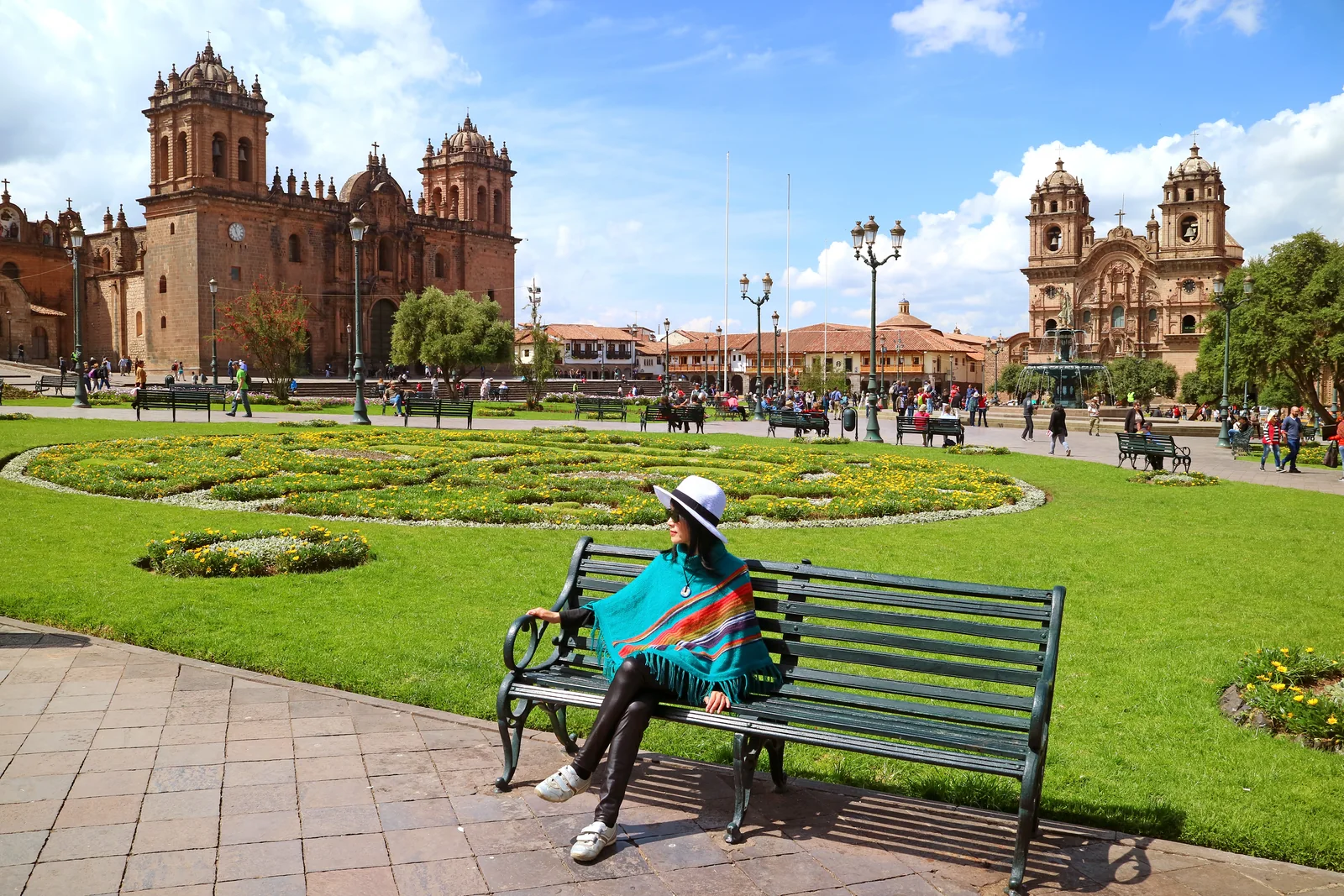
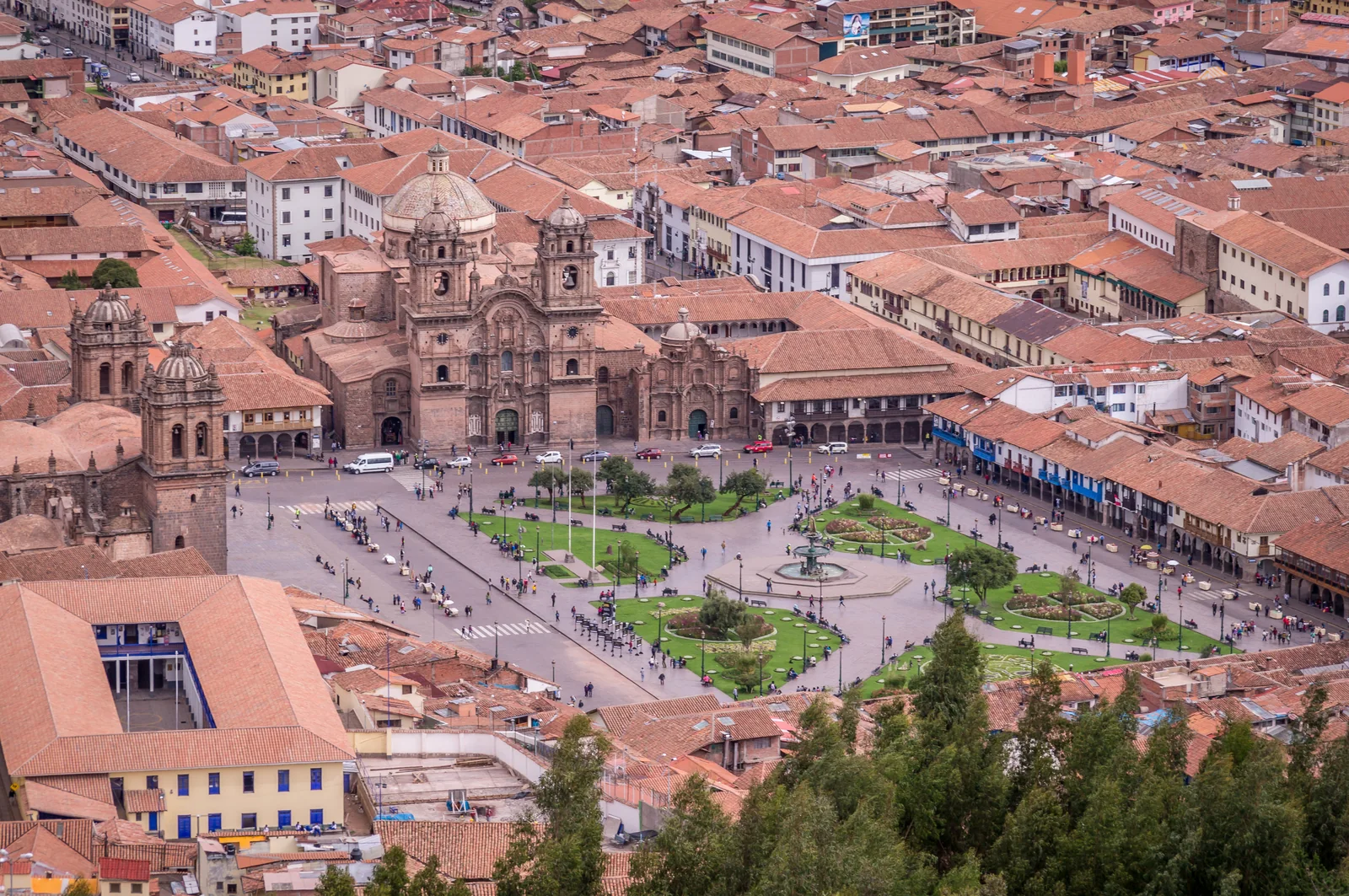
Cusco, the former capital of the Inca Empire, combines Inca stonework with Spanish colonial architecture and the everyday life of a modern Andean city. A single day is only an introduction, but it is enough to connect several of the historic centre’s essential sights if you keep a steady pace.
Begin at Qorikancha, the Inca Temple of the Sun beneath the Convent of Santo Domingo. The contrast between precisely fitted Inca walls and the later colonial complex offers a clear introduction to Cusco’s layered history.
Continue uphill to San Blas, a neighbourhood of steep lanes, artisan workshops and small galleries. Pause at one of its viewpoints before heading towards the archaeological complex of Sacsayhuamán, whose immense stone walls overlook the city.
Spend part of the afternoon at San Pedro Market, where produce, prepared food, textiles and everyday shopping come together under one roof. It is a lively place to observe local routines as well as browse for food or crafts.
If time and transport allow, continue beyond the centre to Tambomachay, an archaeological site known for its stone channels and flowing water, and finish at nearby Puka Pukara for broad views over the Andean landscape. This is an ambitious day, so leave these outlying sites for another day if you prefer a slower visit.
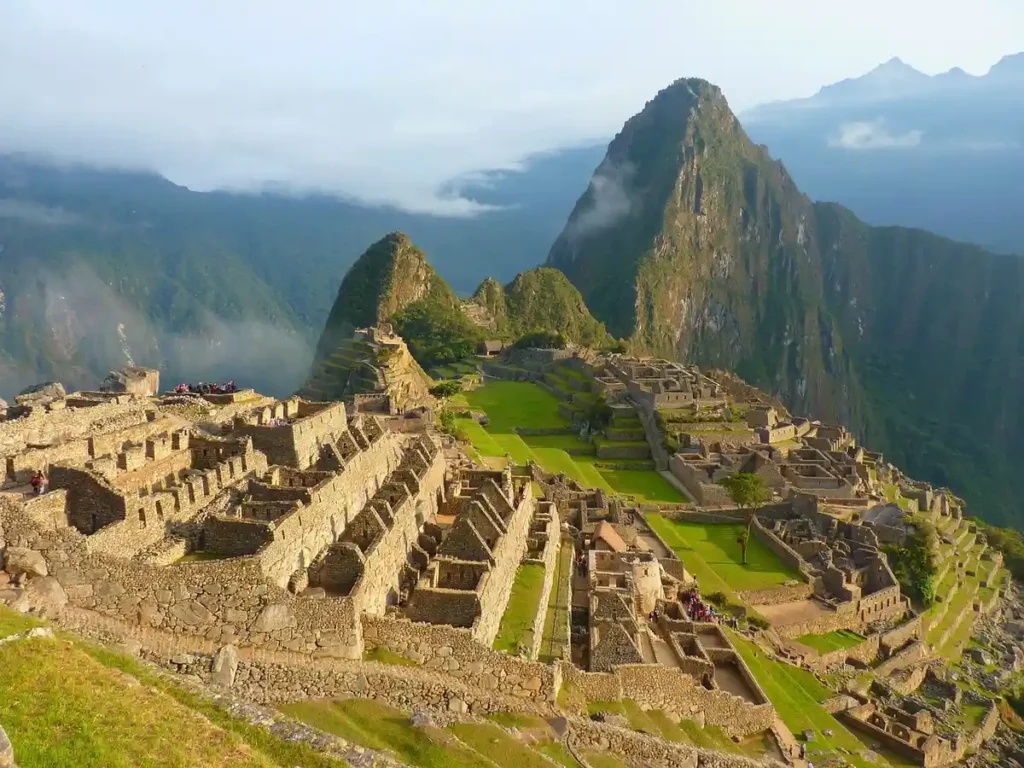
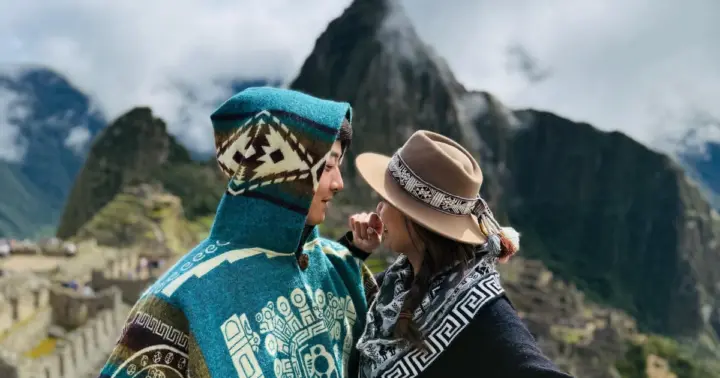
Set high in the Peruvian Andes, Machu Picchu is a 15th-century Inca citadel at roughly 2,430 metres above sea level. Although local communities knew the site, Hiram Bingham’s 1911 expedition brought it to wider international attention. Its dramatic setting and cultural importance have since made it one of Peru’s best-known archaeological places.
Among its most discussed features is the Intihuatana, a carefully carved ritual stone whose name is commonly translated as “where the sun is tied”. Its precise purpose is still interpreted in different ways, but it reflects the close relationship between Inca architecture, ritual life and the surrounding landscape.
Other highlights include the Temple of the Sun, with finely worked stone and openings associated with solar observation, and the agricultural sector. The terraces helped the Incas manage steep terrain, drainage and cultivation across the mountainside.

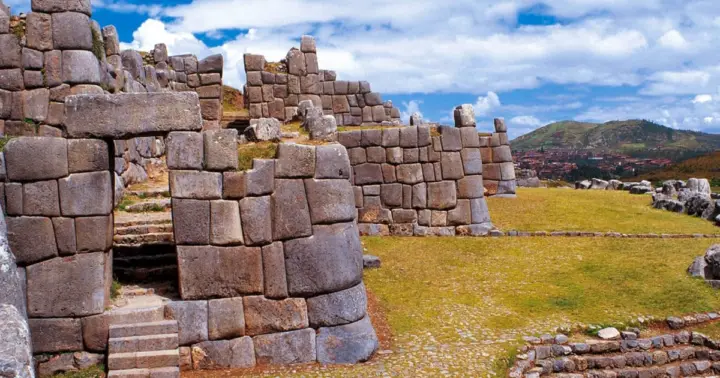
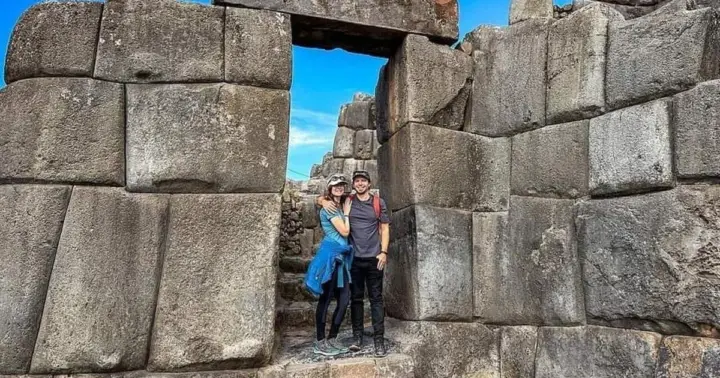
Sacsayhuamán rises above Cusco and contains some of the most imposing surviving examples of Inca stonework. Huge blocks—some weighing more than 100 tonnes—fit together with remarkable precision. The complex is often described as a fortress, although its full religious, ceremonial and defensive roles continue to be interpreted by historians and archaeologists.
The site also remains important in contemporary cultural life. Inti Raymi, the modern celebration associated with the Andean winter solstice, includes a major ceremony here each year. Dates, access arrangements and tickets are seasonal, so check the current programme if your visit coincides with the festival.

Qorikancha, or the Temple of the Sun, was one of the most important religious centres of the Inca Empire and was dedicated to Inti, the sun deity. Its Quechua name is commonly understood as “golden enclosure”, recalling accounts of the gold that once decorated the complex.
Much of the original structure was damaged or dismantled after the Spanish conquest, and the Church and Convent of Santo Domingo were built over its foundations. The result makes the contrast between Inca and colonial construction unusually clear. The finely fitted stone walls also survived earthquakes that damaged later buildings around them.
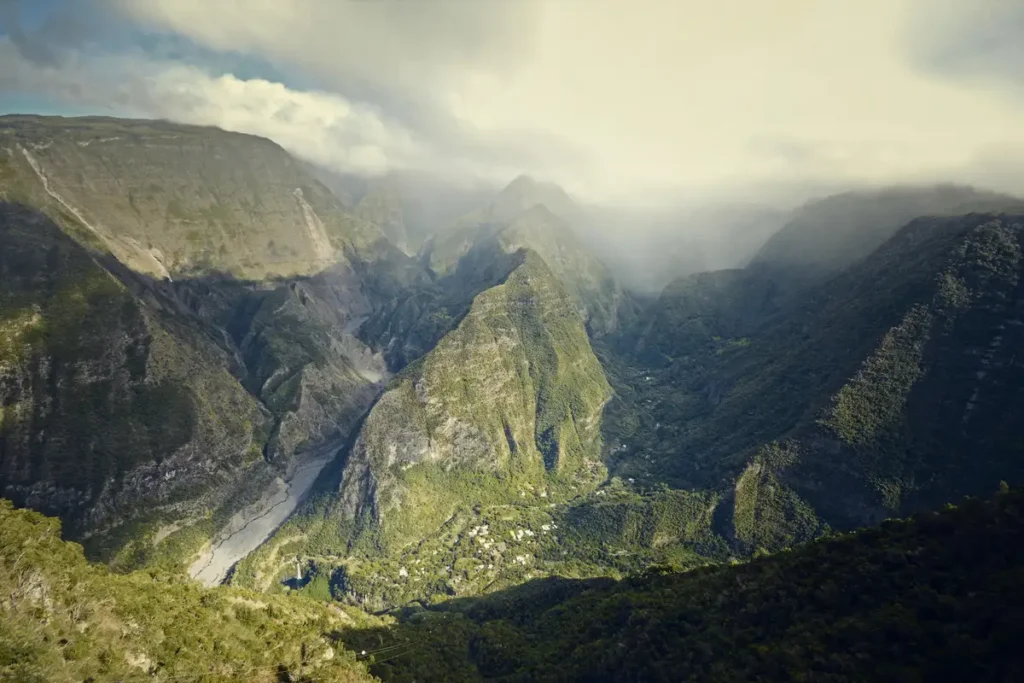
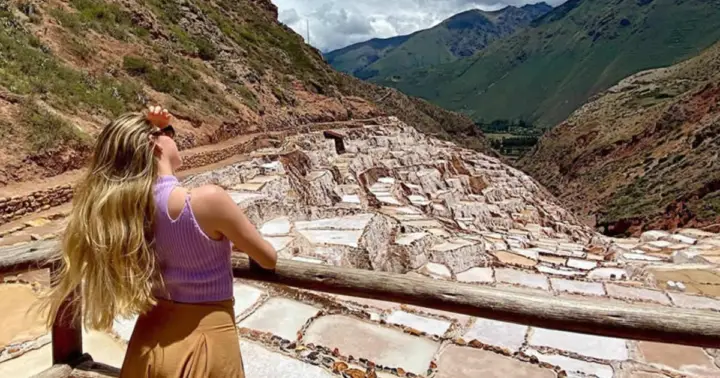
The Sacred Valley of the Incas follows the Urubamba River through the Andean region around Cusco. Its fertile land, traditional towns and archaeological sites made it historically and spiritually important to Andean communities. Snow-capped peaks, cultivated terraces and river landscapes create a very different rhythm from the city.
Pisac is known for an artisan market and an extensive archaeological site high above the modern town. Ollantaytambo combines monumental terraces and temples with a town plan that retains strong Inca foundations. It is also a common rail departure point for journeys towards Machu Picchu, although train routes and schedules should always be checked before travel.

Pisac’s archaeological complex occupies a mountainside above the valley. Its terraces show how Inca engineers adapted steep land for agriculture, while the surviving structures point to the site’s religious and administrative importance. The elevated position also opens wide views across the Sacred Valley.
In the town below, the artisan market brings together textiles, ceramics, jewellery and other regional crafts. Sunday has traditionally been an important market day, but operating days and the mix of stalls can change, so confirm locally if the market is central to your plans.
Hiking and craft workshops offer two ways to spend longer in the area. Choose marked routes and arrange workshops directly with established local artisans rather than assuming that every activity is available without notice.
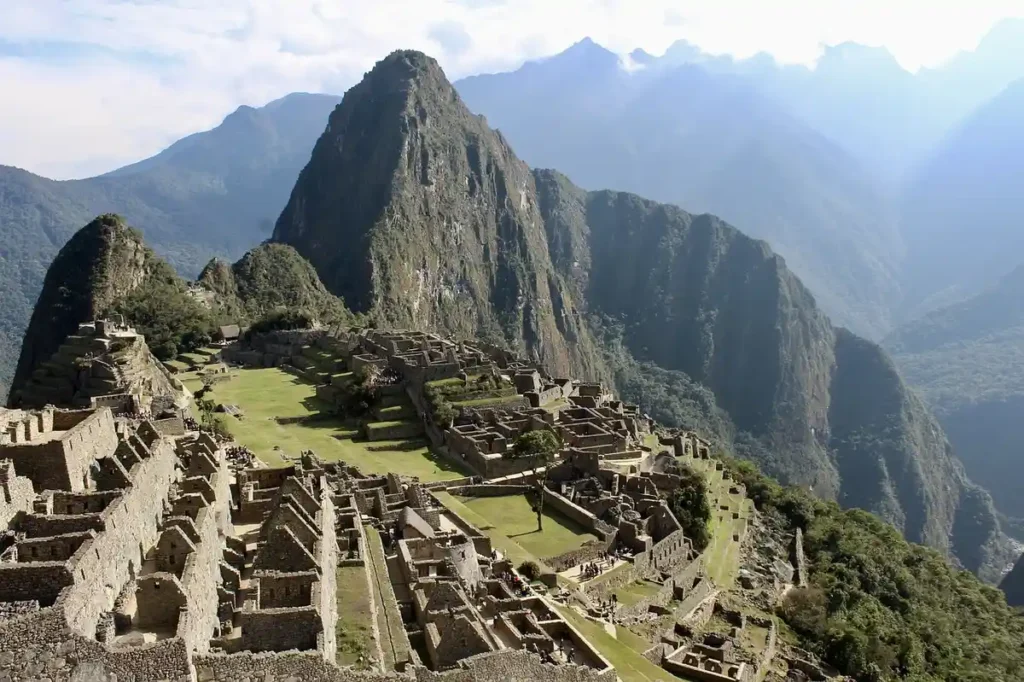
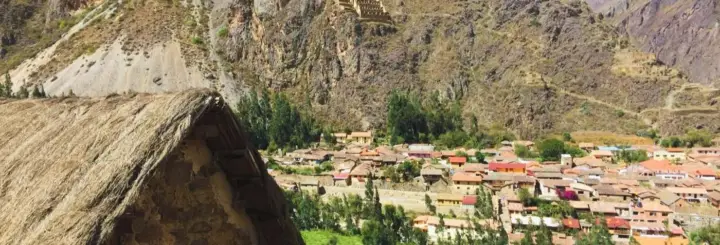
Ollantaytambo is one of the Sacred Valley’s most important archaeological and living historic places. Its lanes, water channels and building foundations retain elements of the Inca town, while the monumental terraces rise steeply above it.
The complex served religious, agricultural and defensive purposes. At its upper level, finely worked stones associated with the Temple of the Sun demonstrate the precision and ambition of Inca construction. From the terraces, the relationship between the town, valley and surrounding mountains becomes especially clear.

Moray is an Inca archaeological complex defined by a series of deep circular terraces. Their form creates striking changes in level and exposure across the site. They are widely associated with Inca agricultural experimentation and the study of growing conditions, although the precise way the complex was used remains a matter of interpretation.

About 28 kilometres from Cusco, Chinchero is known for Andean landscapes, Inca terraces and a strong textile tradition. Local weaving brings together inherited techniques, natural materials and designs with cultural meaning. The town’s streets and archaeological remains also show the overlap between Indigenous and colonial history.
The Church of Chinchero was built on Inca foundations. Its stone exterior and colonial wall paintings make it another clear example of Catholic and Andean traditions occupying the same historic space. It remains a place of worship and community life, so visit respectfully.

Tambomachay, sometimes called the Bath of the Inca, is an archaeological site a short distance from Cusco. Water still runs through channels cut into carefully assembled stone terraces. The complex is generally linked to ritual uses of water, which held sacred importance in Inca culture.
Its fountains and channels demonstrate sophisticated hydraulic design that works with the natural slope. The original purpose is not known with certainty, but the continuing flow of water remains the feature that defines the site.

Tipón is an archaeological complex of terraces, stonework and water channels outside Cusco. Its functioning canals demonstrate how Inca engineering managed water across agricultural slopes. The sound and movement of water give the site a different atmosphere from the region’s drier stone complexes.
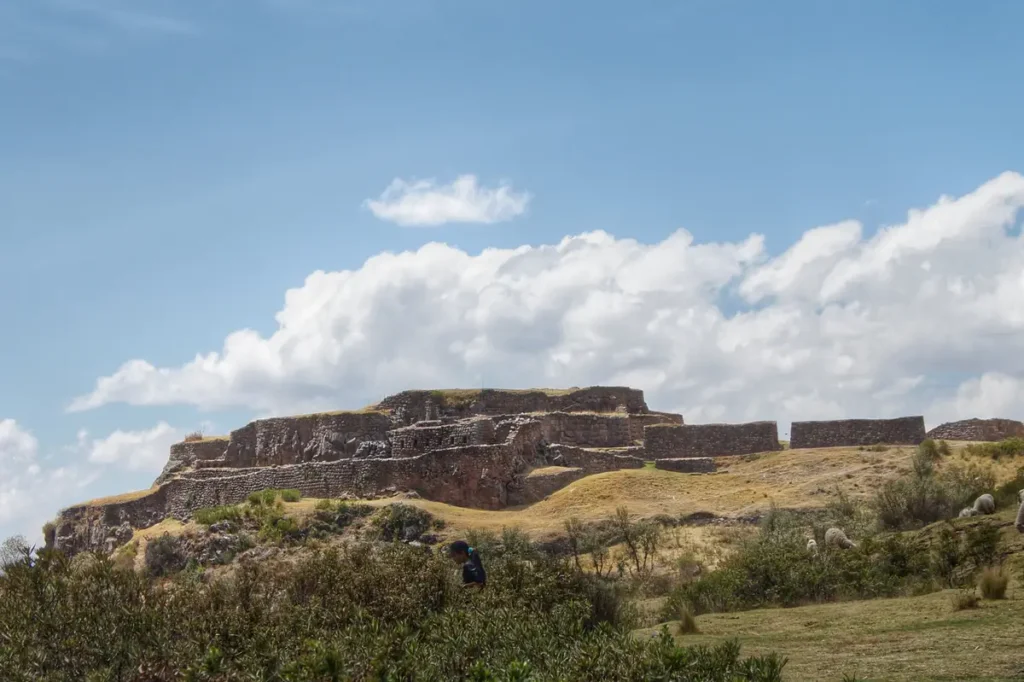
Puka Pukara—often translated as “red fortress”—is an Inca archaeological site a few kilometres from Cusco. Its strategic position and surviving walls have led to interpretations of it as a control point, defensive post and resting place for travellers moving through the region.
The site lies close to Qenqo, Tambomachay and Sacsayhuamán, which makes it a practical stop on a wider route through the archaeological sites north of the city. Its open setting also provides broad views of the surrounding valley and mountains.

Set on a hillside above Cusco’s historic centre, San Blas is known for steep cobbled lanes, colonial houses and a long association with local artists and craftspeople. The Church of San Blas is particularly noted for its intricately carved wooden pulpit, while nearby viewpoints open across the city.
Workshops and cooking classes can offer a more direct encounter with local skills than simply browsing finished products. Availability changes, so arrange them with established artisans or hosts and make sure the format respects their time and knowledge.

San Pedro Market has served Cusco since the early 20th century. Fresh produce, prepared dishes and household shopping sit alongside stalls selling textiles and souvenirs, making the market both a visitor attraction and part of daily life for local residents.
Browse with curiosity but remember that this is a working market. Ask before photographing people, keep valuables secure in busy aisles and choose food stalls according to your own dietary needs.
Tour schedules, languages, reviews and availability change frequently. Use the live GuruWalk widget above or browse the current selection of free walking tours in Cusco rather than relying on a static list.
Explore landmarks such as Qorikancha, join a guided visit to the Sacred Valley or walk through the monumental complex of Sacsayhuamán.
A common route combines a train from the Cusco area towards Machu Picchu Pueblo (Aguas Calientes) with onward access to the citadel. Trekking routes such as the Inca Trail are another option. Rail, bus, trail-permit and entry arrangements change, so verify the complete journey before booking.
Start with Qorikancha and Sacsayhuamán, then consider Tambomachay, Tipón and Puka Pukara. Each reveals a different aspect of Inca architecture and the relationship between the city, water and landscape.
San Pedro Market is a useful introduction to local produce and everyday dishes, while San Blas has cafés and restaurants in a more visitor-oriented setting.
Popular stops include the archaeological sites at Pisac and Ollantaytambo, the circular terraces of Moray and the textile traditions of Chinchero.
Ready to explore Cusco? Reserve your place with a local guru at no upfront cost, enjoy the walk and decide what it was worth at the end.
Tourism and travel expert with a strong background in creating cultural content. Fluent in multiple languages and experienced as a presenter, she connects with diverse audiences to inspire the exploration of unique destinations. Her creative and dynamic approach stands out in every project, conveying the essence of each place she discovers.
Local guides, pay-what-you-want and no credit card to book. That is how you understand a city.
Explore free tours on guruwalk.com