

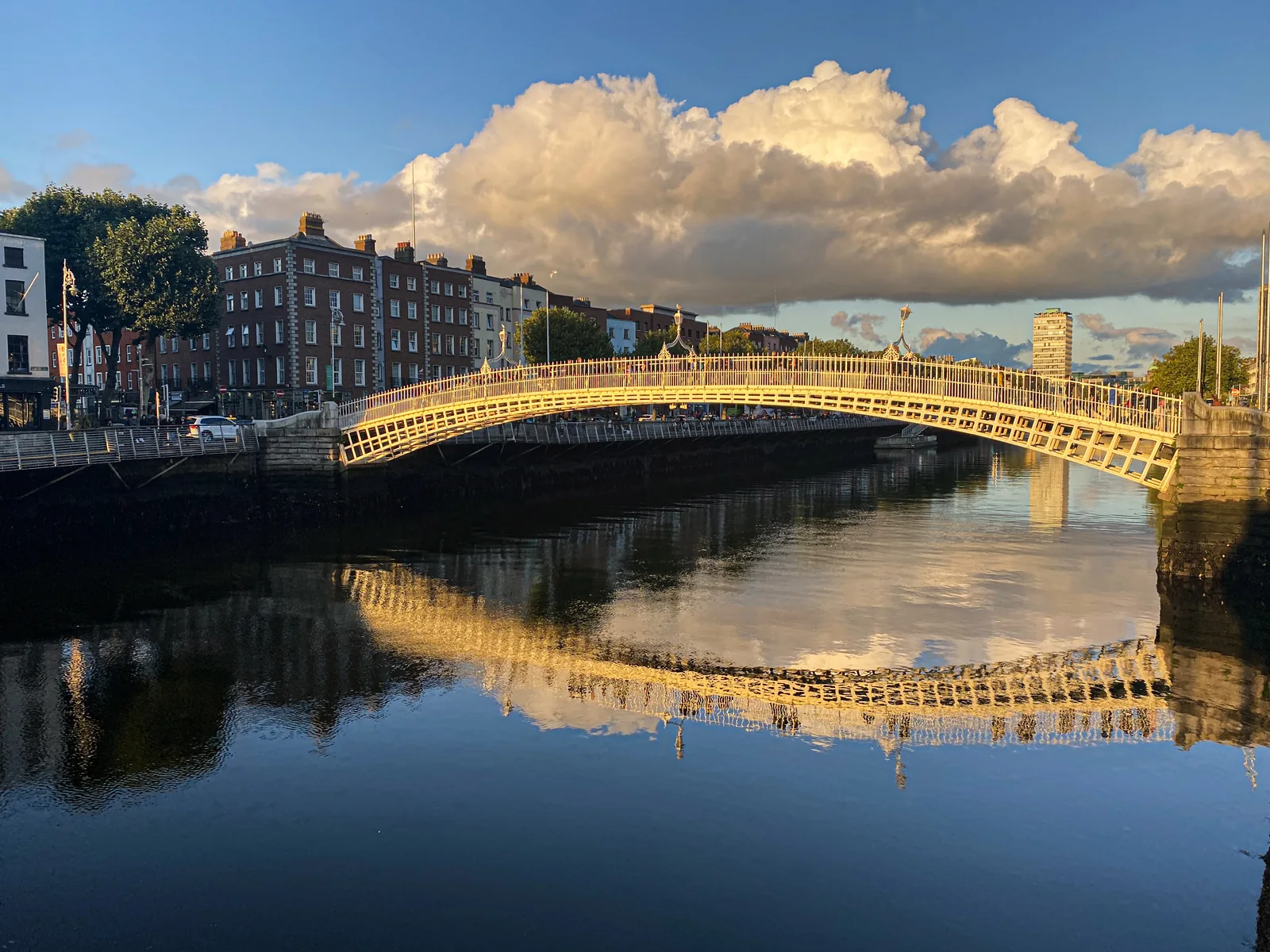
Dublin is a city best discovered at street level. Grand Georgian façades, medieval churches, literary landmarks and lively pubs sit within an easy walk of the River Liffey. This guide brings together the essential sights, a practical one-day route and a few details worth knowing before you set out.
- Dublin in one day
- Trinity College Dublin
- Book of Kells
- Dublin Castle
- St Patrick’s Cathedral
- Guinness Storehouse
- Phoenix Park
- Temple Bar
- National Museum of Ireland
- Kilmainham Gaol
- O’Connell Street
- Grafton Street
- Christ Church Cathedral
- Best free walking tours in Dublin
- Dublin FAQ
Dublin in one day
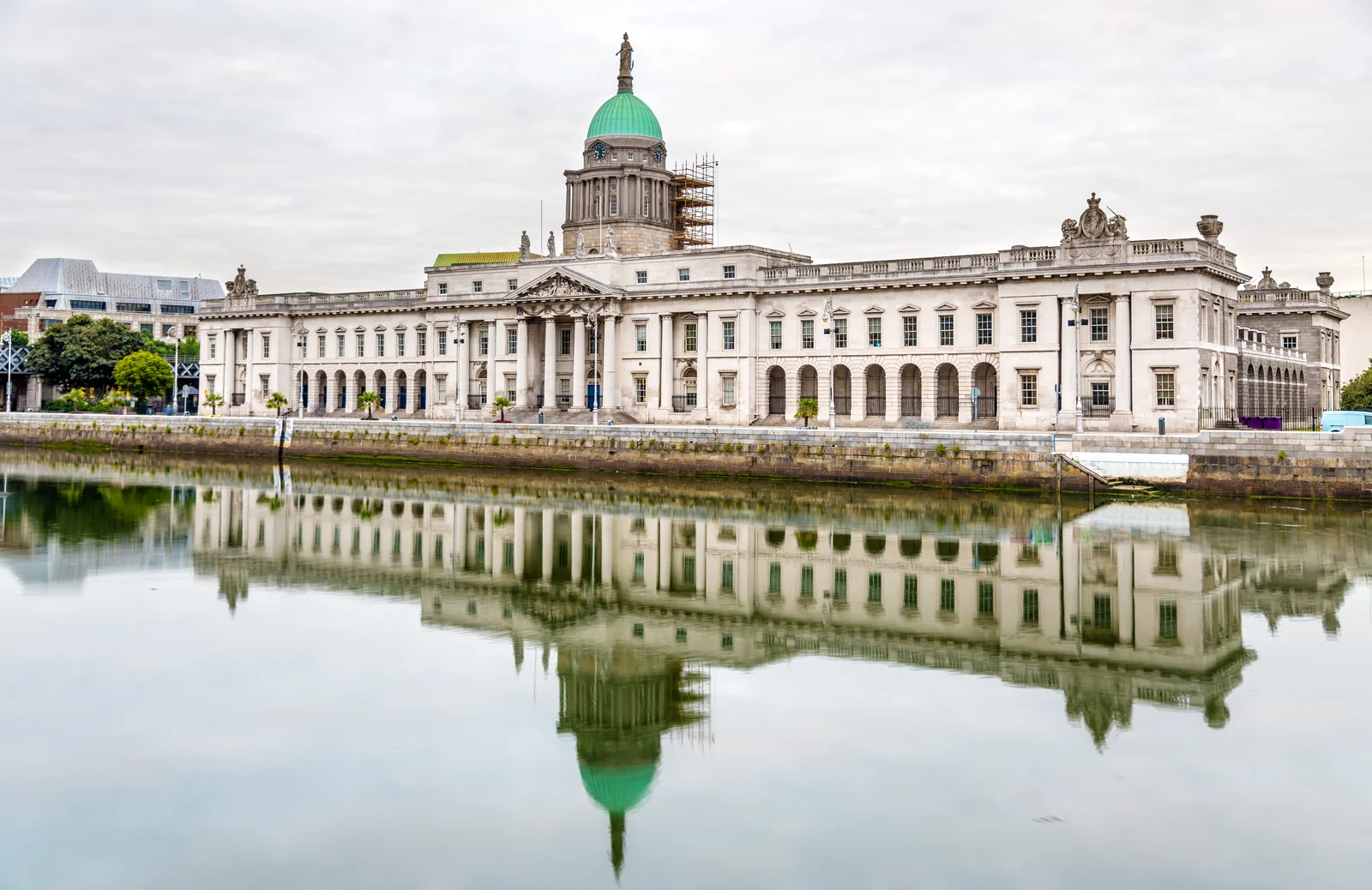
Morning
Start at Trinity College, Ireland’s oldest university and home to the Book of Kells. The historic campus is an atmospheric introduction to the city, while the library exhibition gives context to one of Ireland’s greatest medieval treasures.
From there, walk to Dublin Castle. The complex has changed dramatically since its medieval beginnings, but it remains one of the clearest places to understand how political power in Ireland evolved. Continue south to St Patrick’s Cathedral, the country’s largest cathedral and a landmark closely associated with Dublin’s religious and literary history.
Afternoon and evening
After lunch, choose between the Guinness Storehouse and Phoenix Park. The Storehouse offers an indoor, story-led visit that ends with wide views over Dublin; the park is the better option when you want open space, long paths and a break from the city centre.
Finish in Temple Bar, but look beyond the district’s most photographed pub fronts. Its cultural venues, cobbled lanes and live-music scene are most enjoyable when you wander without rushing—and when you remember that drinks and meals here tend to cost more than elsewhere in the centre.
Trinity College Dublin
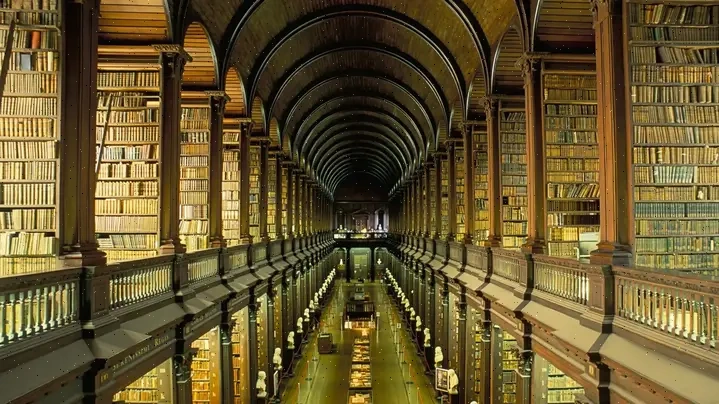
Founded in 1592, Trinity College sits in the heart of Dublin yet feels set apart from the surrounding streets. Its historic campus is both an academic institution and a symbol of Irish culture and heritage, making it a natural first stop for understanding the city.
Book of Kells
Discover Trinity, the Book of Kells and Dublin Castle
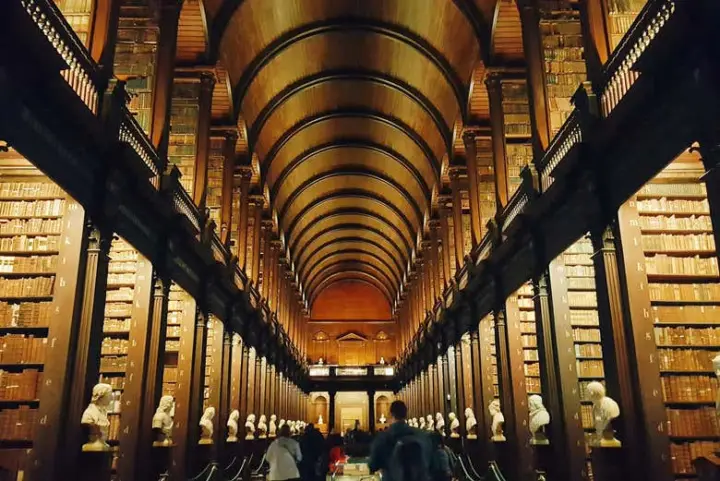

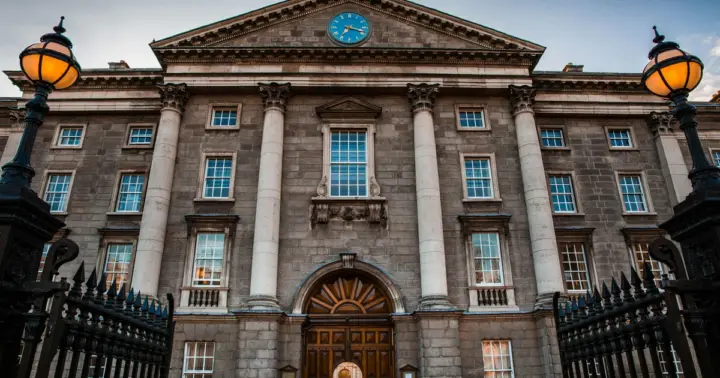




The Book of Kells is a ninth-century illuminated manuscript. Its pages combine Christian imagery, intricate lettering, stylised animals and patterns inspired by the natural world. The extraordinary colour and precision of its decoration reveal the skill and imagination of its creators.
Dublin Castle
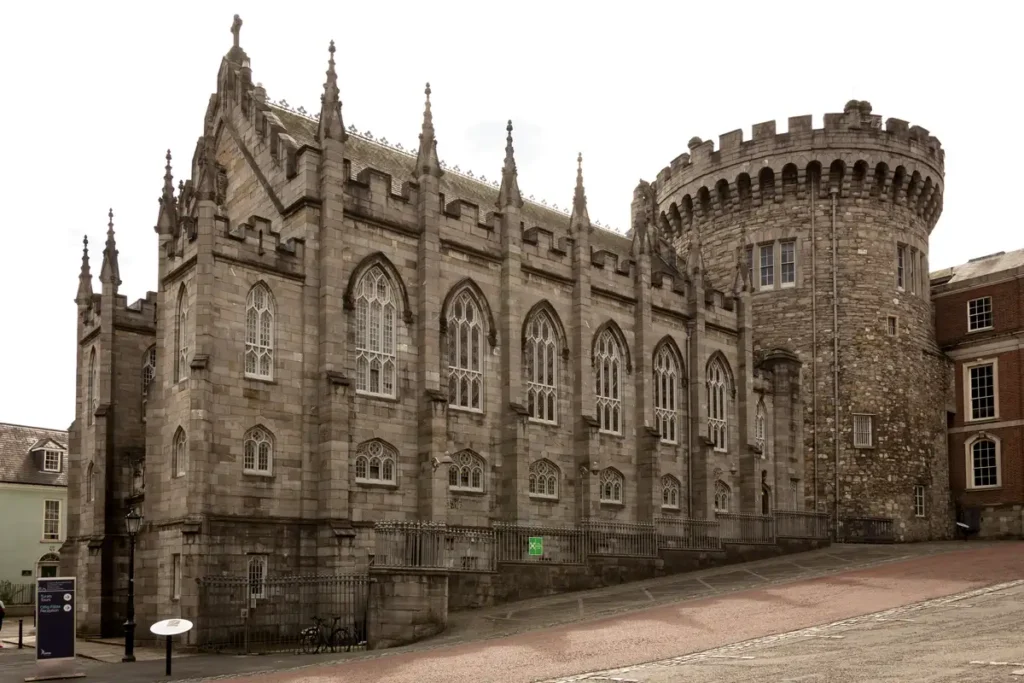
Construction of Dublin Castle began in 1204. From the medieval period into the 20th century, it served as a centre of political and military power and witnessed agreements and conflicts that shaped Ireland. Today, its courtyards and State Apartments make those layers of history easier to read.
St Patrick’s Cathedral

St Patrick’s Cathedral was inaugurated in 1191 and is the largest place of worship in Ireland. Its Gothic architecture and long religious history make it one of Dublin’s defining monuments, as well as a place where important Irish traditions continue to be observed.
Practical note: sightseeing visits are ticketed, while access for worship follows different arrangements. Opening hours can change for services and special events, so check the cathedral’s official timetable before going.
Guinness Storehouse
Go behind the scenes of Dublin’s brewing tradition
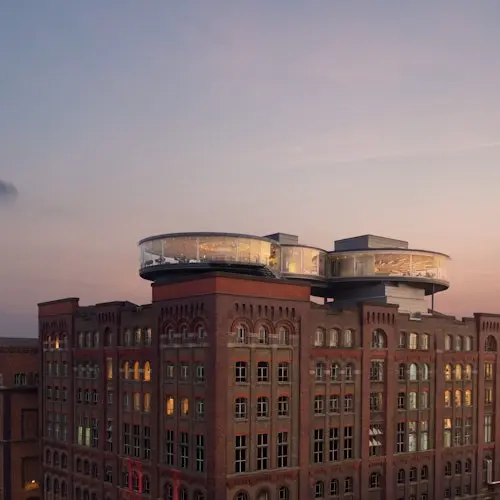



The Guinness Storehouse explores the history, culture and craft behind Dublin’s best-known stout. Its interactive displays tell the story of a brewing tradition that began here in 1759, and the visit ends at the Gravity Bar with panoramic views over the city.
Practical note: admission prices, packages and last-entry times vary. Weekend and afternoon slots can sell out, so compare the live options and book a timed ticket before travelling.
Phoenix Park

Covering more than 700 hectares, Phoenix Park gives Dublin an exceptional stretch of open landscape close to the centre. Its best-known landmarks include the Wellington Testimonial, the Phoenix Monument and the Papal Cross. The resident deer are wild animals: keep your distance and never feed them.
Practical note: the park is generally accessible around the clock, but temporary closures and traffic restrictions can apply. Check current notices before a late-night or event-day visit.
Temple Bar
Experience Dublin’s pubs, food and music

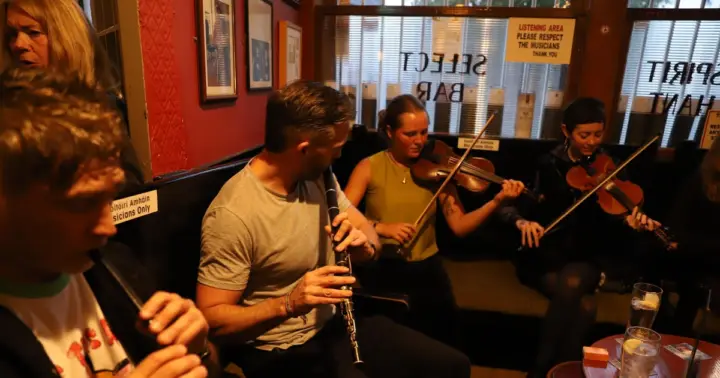

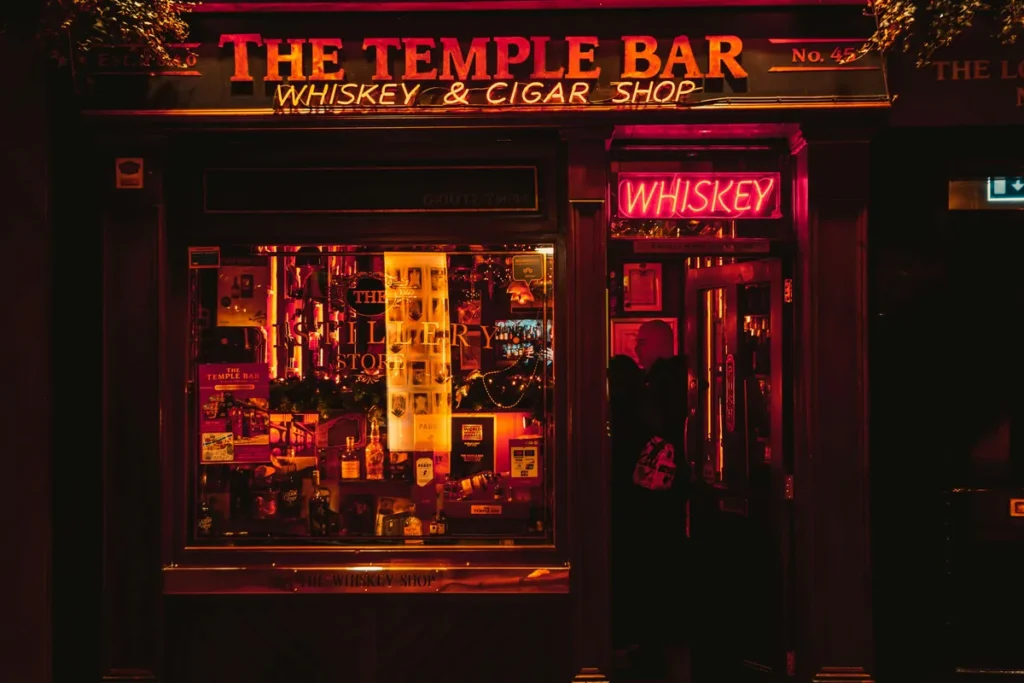
Temple Bar is Dublin’s best-known nightlife district, but its appeal is broader than a night out. Independent cultural spaces, small galleries, music venues and weekend markets share the narrow streets with busy pubs. It is often crowded and expensive, so watch your belongings and check current market schedules rather than planning around old opening times.
National Museum of Ireland
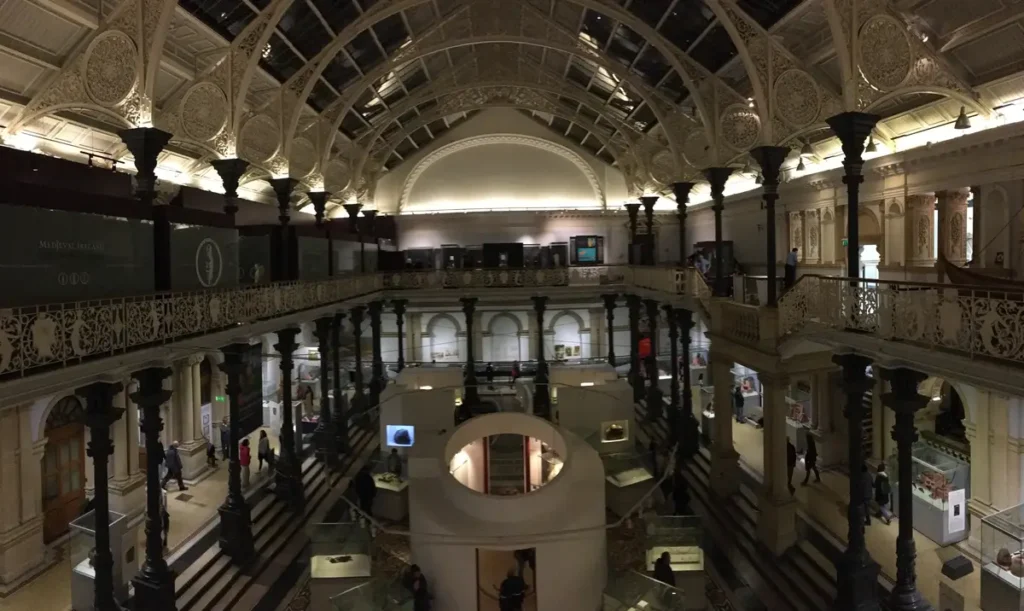
The National Museum of Ireland is spread across several sites, with collections ranging from archaeology and Viking artefacts to decorative arts, contemporary Irish art and military history at Collins Barracks. Admission is generally free, but opening hours and temporary closures differ by branch. The Natural History museum’s renovation status is especially time-sensitive, so verify it before including that building in your route.
Kilmainham Gaol

Opened in 1796, Kilmainham Gaol played a central role in the story of Irish nationalism and independence. Its prisoners included leaders of the 1916 Easter Rising, among them Thomas J. Clarke. The guided visit is powerful because it connects individual cells and corridors with events that shaped the country.
Practical note: visits are by timed guided tour and advance online booking is essential. Prices and availability change, and popular dates can sell out well ahead.
O’Connell Street
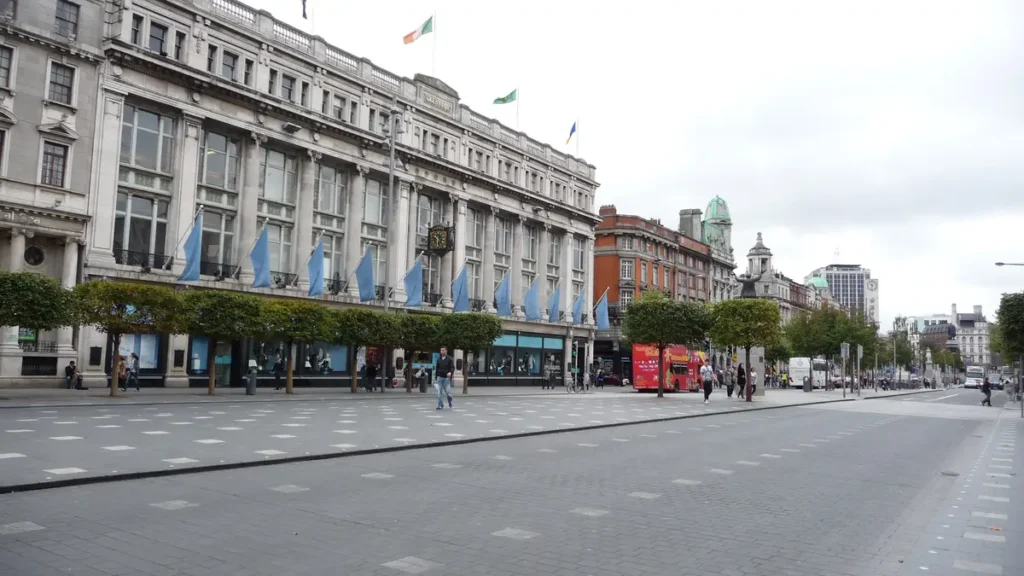
O’Connell Street is one of Dublin’s main civic thoroughfares, bringing together the city’s history and everyday life. The 120-metre Spire is its unmistakable contemporary landmark and a symbol of the renewal of central Dublin.
Grafton Street
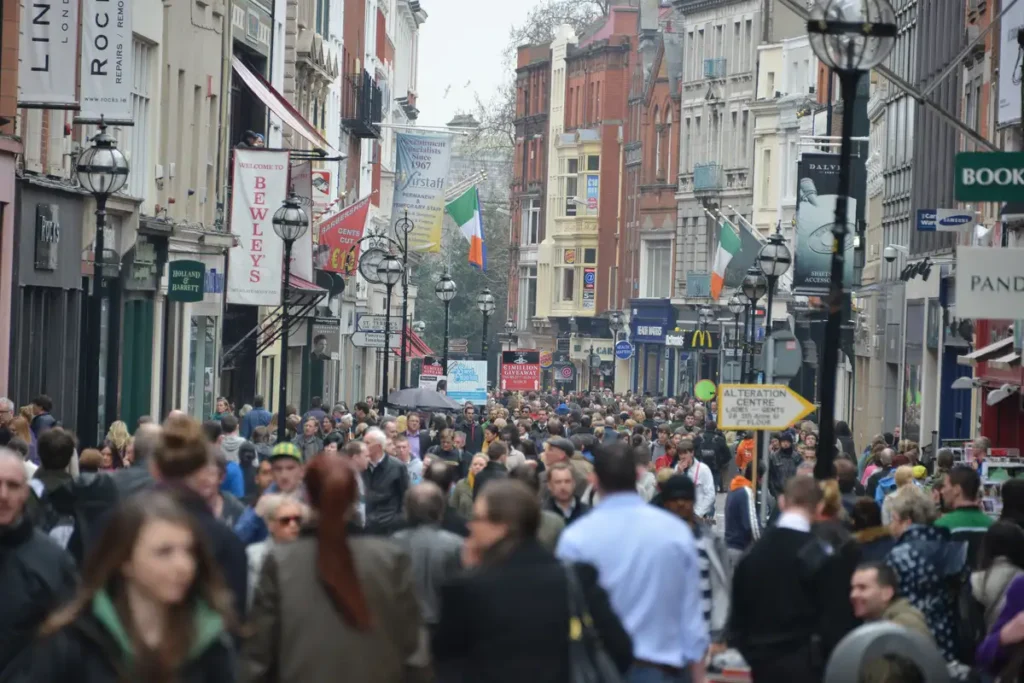
Pedestrianised Grafton Street is one of the liveliest walks through central Dublin. Luxury shops and independent boutiques line its roughly half-kilometre route, while buskers and live music give the street much of its character.
Christ Church Cathedral

Christ Church Cathedral is a thousand-year witness to Dublin’s history. Its Norman architecture, broad transept and vast crypt—the largest on the island—hold exhibitions and curiosities, including the famous mummified cat and rat.
Practical note: sightseeing admission, concessions and closing times can change, and last entry is before the building closes. Check the cathedral’s current visitor information on the day you plan to go.
Best free walking tours in Dublin
A free walking tour is a useful way to orient yourself on your first day. Dublin routes range from broad city introductions to walks focused on the Easter Rising, independence, myths, music or pub culture. Tour names, languages, departure times, ratings and availability change frequently, so use the live Dublin listing rather than relying on a fixed selection.
Dublin FAQ
What should you not miss in Dublin?
For a first visit, prioritise Trinity College and the Book of Kells, Dublin Castle, St Patrick’s Cathedral and one neighbourhood walk around Temple Bar or the Georgian centre. Add the Guinness Storehouse, Kilmainham Gaol or the National Museum according to your interests.
How many days do you need in Dublin?
Three days is a comfortable minimum for the main sights without rushing. One day covers a compact central route, while two extra days leave room for a major museum, Kilmainham Gaol, Phoenix Park and evenings with live music.
What is the prettiest area of Dublin?
There is no single answer, but the streets around Grafton Street and St Stephen’s Green combine elegant architecture, parks and street life. Temple Bar is more colourful and animated, while the Georgian squares offer a quieter side of the city.
What is Dublin famous for?
Dublin is known for its literary heritage, traditional pubs, live music and major chapters in Irish history. James Joyce and Samuel Beckett are closely associated with the city, while Guinness remains one of its most recognisable exports.
Is Dublin easy to get around?
Most central sights are within walking distance. Buses and Luas trams help with longer journeys, and public bicycle schemes are another option. Allow extra time at peak hours and check live transport information for disruptions.
How do you get from Dublin Airport to the city centre?
Direct buses connect the airport with the centre, and taxis and car hire are also available. Routes, fares and journey times vary, so compare the current options shortly before arrival.
Where can you learn about Dublin’s history?
The National Museum of Ireland provides the broadest historical context, while Kilmainham Gaol focuses on imprisonment, rebellion and independence. Dublin Castle and the General Post Office add political history directly where key events unfolded.
Is it safe to walk in Dublin at night?
Busy central areas are generally lively after dark, but use the same precautions you would in any capital: stay on well-lit streets, keep valuables secure and avoid isolated areas when walking alone.
What outdoor activities can you do in Dublin?
Walk or cycle in Phoenix Park, follow the River Liffey through the centre, relax in St Stephen’s Green or explore the coast by public transport when you have more time.
Time-sensitive information: the Spanish source last checked prices, opening hours and access conditions in September 2025. This English version deliberately avoids treating those figures as current. Confirm live prices, schedules, temporary closures, transport and tour availability with the relevant venue or booking page before your visit.

GuruWalk
Tourism and travel expert with a strong background in creating cultural content. Fluent in multiple languages and experienced as a presenter, she connects with diverse audiences to inspire the exploration of unique destinations. Her creative and dynamic approach stands out in every project, conveying the essence of each place she discovers.