

Connect Medellín’s historic centre, Botero Plaza and Comuna 13 in one day, using the Metrocable for views across the Aburrá Valley.
 Julieta Betancor
GuruWalk
·
Updated 27 Aug 2026
Julieta Betancor
GuruWalk
·
Updated 27 Aug 2026Medellín, Colombia’s “City of Eternal Spring”, brings together urban innovation, street art, green spaces and the warmth of paisa culture. This guide covers the essential places to visit, with a one-day route and practical advice for planning a longer stay.
If you only have 24 hours, this route connects Medellín’s historic centre, its best-known public art and some of the finest views over the Aburrá Valley.
Start at Bolívar Park and the imposing Metropolitan Cathedral, one of the world’s largest brick-built churches. From there, walk to the Museum of Antioquia and Botero Plaza, an open-air collection of Fernando Botero’s monumental sculptures. Before lunch, browse the fruit stalls at Plaza Minorista and try a few flavours of Antioquia.
Spend the afternoon learning about the history and street art of Comuna 13. Later, ride the Metrocable for a different perspective on the city and finish at Pueblito Paisa, on Cerro Nutibara, in time for sunset over the valley.
A Cívica card makes it easier to use Medellín's integrated public-transport network. Check the official Metro de Medellín guidance for current cards, fares, lines and operating hours. Central sights are close enough to cover on foot; use public transport or a licensed taxi for the longer journeys.
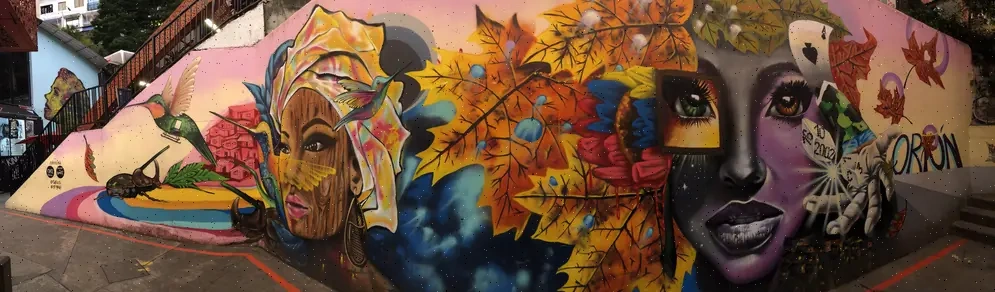
Few places embody Medellín’s complex story as powerfully as Comuna 13, or San Javier. The district endured intense violence, including the Mariscal and Orión military operations in 2002, which remain connected to investigations into human-rights abuses. La Escombrera, within the wider area, has been described as one of Latin America’s largest urban mass-grave sites and has been the focus of forensic work since 2024.
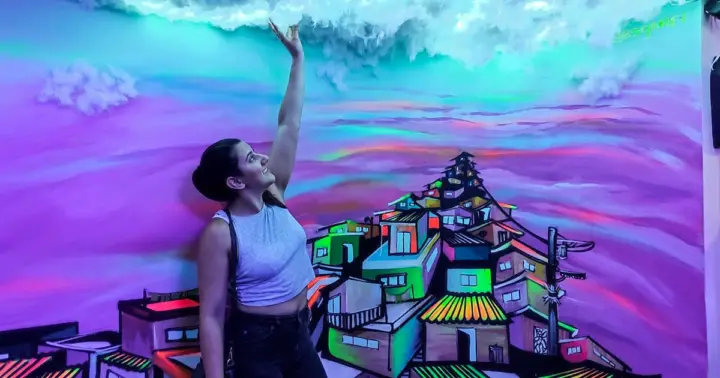
Comuna 13 is not Pablo Escobar’s birthplace, despite a persistent myth: he was born in Rionegro and grew up in Envigado. The neighbourhood is better understood through the residents and collectives who reshaped public space with hip-hop, dance and graffiti. Its best-known piece of infrastructure is the outdoor escalator system on the Independencias hillside, opened in 2011 to improve access for local residents.
Comuna 13 hosted the longest urban downhill bicycle race recognised by Guinness World Records in 2018, over a 2.27 km course. Music videos by Juanes and Maluma also brought its streets to an international audience. Today, guided walks through Comuna 13 show how art, memory and community action can change the way a place is understood.

Arví Park is a large ecotourism reserve in the hills above Medellín, with forest trails, native flora and fauna, and cultural landscapes shaped by the communities around Santa Elena. It offers a welcome change of pace from the city below.
Wear comfortable walking shoes and bring a light waterproof layer. The higher elevation means cooler, wetter conditions than central Medellín, and the weather can change quickly.
To reach Arví Park, take Metrocable Line K to Santo Domingo and change to Line L for Arví. Line L has a separate tourist fare, so check current prices and operating hours before setting out.

Parque Explora combines a science and technology centre with an aquarium and planetarium. Its interactive rooms make it one of the city’s strongest choices for families, while the architecture and public space are interesting in their own right.
The complex stands in northern Medellín, close to the Botanical Garden. Together, these attractions form part of an area transformed through public investment in education, culture and urban space.

The Museum of Antioquia is one of Medellín’s leading cultural institutions. Its collections connect regional history and Colombian art with work by international artists, and its galleries provide useful context for the Botero sculptures outside.
Fernando Botero is central to the museum, but it is worth allowing enough time for the wider collection rather than visiting only the rooms associated with his work.
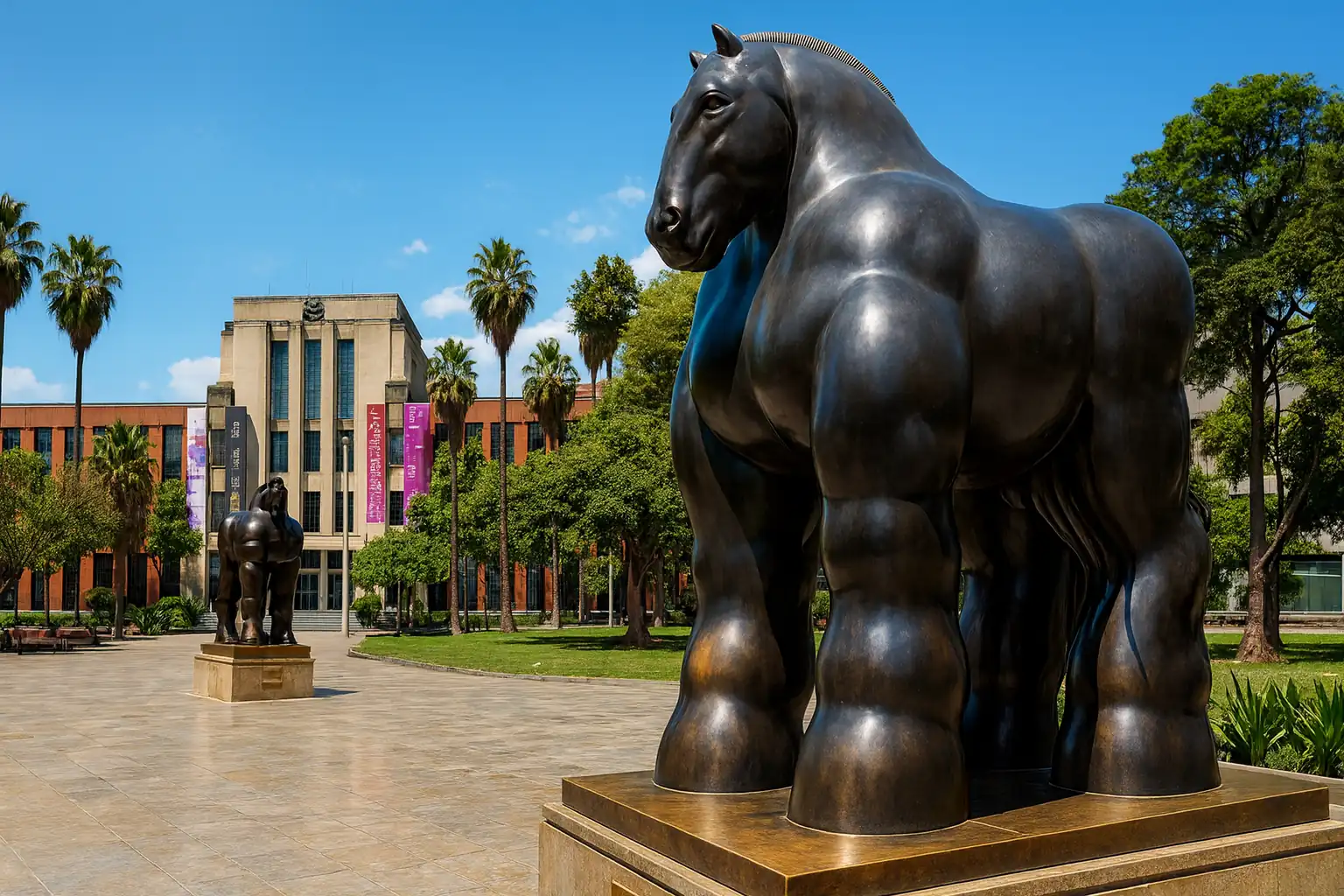
Botero Plaza is an open-air museum filled with 23 monumental bronze sculptures donated by Fernando Botero. The works sit among palms and busy streets in the heart of Medellín, directly outside the Museum of Antioquia.
Look at the sculptures from different angles and notice how their rounded forms change against the surrounding architecture. The plaza is also a useful stop on a free walking tour of central Medellín, where a local guide can connect the artworks with the city’s wider story.

The Joaquín Antonio Uribe Botanical Garden offers a calm, green counterpoint to Medellín’s busy streets. Its collections include tropical trees, palms, cacti and flowers, with different areas dedicated to the region’s plant life.
The Orquideorama, an innovative timber canopy used for exhibitions and events, is the garden’s architectural centrepiece. Programming changes, so check what is on during your visit.
General access to the garden is usually free, although special events may have separate conditions. Go early for cooler temperatures and more active birdlife, and confirm opening hours before travelling.

Built in 1930 to a design by architect Nel Rodríguez, El Castillo takes inspiration from the medieval castles of France’s Loire Valley. José Tobón Uribe first used it as a country house; Diego Echavarría Misas and his wife, Benedikta Zur Nieden, later filled it with European furniture, decorative arts and paintings.
The permanent rooms display glass, tapestries, stained glass, porcelain, sculpture and works by Colombian and European artists. The French-style gardens are an equally important part of the visit.

Barefoot Park, or Parque de los Pies Descalzos, is a small sensory park in central Medellín. Paths lead through bamboo, grass, sand and water features designed to be experienced without shoes.
It is less a major attraction than a pleasant urban pause. Water features and access conditions can be affected by maintenance, so keep the visit flexible.

Opened in 1892, Bolívar Park occupies two blocks in the Villanueva district and takes its name from Simón Bolívar. It remains one of central Medellín’s most recognisable public spaces, framed by mature trees and the Metropolitan Cathedral.
At its centre stands an equestrian statue of Bolívar designed by Italian sculptor Giovanni Anderlini, cast by Eugenio Maccagnani and installed in 1923.

Set on Cerro Nutibara, Pueblito Paisa recreates a traditional Antioquian village with a stone square, fountain, church, school, barber shop and municipal buildings. The viewpoint over Medellín is the main reason to include it in a first visit.
The hill also includes the Museo de Ciudad and the Carlos Vieco open-air theatre, as well as a sculpture park established in 1983. Exhibition access, performances and renovation work can change, so consult local information before going for a specific venue.

The National Palace stands on the pedestrianised stretch of Carabobo, between Calles 48 and 49. Designed by Belgian architect Agustín Goovaerts, it opened in 1933 as a major public building and was declared part of Colombia’s historic and artistic heritage in 1988.
Its bronze fittings, wrought iron, Art Deco stained glass and woodwork make it worth seeing even if you are not shopping. Since 1993 the building has operated as the Centro Comercial Palacio Nacional, with clothing, footwear, souvenirs and art spaces spread across six floors.

The Metrocable is not merely a tourist ride: it is part of Medellín’s public-transport system, built to connect hillside neighbourhoods with the metro network and the city centre.
For visitors, it also offers a striking view of the valley’s geography. Line K climbs towards Santo Domingo, while Line L continues from there to Arví Park. Treat the cabins as public transport, give priority to local passengers and avoid photographing people without permission.
Use a Cívica card for the integrated network. Line L to Arví has its own fare and timetable; check the official Metro de Medellín site on the day of travel.

Medellín’s Metropolitan Cathedral dominates the northern side of Bolívar Park. Construction began in the 19th century and the Roman Catholic cathedral was inaugurated in 1931. It is dedicated to the Immaculate Conception.
The three-nave basilica covers roughly 6,000 square metres and is built from an extraordinary quantity of fired brick. Remember that it is an active place of worship and dress and behave accordingly.

Parque de la Conservación, formerly Santa Fe Zoo, now presents itself as a conservation and environmental-education centre. Many of the animals in its care were rescued from illegal wildlife trafficking and cannot be returned to the wild.
The park combines animal habitats with educational routes, research and facilities such as the Casa de la Ciencia and an aviary. Its programmes and access conditions evolve, so check the park’s current information before visiting.

Plaza Minorista José María Villa is one of the best places to see Medellín’s everyday food culture. The market is packed with tropical fruit, vegetables, spices, meat, fish and small places serving Colombian dishes and fresh juices.
Come curious and try fruits such as lulo, granadilla and passion fruit, but remember that this is first and foremost a working market rather than a staged attraction.
Most international flights use José María Córdova International Airport in Rionegro, roughly 35 km from Medellín. Olaya Herrera Airport, within the urban area, mainly handles domestic and regional flights.
Long-distance coaches arrive at one of two terminals. Terminal del Norte, in the Caribe district, connects directly with Caribe metro station and serves routes including Bogotá, Santander and Colombia’s Caribbean region. Terminal del Sur, in Guayabal, handles many services towards southern and eastern Antioquia and the Coffee Region.
Journey times and fares vary with traffic, weather and your final destination. These are the main options:
An authorised airport taxi is the simplest door-to-door choice, but usually the most expensive. Use the official taxi service and confirm the current fare arrangements before leaving the terminal.
Airport buses connect Rionegro with Medellín. Routes, stops, schedules and operators can change, so check the information desk on arrival rather than relying on an old timetable.
Shared taxis split the fare between passengers and commonly run to the San Diego area. They normally leave once all seats are occupied, so waiting time is unpredictable.
Hola!

⭐ ¡Descubre la Comuna 13 como nunca antes con Guias Locales del territorio! 🎨🎶✨ Si estás en M…

Este recorrido está diseñado para conocer lo máximo posible en estas horas, no estar solamente en la zona turística si…

¡Bienvenidos a Colombia y a Medellín, la ciudad de la eterna primavera! Con nosotros conocerás de cerc…

¿Por qué Medellín cambia de una calle a otra? Unas pocas cuadras pueden llevarte de edificios financieros a espac…

Te invitamos a conocer con nosotros la maravillosa ciudad de Medellín. Mostraremos el centro de la ciudad de una manera…

¡Descubre de primera mano eso que Medellín llama transformación ! Atravesaremos…

Routes, languages, ratings and availability change frequently. Compare the current selection of free walking tours in Medellín on GuruWalk and choose the story and neighbourhood that interest you most.
Medellín is a year-round destination thanks to its mild climate. December to March is often drier, while the Flower Festival makes August especially popular. Rainfall patterns and festival dates vary, so check the forecast and official programme before travelling.
Many travellers visit Medellín without problems, but conditions vary by neighbourhood and time of day. Use normal big-city precautions, avoid isolated areas after dark, keep valuables out of sight and follow up-to-date local advice. A local guide can help you understand where and when to walk.
The integrated public-transport network includes metro trains, Metrocable lines, trams and buses. A Cívica card is the main payment method. Use authorised taxis or a reputable ride service when public transport is not practical, and check current fares and operating hours.
Start with bandeja paisa, then look for arepas, buñuelos, mondongo and Antioquian empanadas. Popular drinks include aguapanela and fresh juices made with tropical fruit such as lulo, passion fruit and guanábana.
Three or four days is enough for the main urban sights and a more relaxed look at one or two neighbourhoods. Add extra time for Arví Park or day trips beyond the city.
* Practical information was reviewed on 25 August 2026. Fares, opening hours, transport routes, tour availability, safety conditions, exhibitions and access rules can change without notice. Reconfirm them with the relevant official source before your visit.
Tourism and travel expert with a strong background in creating cultural content. Fluent in multiple languages and experienced as a presenter, she connects with diverse audiences to inspire the exploration of unique destinations. Her creative and dynamic approach stands out in every project, conveying the essence of each place she discovers.
Local guides, pay-what-you-want and no credit card to book. That is how you understand a city.
Explore free tours on guruwalk.com