

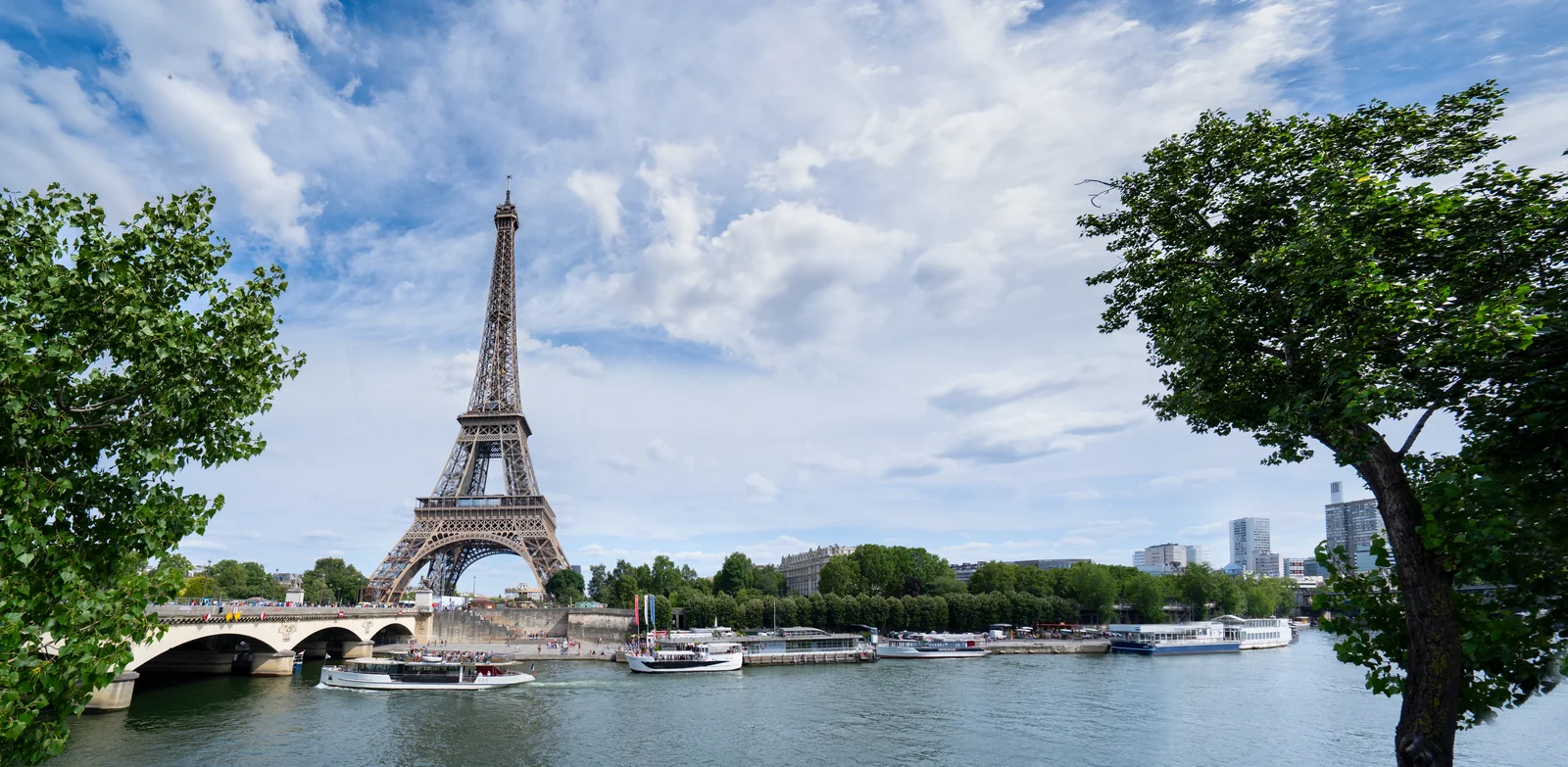
Planning a trip to Paris? This guide brings together the city’s essential sights, practical transport advice and the details worth knowing before you go. If you want to get your bearings with a local from day one, start with a GuruWalk in Paris.
The Eiffel Tower
See Paris from the Eiffel Tower and the Seine



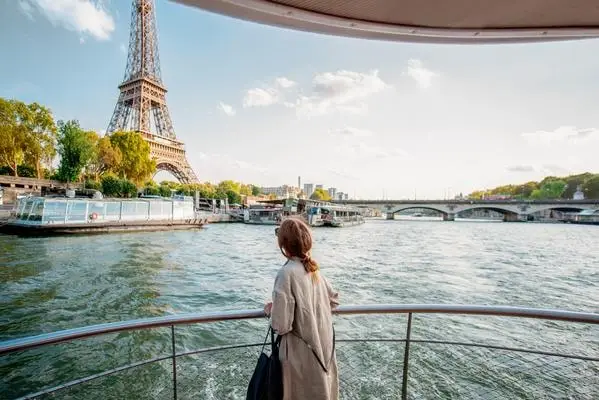
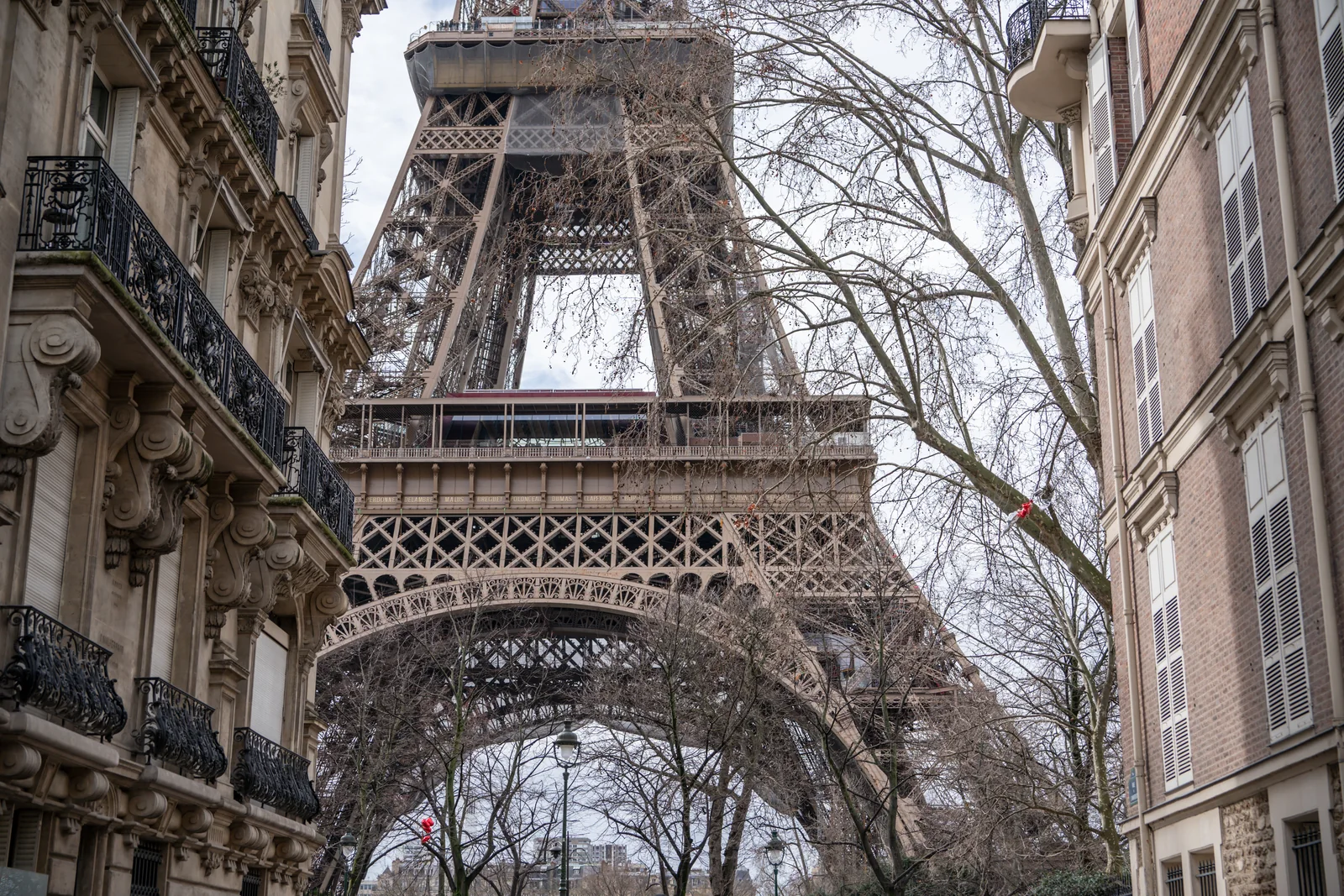
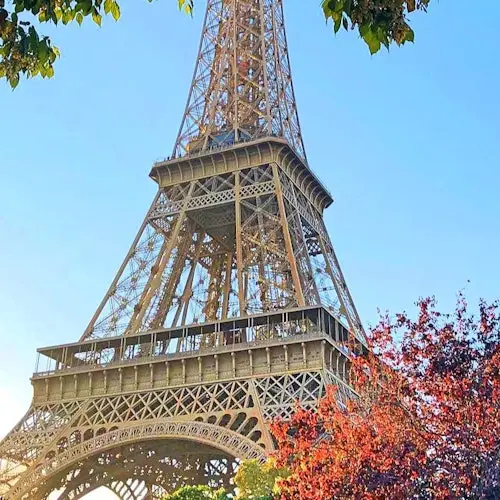
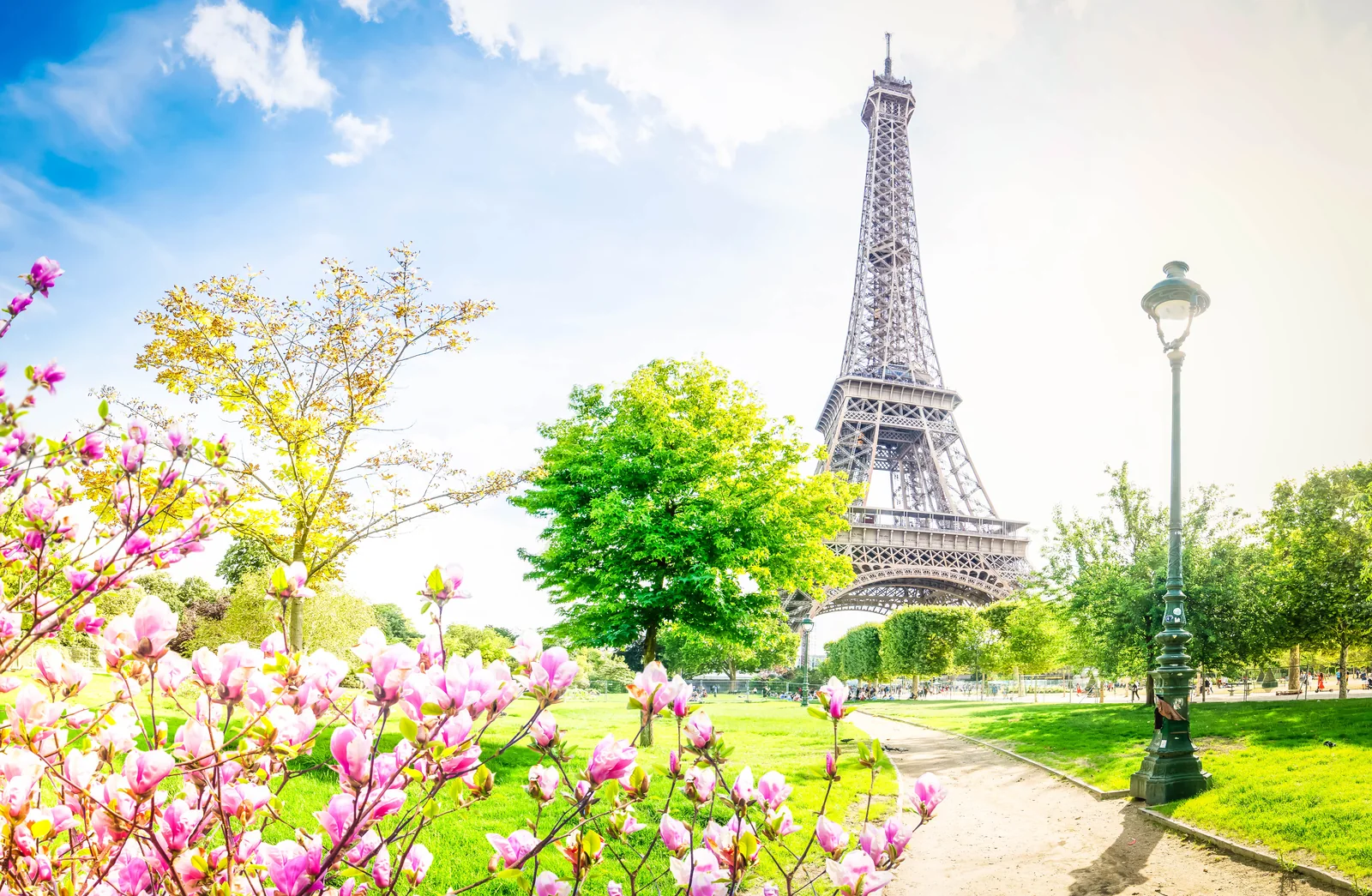
Built for the 1889 World’s Fair, the Eiffel Tower is one of the most visited monuments on the planet. Its iron structure rises 330 metres above the Champ de Mars and has become the defining feature of the Paris skyline.
Gustave Eiffel designed the tower, which took two years to build. It was controversial from the start: many artists of the day considered it monstrous. Time, of course, had other ideas.
The Louvre Museum
Explore the Louvre with an expert guide


The Louvre opened as a museum at the end of the 18th century. Today it is France’s leading museum and one of the busiest in the world, welcoming more than eight million visitors a year. Its collections span from antiquity to 1848.
The museum occupies a former 12th-century fortress that was extended repeatedly. Before it became a museum, monarchs including Charles V and Philip II used the palace as a royal residence and a home for their art collections.
Usual opening hours are 9:00 am–6:00 pm on Monday, Thursday, Saturday and Sunday, and 9:00 am–9:00 pm on Wednesday and Friday. The museum is closed on Tuesdays. Check the official site for room closures before your visit.
Notre-Dame: Paris’s Gothic masterpiece
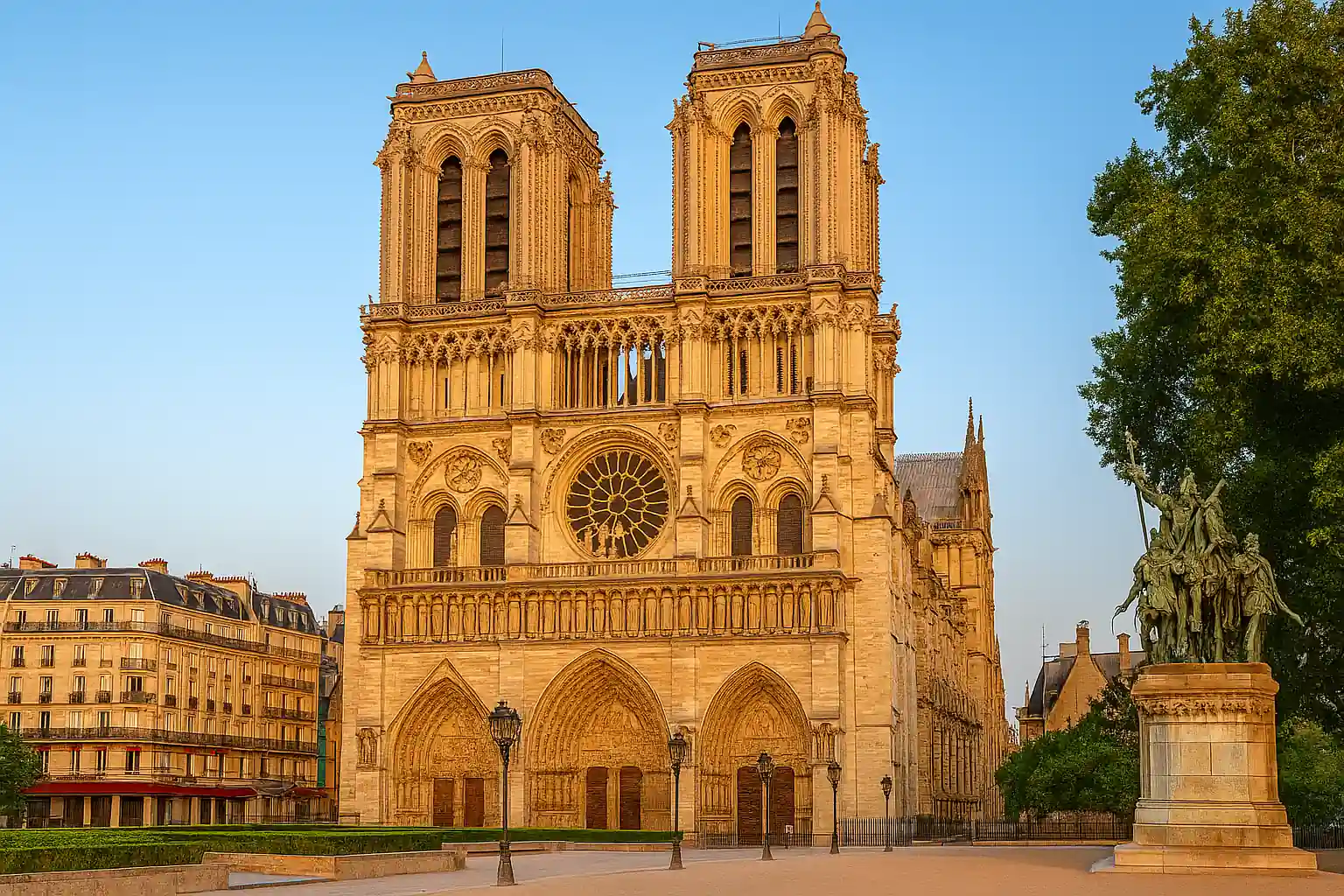
Notre-Dame is one of the world’s great Gothic cathedrals—and one of the oldest. Built between 1163 and 1345, its name means “Our Lady”, and the cathedral is dedicated to the Virgin Mary.
Notre-Dame reopened for worship on 8 December 2024. The tower route reopened to visitors on 20 September 2025; advance booking is recommended.
The Arc de Triomphe
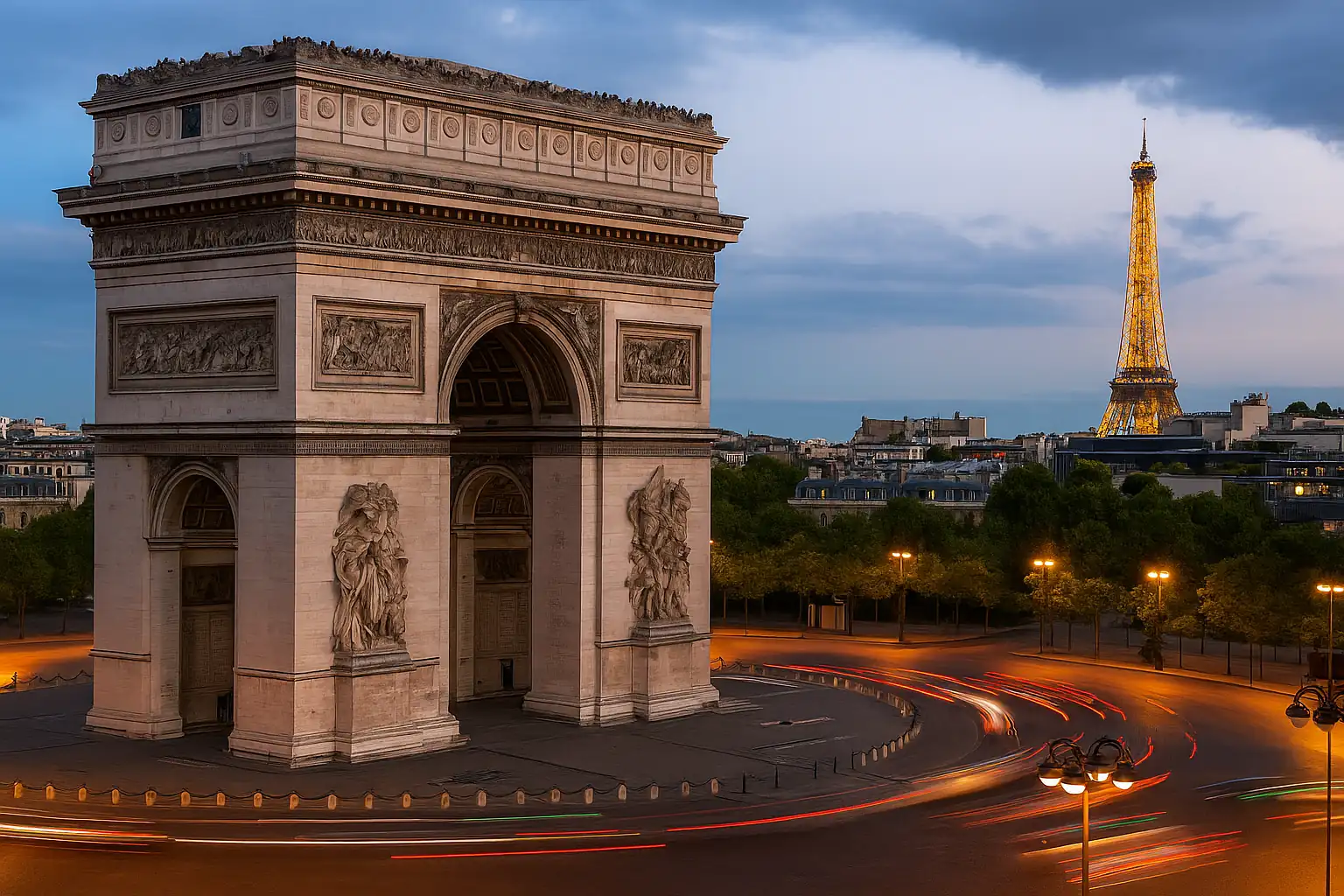
Alongside the Eiffel Tower, the Arc de Triomphe is one of Paris’s most recognisable monuments. Standing 50 metres high on a base measuring 45 by 22 metres, it celebrates the victories of Napoleon’s French army.
Construction took 30 years. Napoleon commissioned the arch in 1806 after the Battle of Austerlitz, and it was completed under Louis-Philippe. It later witnessed major moments in French history, including the return of Napoleon’s remains in December 1840 and military parades after both world wars, in 1919 and 1944.
The Panthéon
Built between 1764 and 1790 in the Latin Quarter, the Panthéon was conceived as a meeting point between the simplicity of Gothic architecture and the grandeur of classical Greek design.
The building has served different patriotic and religious purposes depending on France’s political regime. Its dome dominates Montagne Sainte-Geneviève, while the crypt houses a mausoleum for celebrated figures of the French Republic, including Victor Hugo and Marie Curie.
- The vast, richly decorated interior.
- The crypt and its memorials.
The Latin Quarter

One of the liveliest and most visited parts of Paris, the Latin Quarter takes its name from the medieval students who used Latin to communicate. A walk here reveals how central student life has been to the city: the area became a focal point for influential political movements in the 19th and 20th centuries, including the May 1968 protests.
Latin Quarter highlights
- 🏛️ Sorbonne University: see the historic home of this prestigious institution.
- 📚 Historic bookshops: Shakespeare and Company is a classic stop.
- ☕ Historic cafés: Le Procope and Le Rostand.
- 🌿 Gardens: the Luxembourg Gardens and Jardin des Plantes.
- 🍷 Nightlife: Rue de la Huchette and the surrounding streets.
Montmartre
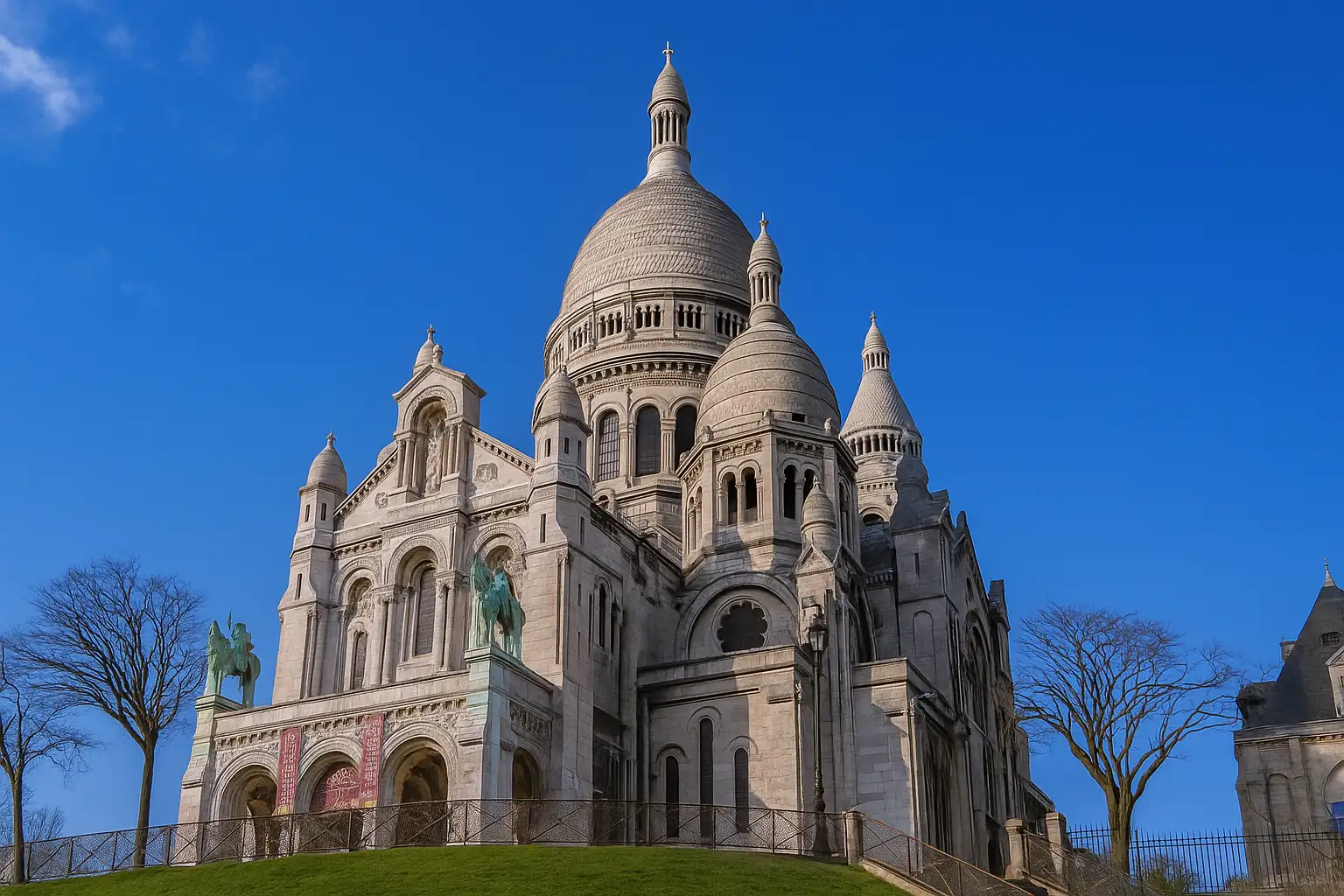
Set on a 130-metre hill, Montmartre gives Paris some of its most distinctive character. Known as the artists’ quarter, its steep lanes and village-like streets feel a world away from the grand boulevards below. Montmartre remained an independent commune until 1860, when it became part of Paris’s 18th arrondissement.
The best of Montmartre
- 🎨 Place du Tertre: the artists’ square, ideal for a portrait or a piece of local art.
- ⛪ Sacré-Cœur: the hilltop basilica with sweeping views of Paris.
- 🎭 Moulin Rouge: the world’s most famous cabaret.
- 🍷 Le Consulat: a historic and photogenic café.
- 🚡 The funicular: an alternative to the 222 steps up to the basilica.
Les Invalides
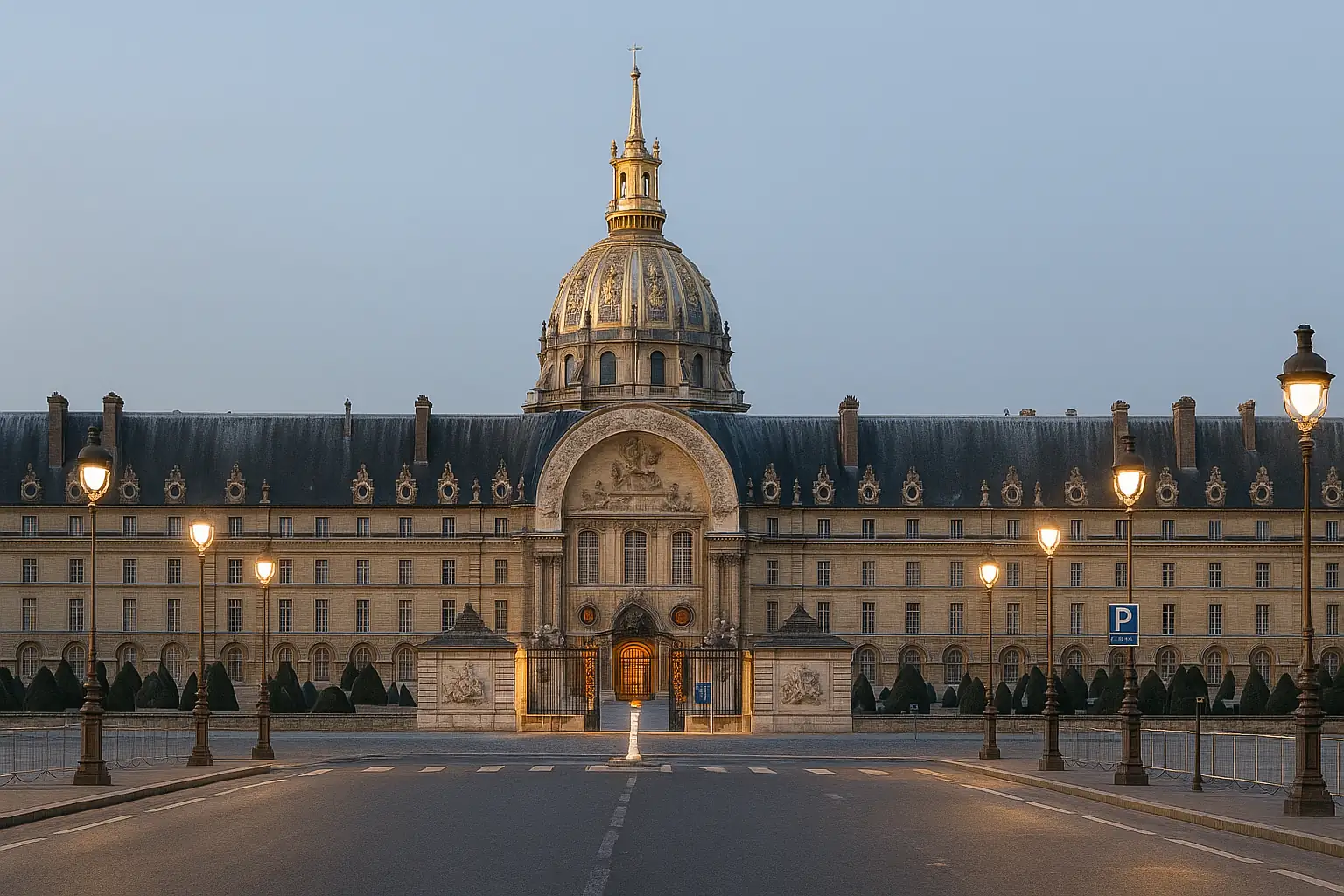
Les Invalides is one of Paris’s major monuments and the resting place of Napoleon Bonaparte. The vast 17th-century complex was built as a home for retired French soldiers.
The first residents arrived in 1674, and their number exceeded 4,000 by the end of the century. Soldiers who had served for more than ten years could retire here, where they studied and carried out practical work such as repairing shoes and uniforms.
The Champs-Élysées
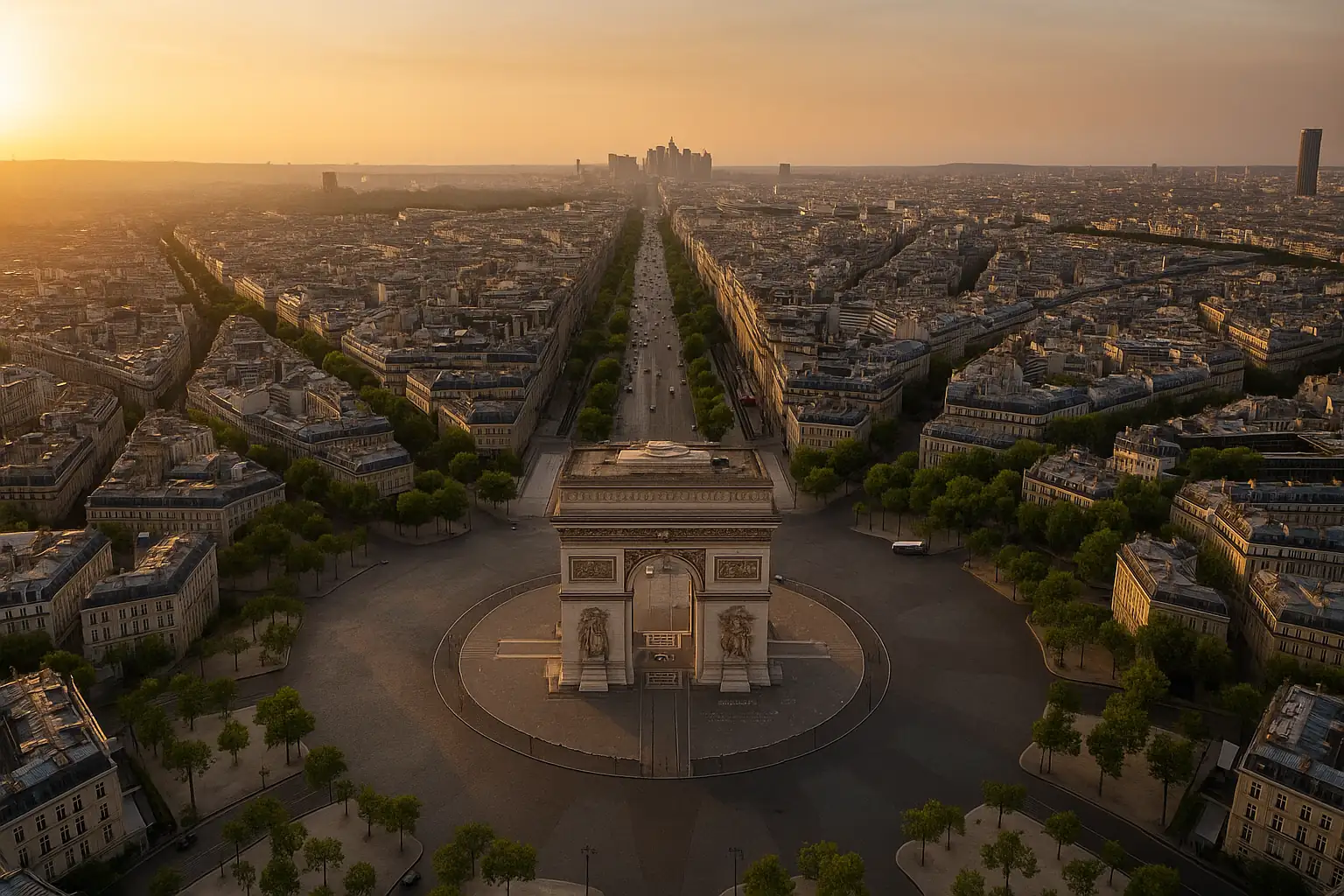
The Champs-Élysées is Paris’s most famous avenue. André Le Nôtre laid out its route in 1667 as an extension of the Tuileries Gardens, and its name comes from the Elysian Fields of Greek mythology.
The avenue has two distinct sections. Its lower end is bordered by gardens and landmark buildings, including the Palais de la Découverte, the Petit Palais and the Grand Palais.
The Palace of Versailles
Plan a day trip to Versailles
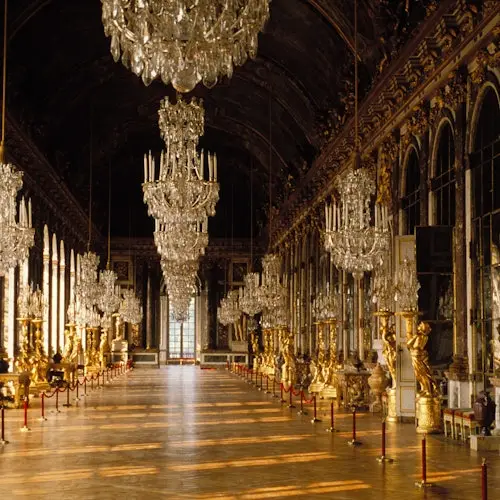
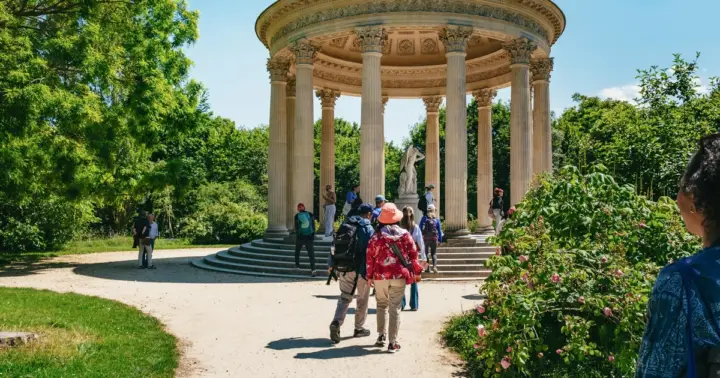

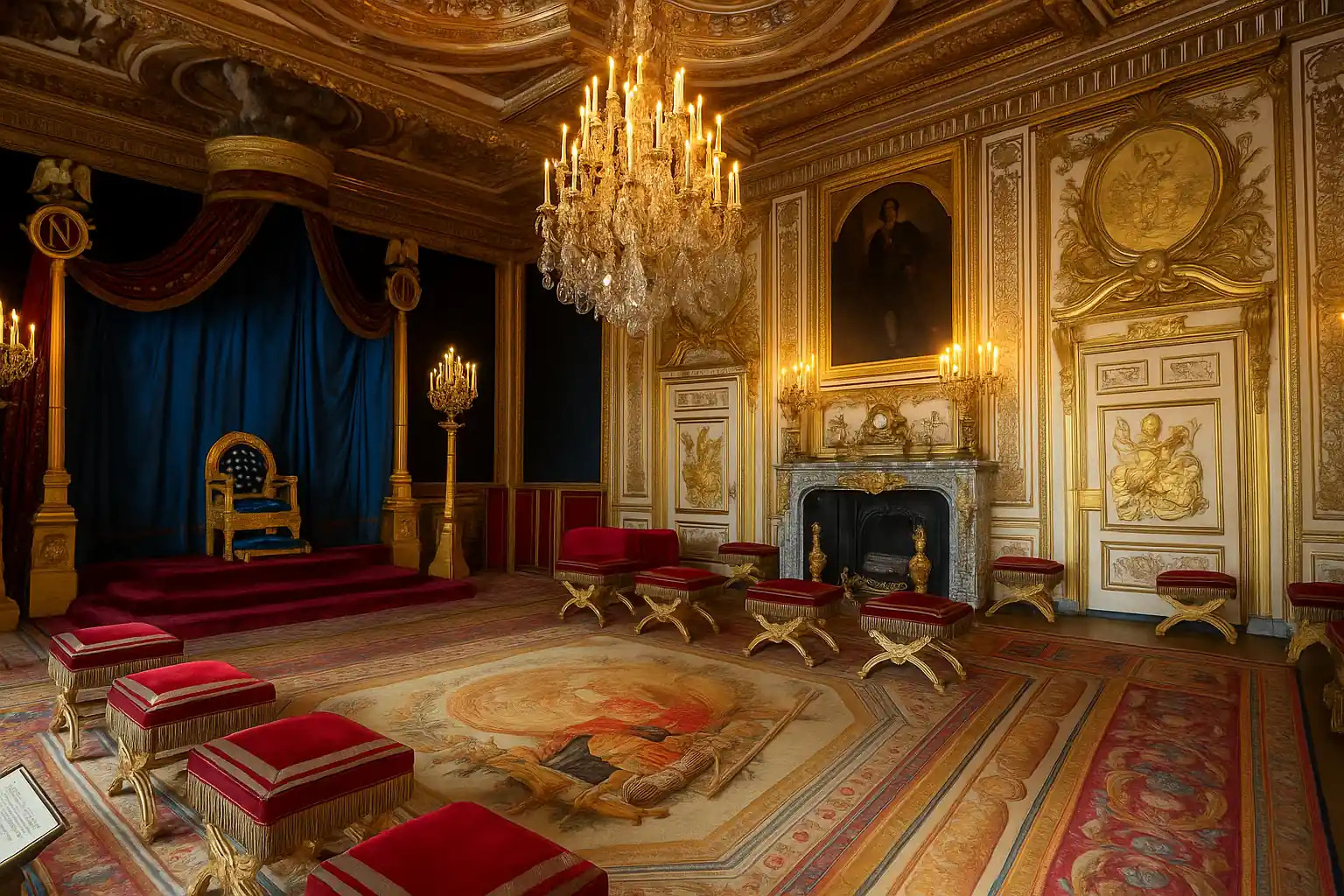
With its monumental architecture and more than 800 hectares of gardens, the Palace of Versailles combines spectacle, culture and French history on a grand scale.
A UNESCO World Heritage Site, it is one of the world’s best-known palaces. Its formal gardens and lavish interiors are remarkable in their own right, but Versailles matters just as much for the role it played in the history of France.
Île de la Cité
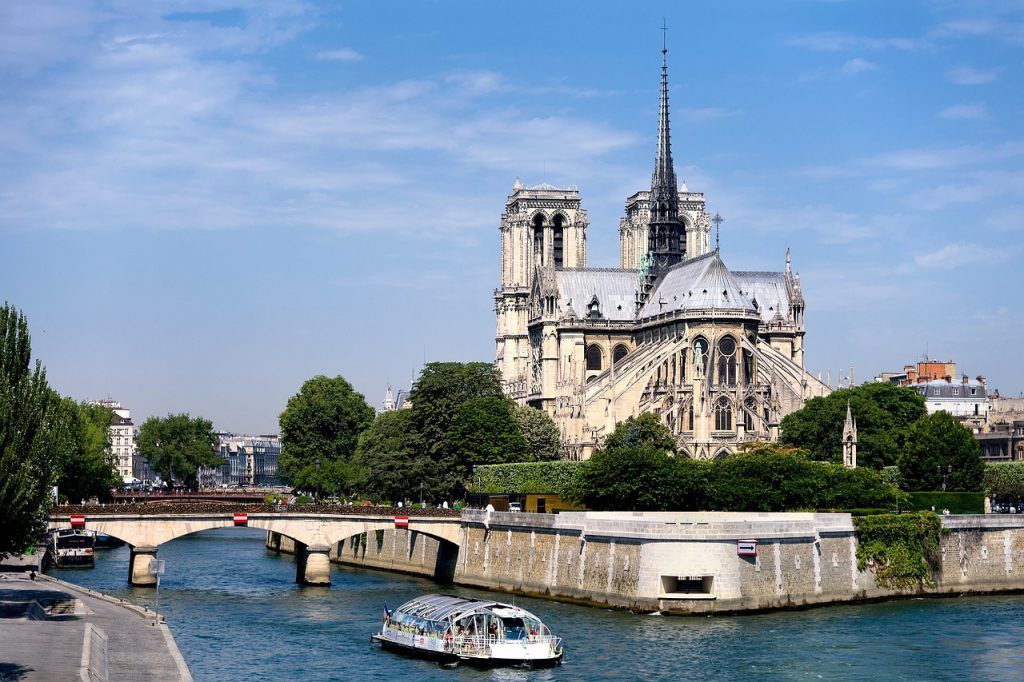
Île de la Cité is the historic heart of the capital and the place where Paris began. The Gallic Parisii established a settlement here in the 3rd century BC; after 52 BC, Roman Lutetia developed around it.
Palais Garnier
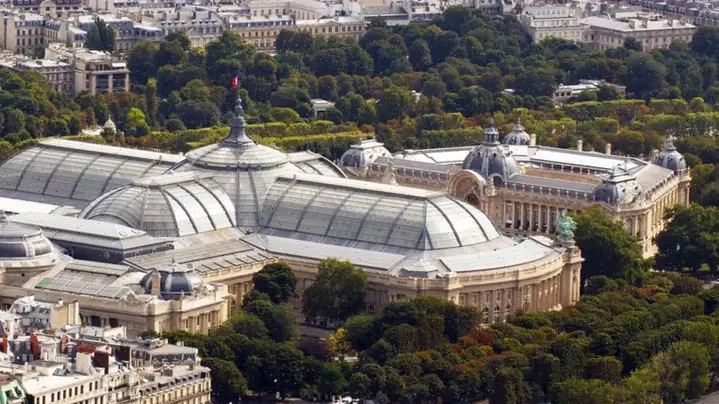
This imposing 19th-century Neo-Baroque opera house inspired The Phantom of the Opera. It was designed by the young architect Charles Garnier, who won the competition launched by Napoleon III for a new home for the opera.
Sacré-Cœur: the sacred heart of Montmartre
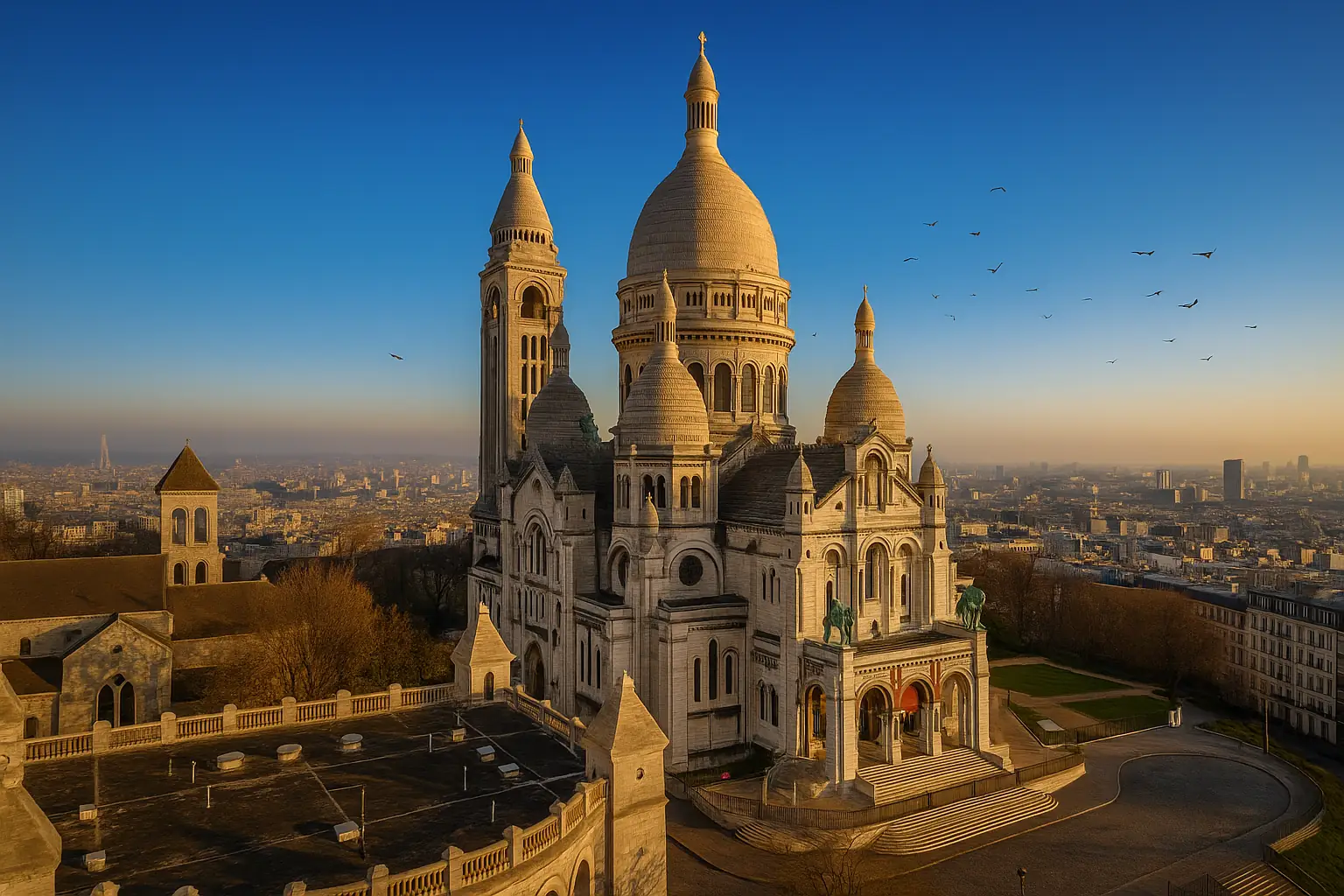
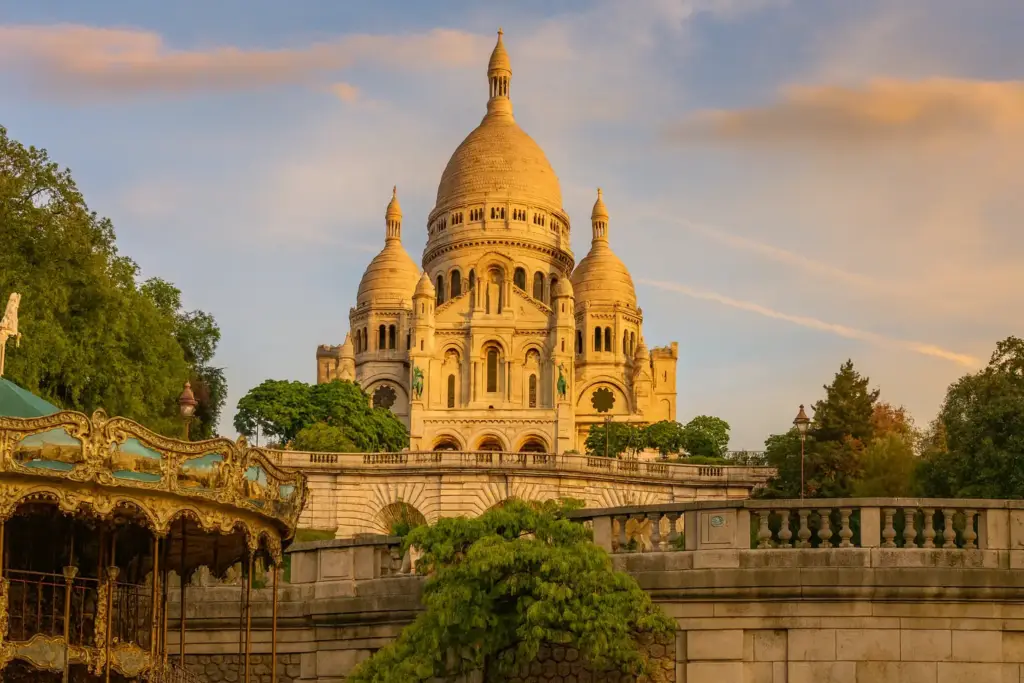
At the top of Montmartre’s 130-metre hill stands the Basilica of the Sacred Heart, one of the most important religious sites in Paris and a superb viewpoint over the city.
Designed by Paul Abadie, the basilica was begun in 1875 and completed in 1914. You can climb to the dome and visit the crypt, although the Arc de Triomphe and Eiffel Tower offer other memorable viewpoints across Paris.
Sainte-Chapelle
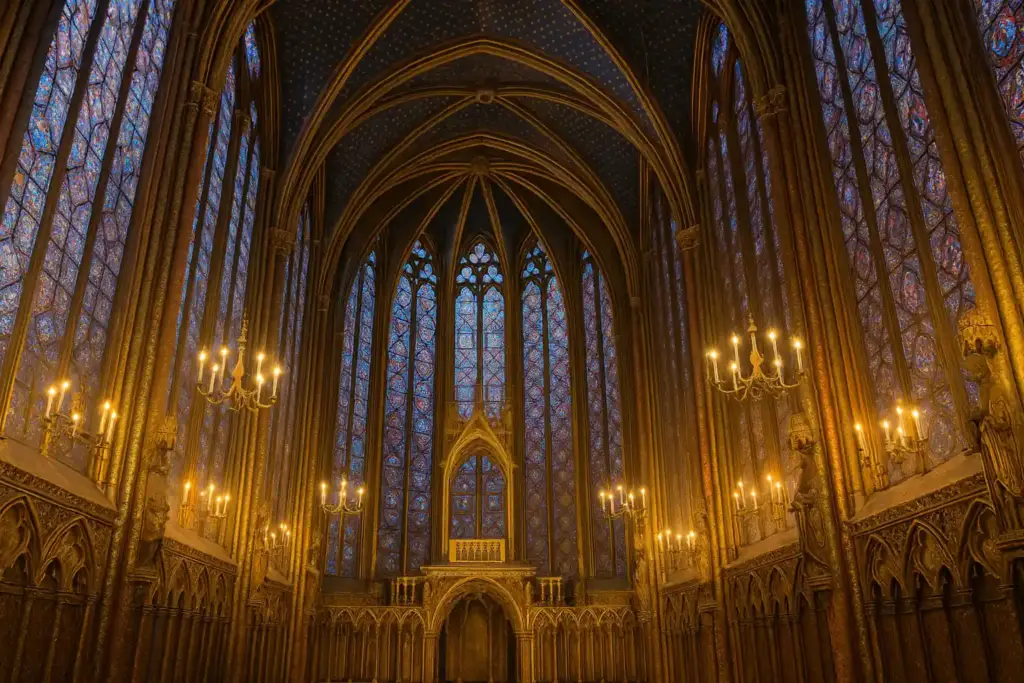
Sainte-Chapelle is a jewel of Gothic architecture, celebrated for walls that seem to dissolve into stained glass. Built between 1242 and 1248 on Île de la Cité, it was intended to house relics of the Passion of Christ, including the Crown of Thorns and a fragment of the True Cross.
The sanctuary has two levels. The king and his court used the luminous upper chapel, where the relics were kept, while palace staff worshipped in the smaller, darker lower chapel.
Musée d’Orsay
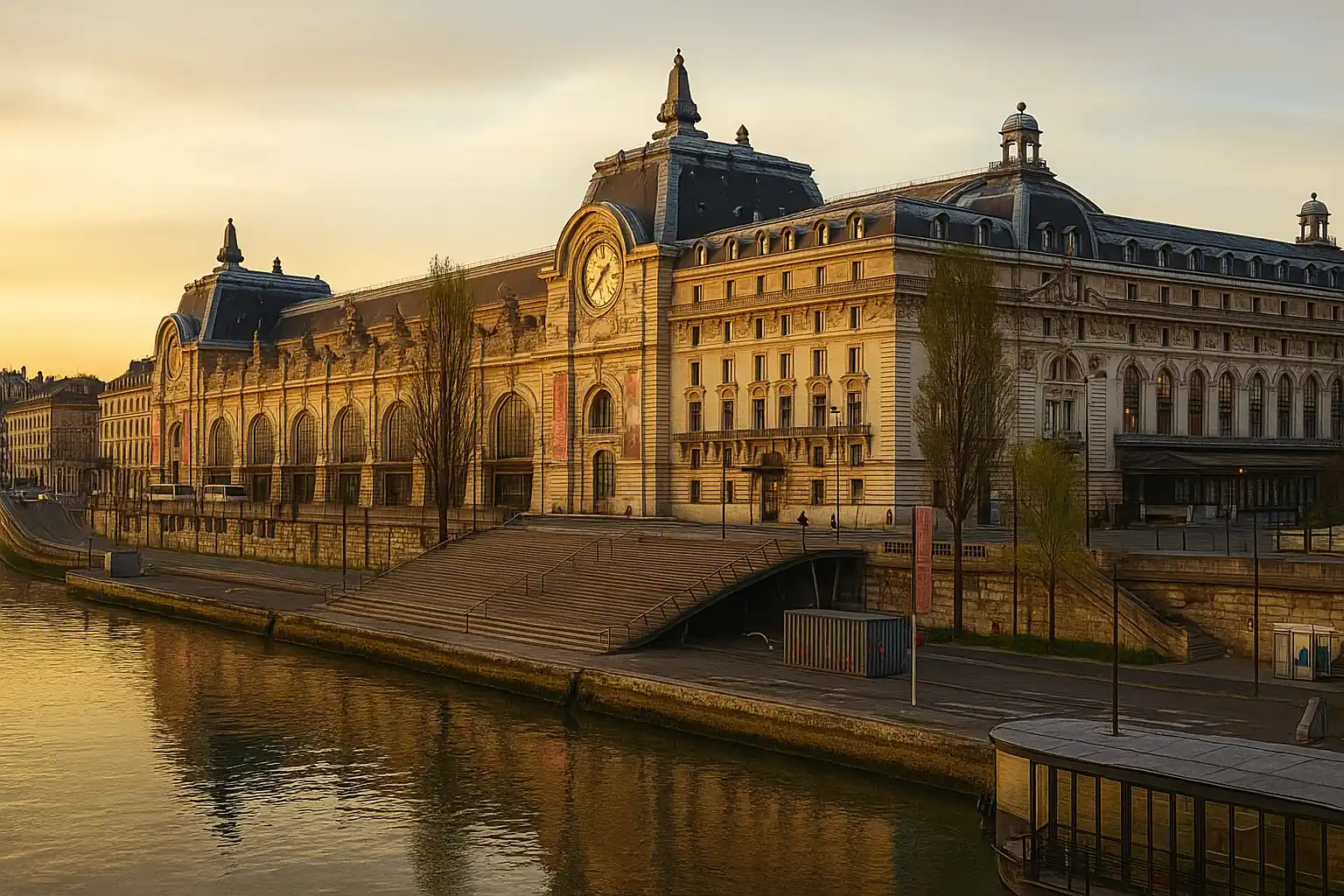
The Musée d’Orsay occupies a former railway station opened for the 1900 Paris Exposition. After decades of decline and the threat of demolition, plans to turn it into a museum took shape in 1977; the museum opened in 1986.
Its collection is especially strong in Impressionist and Post-Impressionist painting, alongside sculpture, architecture and decorative arts. The museum stays open until 9:45 pm on Thursdays, when it is often quieter. Entry is free on the first Sunday of the month with a reservation, and for EU/EEA citizens under 26.
How to get to Paris
Flying is the most common way to reach Paris. Low-cost airlines can make the French capital surprisingly affordable, but the best airport and transfer depend on where you are travelling from.
Paris airports
- ✈️ Charles de Gaulle (CDG):
- RER B to Gare du Nord, Châtelet–Les Halles or Saint-Michel–Notre-Dame: €13, around 35–45 minutes.
- RoissyBus to Opéra: €13, around 60–75 minutes, operating daily.
- Fixed taxi fare: €56 to the Right Bank or €65 to the Left Bank; allow roughly 40–60 minutes depending on traffic.
- ✈️ Orly (ORY):
- Métro line 14 to Châtelet–Les Halles or Saint-Lazare: €13, around 25–30 minutes.
- RER B plus Orlyval via Antony: €13, around 30–35 minutes.
- Tram T7 plus Métro line 7: one €2 Bus–Tram ticket plus one €2.50 Métro–Train–RER ticket; around 45–60 minutes.
- Fixed taxi fare: €45 to the Right Bank or €36 to the Left Bank; allow roughly 25–45 minutes.
- ✈️ Beauvais (BVA):
- A low-cost airport around 80 km from Paris.
- The official shuttle to Paris–La Villette costs €17.90 and takes around 75–90 minutes.
- Continue towards central Paris on Métro line 7 from Porte de la Villette or via other connecting lines.
Useful 2025 note: the €13 Paris Region–Airports ticket covers RER, train, Métro and Orlyval travel to or from CDG and ORY, but not RoissyBus. OrlyBus stopped operating on 3 March 2025; use line 14, RER B plus Orlyval, or T7 instead.
Other ways to reach Paris
- 🚂 Train:
- Eurostar from London takes about 2 hours 17 minutes; arrive early for pre-departure checks.
- Eurostar (formerly Thalys) takes about 1 hour 22 minutes from Brussels and about 3 hours 20 minutes from Amsterdam.
- TGV services link Paris with major French cities. Lyon takes roughly 1 hour 45 minutes to 2 hours 10 minutes, with routes also serving Marseille, Bordeaux, Rennes and Strasbourg.
- Main stations include Gare du Nord, Gare de Lyon, Montparnasse, Gare de l’Est, Austerlitz and Saint-Lazare.
- 🚌 Coach:
- Operators include FlixBus, BlaBlaBus and others.
- Paris Bercy-Seine at 210 Quai de Bercy is the main terminal, served by Métro lines 6 and 14, though some routes use other stops.
- Coaches are usually economical but take longer.
- 🚗 Car:
- France has an excellent motorway network, but tolls can be high on long journeys.
- Paris has a low-emission zone: a Crit’Air sticker is required and restrictions depend on the vehicle category.
- Public car parks generally cost €25–35 per day, while on-street spaces are limited.
Getting around Paris
- 🚇 Métro:
- 16 lines and more than 300 stations, with frequent services.
- Approximate operating hours are 5:30 am–1:15 am, extending to 2:15 am on Friday and Saturday nights and the evenings before public holidays.
- A Métro–Train–RER ticket costs €2.50 per journey across the region, excluding airports.
- The traditional booklet of ten tickets was withdrawn in 2025; load individual tickets onto Navigo Easy or a compatible phone.
- 🚌 Bus:
- An extensive daytime network is complemented by Noctilien night buses, roughly from 11:45 pm to 6:00 am.
- A Bus–Tram ticket costs €2 and allows transfers for 90 minutes, but is not valid on RoissyBus.
- 🚲 Vélib’:
- More than 1,400 docking stations and a mix of conventional and electric bikes.
- A classic 24-hour pass costs €5, an electric 24-hour pass €10, and a three-day electric pass €20.
For a multi-day visit, the one-to-five-day Paris Visite pass offers unlimited transport; zones 1–5 include CDG, Orly and Orlyval. For occasional journeys, use Navigo Easy with individual €2.50 Métro/RER tickets or €2 Bus/Tram tickets. The €13 airport ticket covers RER, Métro and Orlyval journeys to and from CDG and ORY.
Best free tours in Paris
A free tour is an easy way to understand how the landmarks and neighbourhoods fit together. Paris has routes through the historic centre, Montmartre, the Latin Quarter and Le Marais, along with themed walks focused on art, the Second World War and the city’s darker stories. Tour schedules, languages, ratings and availability change, so check the live listings before choosing.
Frequently asked questions about visiting Paris
When is the best time to visit Paris?
Spring, from April to June, and autumn, from September to October, usually bring pleasant weather and fewer visitors. Summer can be very busy and more expensive, while winter is cold but atmospheric around Christmas.
How many days do you need in Paris?
Allow at least three or four days for the main sights. A week gives you time to explore at a gentler pace and add day trips to places such as Versailles or Disneyland Paris.
Is Paris safe for tourists?
Paris is generally safe for visitors, but take the usual precautions against pickpockets, particularly around major attractions and on public transport. Keep an eye on your belongings and avoid isolated areas late at night.
Where is the best area to stay in Paris?
Popular, well-connected choices include Le Marais in the 3rd and 4th arrondissements, the Latin Quarter in the 5th, Saint-Germain-des-Prés in the 6th and the Champs-Élysées area in the 8th. Each has a different character, so choose according to the atmosphere you want.
Do you need to speak French in Paris?
No, but a few basic French phrases are always appreciated. English is widely understood in hotels, restaurants and the main visitor areas.
Prices, opening hours and access conditions in this guide reflect information stated as current in October 2025. They may change because of public holidays, building work or new regulations. Always check the relevant official website before visiting.

GuruWalk
Tourism and travel expert with a strong background in creating cultural content. Fluent in multiple languages and experienced as a presenter, she connects with diverse audiences to inspire the exploration of unique destinations. Her creative and dynamic approach stands out in every project, conveying the essence of each place she discovers.