



Explore Santiago de Chile through Plaza de Armas, Cerro San Cristóbal, Lastarria, museums, hilltop viewpoints and escapes beyond the city.
 Julieta Betancor
GuruWalk
·
Updated 27 Aug 2026
Julieta Betancor
GuruWalk
·
Updated 27 Aug 2026Santiago de Chile is a city of contrasts: historic squares sit beneath glass towers, creative neighbourhoods spill into leafy parks, and the Andes frame the skyline on clear days. This guide brings together the places that help you understand the Chilean capital, from its civic heart and major museums to hilltop viewpoints and easy escapes beyond the city.
One of the best ways to get your bearings is to join a free walking tour in Santiago de Chile. A local guide can give context to the landmarks, introduce you to the city’s neighbourhoods and share practical ideas for the rest of your stay.
Start at the Plaza de Armas, the historic centre of Santiago. The square is surrounded by landmarks including the Metropolitan Cathedral and the former Central Post Office, making it a natural place to begin exploring the city’s colonial and republican history.
Continue to the La Moneda Palace, the seat of Chile’s presidency. Its restrained neoclassical façade faces the Plaza de la Ciudadanía. Ceremonies and access arrangements can change, so check current information locally if you want to see the changing of the guard or visit the cultural centre beneath the square.
From there, walk towards the National Museum of Fine Arts on the edge of Parque Forestal. The museum’s collection and the grand early-20th-century building provide a useful introduction to Chilean and Latin American art.
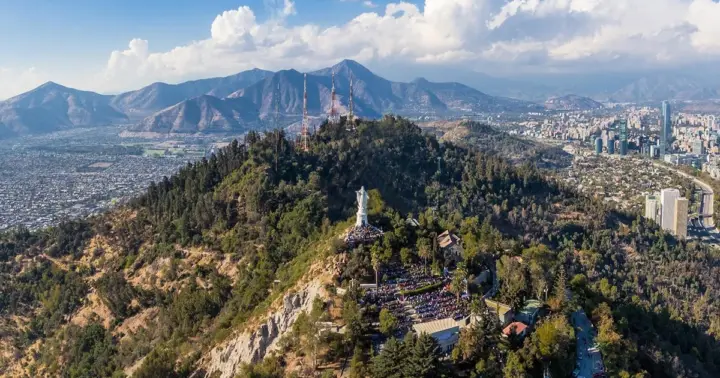
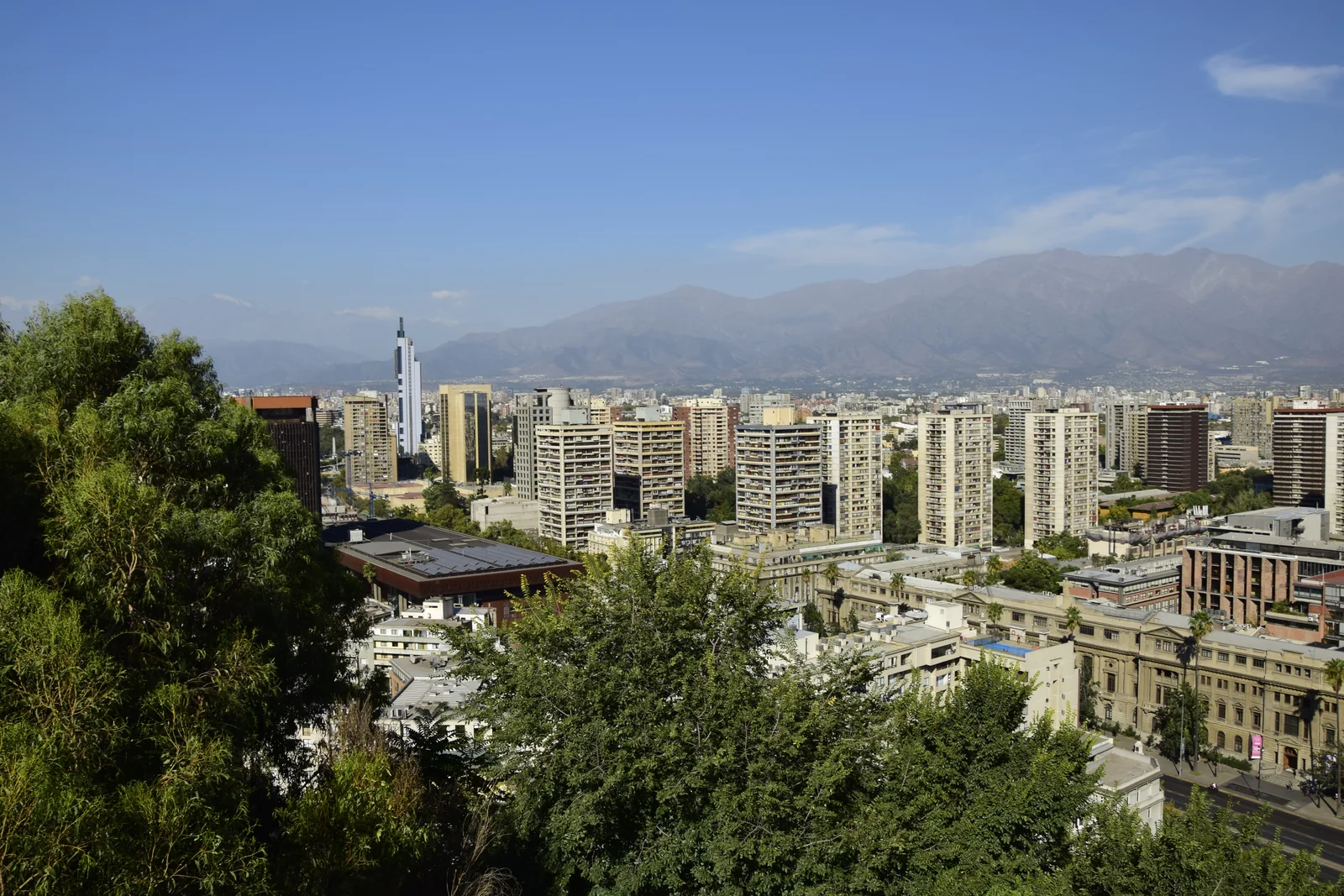
Finish the morning on Cerro San Cristóbal. Part of Santiago Metropolitan Park, the hill offers broad views across the city towards the Andes. You can reach the upper areas by funicular, cable car or on foot, depending on current operating conditions.
After lunch, explore Bellavista, a colourful neighbourhood known for street art, cultural venues, cafés and nightlife. Nearby, La Chascona offers a more intimate look at the world of poet Pablo Neruda.
The Museum of Memory and Human Rights is farther west, beside Quinta Normal. It deserves unhurried time: its exhibitions address the human-rights violations committed during Chile’s military dictatorship and the importance of memory and democratic values.
If you would rather stay in the centre, stop at the Central Market and then walk through Lastarria and Parque Forestal. For sunset, Sky Costanera offers a high-level panorama of Santiago and the mountains, although visibility and admission conditions vary.
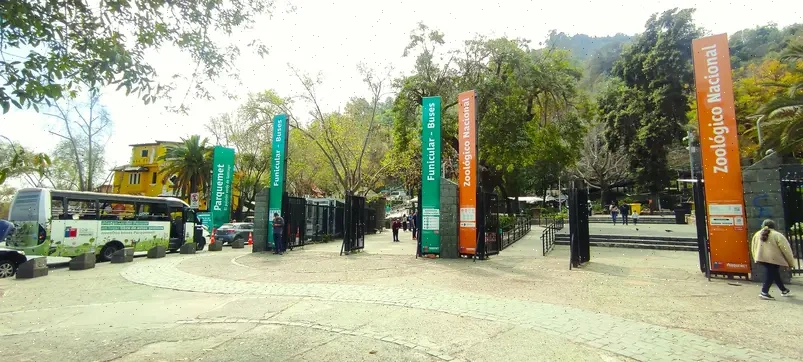
Cerro San Cristóbal rises above central Santiago as part of the vast Metropolitan Park. At roughly 880 metres above sea level, it is one of the city’s most recognisable viewpoints and a popular place for walking, cycling and spending time outdoors without leaving the urban area.
Near the summit stands the 14-metre statue of the Virgin Mary, a religious and cultural landmark visible from many parts of the city. On a clear day, the terraces provide sweeping views of Santiago and the Andes. Funicular and cable-car hours, maintenance closures and ticket arrangements are operational details, so confirm them shortly before your visit.
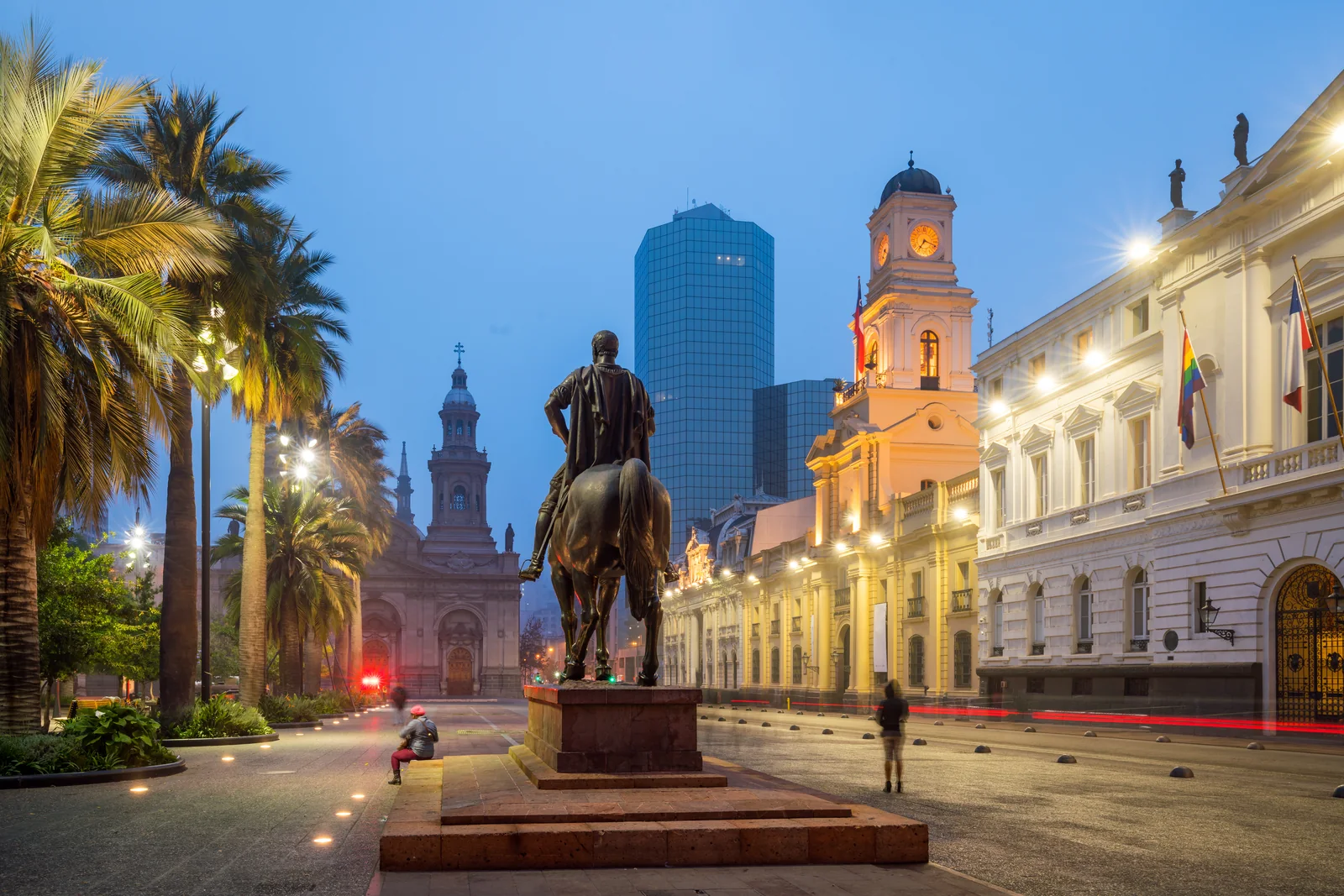
The Plaza de Armas has been the civic heart of Santiago since the 16th century. Its arcades, monuments and surrounding buildings bring together several layers of the city’s history, while the square itself remains a busy meeting place for residents and visitors.
Look around the Metropolitan Cathedral, the former Central Post Office and the historic façades facing the square. Cultural events, public celebrations and street activity regularly change its atmosphere, so it is worth passing through at different times of day.

Construction of La Moneda began in 1784 and was completed in 1805. The building was originally the Royal Mint, which explains its name, and later became the seat of Chile’s government. It has witnessed some of the most consequential episodes in the country’s modern history.
The white neoclassical façade and the open Plaza de la Ciudadanía make the palace easy to appreciate from outside. The Centro Cultural La Moneda sits beneath the square and hosts exhibitions and events; programmes, access and opening times should be checked before visiting.

Opened in its current building in 1910, the National Museum of Fine Arts is one of Chile’s principal art institutions. Its collection spans Chilean and wider Latin American art alongside selected European works, while temporary exhibitions bring changing perspectives to the galleries.
The building itself is part of the experience, with an ornate façade and a light-filled central hall beside Parque Forestal. Exhibition rooms, temporary closures and visitor services can change, so consult the museum’s current information rather than relying on fixed schedules.

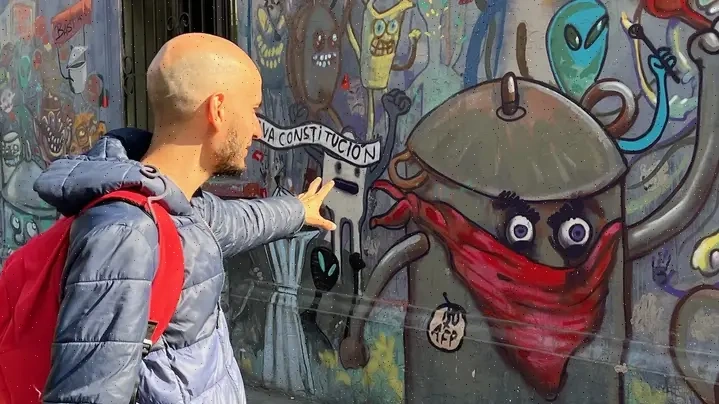
Bellavista is one of Santiago’s best-known bohemian districts. Colourful façades, murals, small cultural spaces, restaurants and bars give the area an energy that changes from daytime to evening. It also sits between the city centre and the entrances to Metropolitan Park.
Walk slowly and look beyond the main nightlife streets: independent art, neighbourhood architecture and local stories are easier to notice away from the busiest blocks. As in any nightlife area, keep an eye on your belongings and plan your return transport after dark.

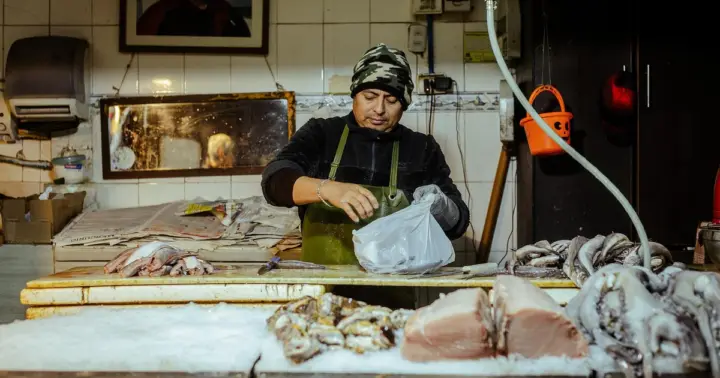
Santiago’s Central Market opened in 1872 and is celebrated for its iron structure as much as for its food. Seafood stalls and restaurants make it a familiar stop for travellers interested in Chilean flavours, while the busy market atmosphere offers a glimpse of everyday commerce in the historic centre.
Menus, prices and opening arrangements vary between businesses. Check what is included before ordering, and explore the surrounding market district if you want a broader view of local produce and trade.

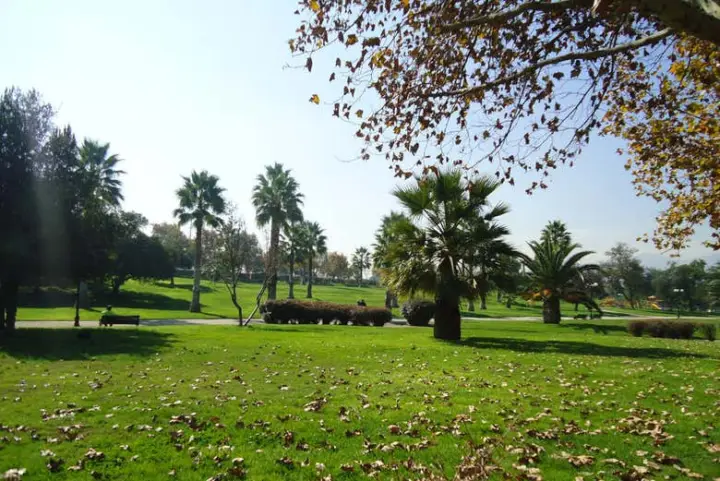
Bicentenario Park stretches through the Vitacura district, offering landscaped lawns, ponds and walking paths against a backdrop of Santiago’s modern skyline. The park was developed around Chile’s 2010 bicentenary and covers about 40 hectares.
It is a pleasant counterpoint to the dense historic centre, particularly for a relaxed walk, a picnic or time with children. Public events and access to individual facilities may vary.

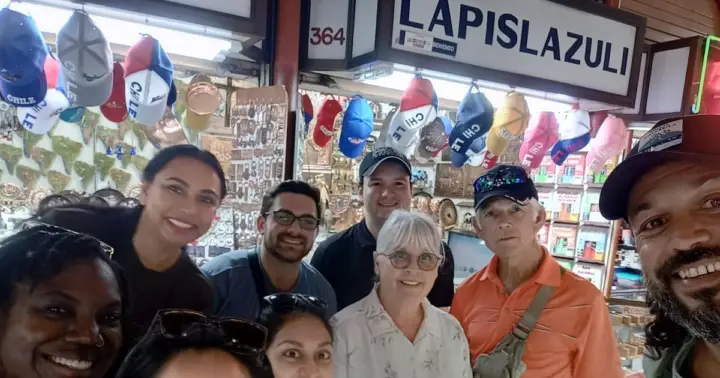
At the foot of the Andes in Las Condes, Pueblito Los Dominicos brings together workshops and shops selling Chilean crafts. Its adobe-style lanes and courtyards create the feel of a small village, making it an easy place to browse ceramics, textiles, jewellery and other handmade work.
The site is close to Los Dominicos metro station, at the eastern end of Line 1. Individual workshops keep their own schedules, so the range of artisans present can differ from one visit to another.
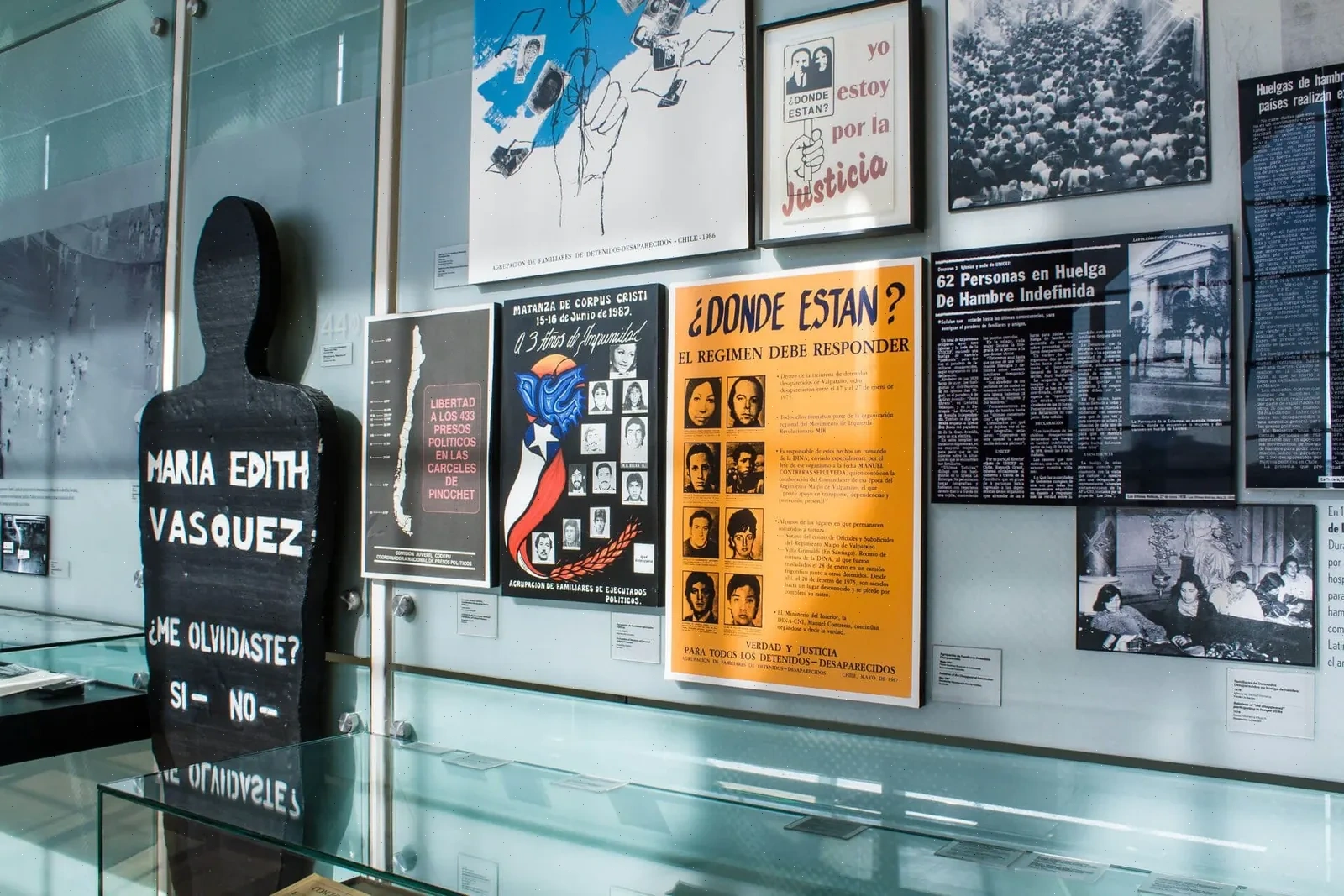
Opened in 2010, the Museum of Memory and Human Rights commemorates the victims of human-rights violations committed during Augusto Pinochet’s dictatorship. Documents, testimonies, photographs and audiovisual material help visitors engage with a painful period in Chile’s recent history.
This is not a museum to rush. Allow time for the permanent exhibition and for reflection, and be aware that some material may be distressing. Temporary programmes and access conditions should be checked before arrival.

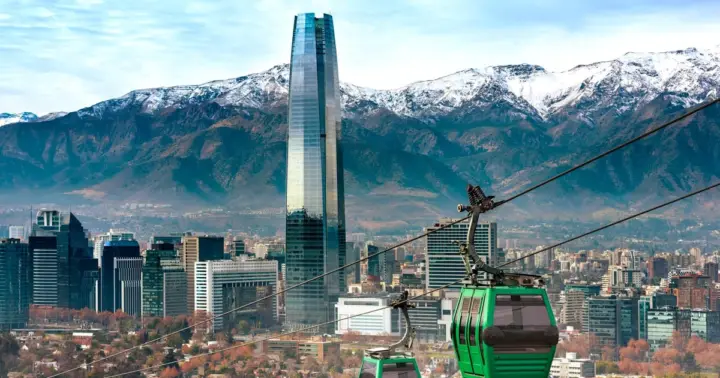
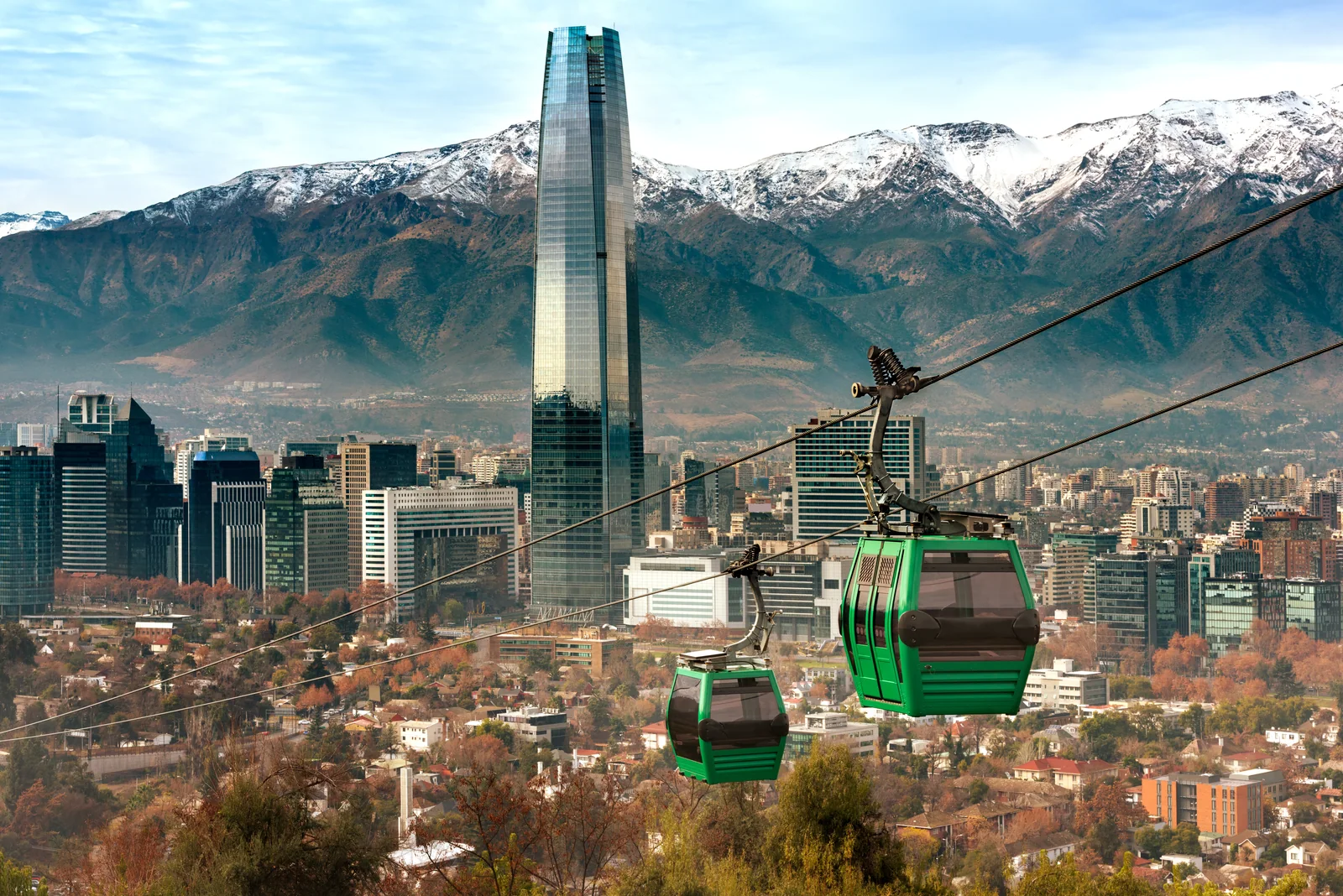
The 300-metre Gran Torre Santiago dominates the Costanera Center complex and the city’s modern skyline. The development combines offices, a hotel and a large shopping centre, but the main attraction for many visitors is the Sky Costanera observation deck on the upper floors.
The panorama stretches across Santiago to the Andes when the air is clear. Weather, haze, opening hours and admission prices all affect the experience, so check the forecast and current visitor information before committing to a time slot.
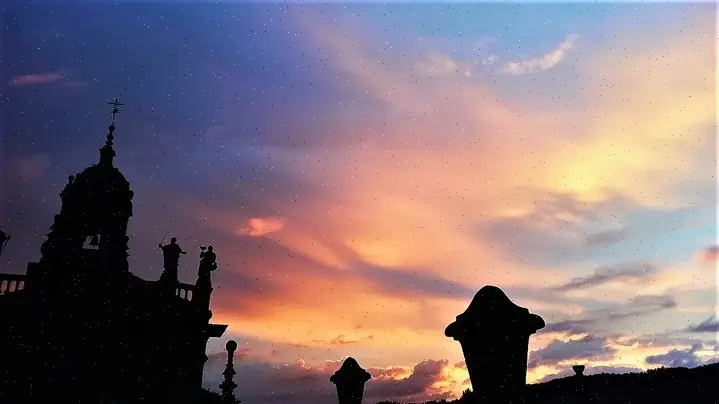
Cerro Santa Lucía is a compact historic hill in the centre of Santiago, close to Lastarria and the Alameda. Known as Huelén by Indigenous peoples, it was renamed by Pedro de Valdivia in 1541. Its stairways, terraces, fountains and viewpoints were extensively reshaped in the 19th century.
Entry has traditionally been free, but gates, routes and opening hours can change with the season, maintenance or public events. Check current municipal information locally and wear shoes suitable for steep, sometimes uneven steps.
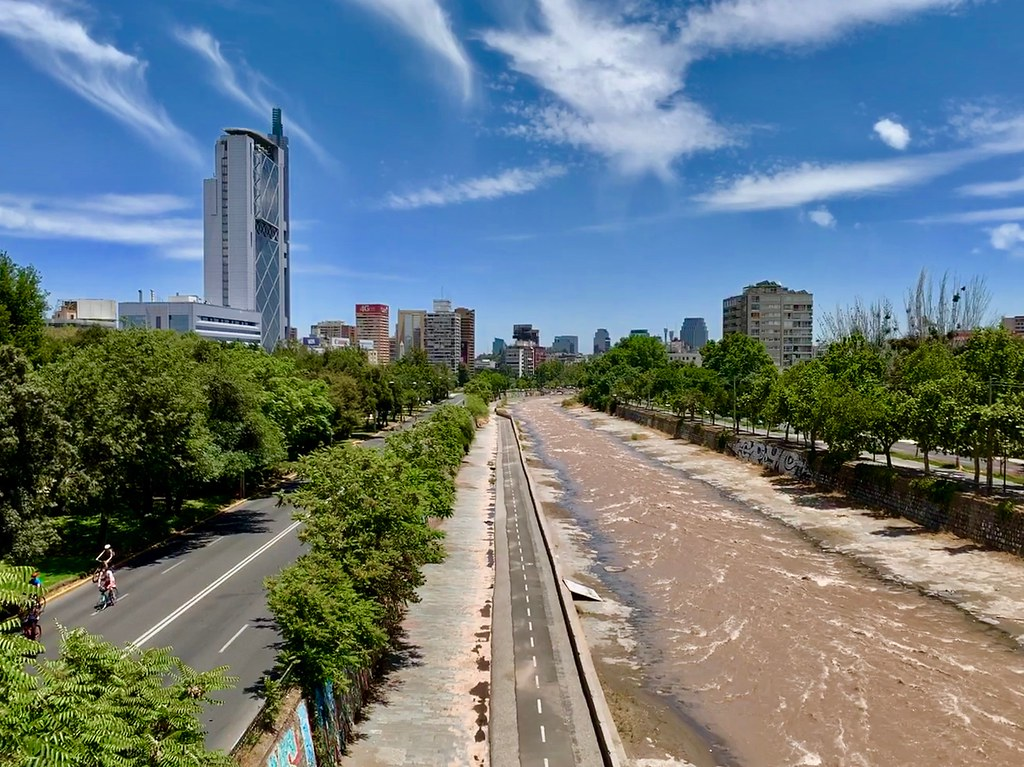
Mapocho Río Park is a major linear green-space project along the river in western Santiago. Opened in stages from 2023, it was designed to reconnect several districts with the Mapocho through paths, recreation areas and new planting across roughly 52 hectares.
The park extends for several kilometres through areas including Cerro Navia and Quinta Normal. Because sections and connections may evolve as the wider project develops, confirm the most convenient access point and transport route for the part you want to visit.
The Bicentenario Cable Car is a public-transport project under construction between Providencia and Huechuraba. The planned line is about 3.2 kilometres long, with three stations and 19 towers. It is designed to cross Metropolitan Park and carry up to 3,000 passengers per hour in each direction.
As of August 2026, Chile’s Ministry of Public Works lists the project as under construction and projects operation in 2027. It is not yet a visitor attraction. Timelines, station names and integration with public transport remain subject to delivery decisions, so consult the official concession page for current progress.

La Chascona, in Bellavista, was built in 1953 for poet Pablo Neruda and Matilde Urrutia. Its name refers to Urrutia’s unruly hair, while the building’s irregular rooms, maritime details and collections reflect Neruda’s imagination and love of objects.
The house is now a museum. Capacity, ticketing, guided visits and opening times can change, so advance planning is sensible, especially in busy travel periods.
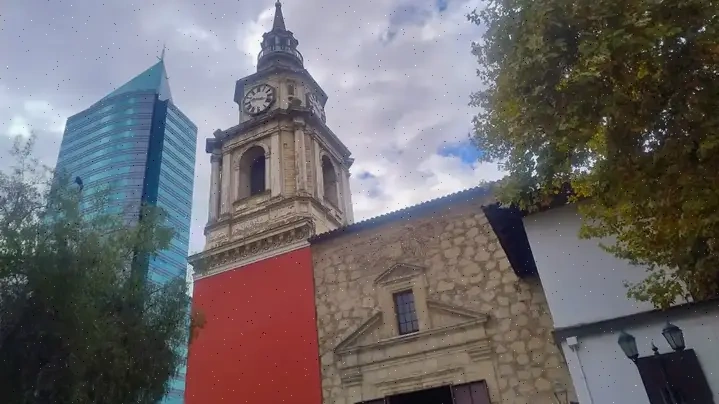
A few steps from the Plaza de Armas, the Chilean Museum of Pre-Columbian Art presents Indigenous art and material culture from across the Americas. Founded in 1981, its displays span thousands of years and regions from Mesoamerica to the southern Andes.
Textiles, ceramics, sculpture and archaeological objects help show both the diversity and the connections between cultures. The museum combines permanent and temporary exhibitions, so verify current galleries, tickets and hours before your visit.

Lastarria and the neighbouring Parque Forestal form one of central Santiago’s liveliest cultural areas. Heritage buildings, independent galleries, bookshops, design stores and pavement cafés make it easy to combine art, food and a relaxed walk in a compact district.
The Gabriela Mistral Cultural Centre (GAM), the Museum of Visual Arts and the National Museum of Fine Arts all sit in or near this corridor. Exhibition and performance programmes change frequently, which is part of the area’s appeal.
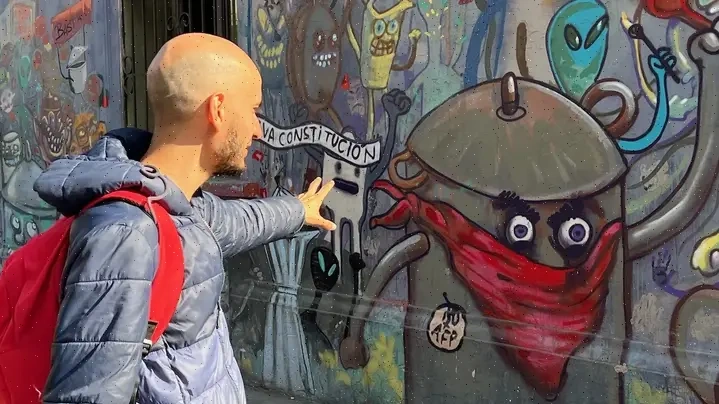
Founded in 1839, Barrio Yungay is one of Santiago’s historic neighbourhoods. Republican-era houses, internal courtyards, small workshops and large murals give its streets a distinct character, while community projects have helped renew local cultural life.
The Gabriela Mistral Museum of Education and the nearby Museum of Memory and Human Rights make useful anchors for a visit. Street art is another highlight, but the stories behind the murals are best understood with local context—one reason a neighbourhood walking tour can be especially rewarding.
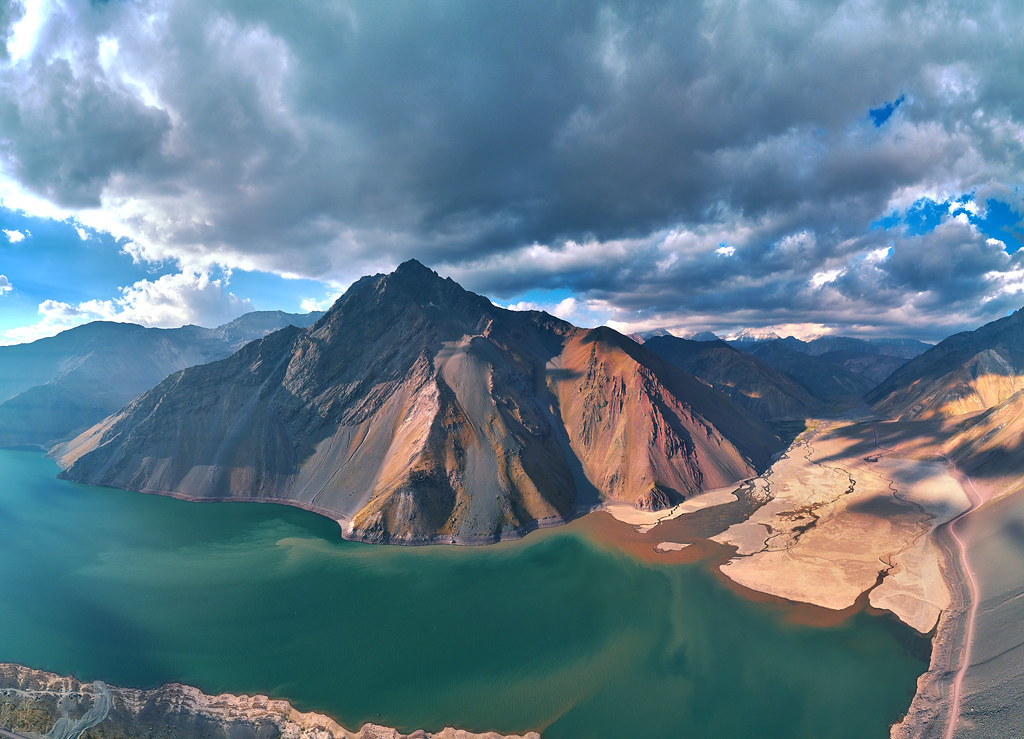
About 70 kilometres from Santiago, Cajón del Maipo is a mountain valley popular for hiking, cycling, rafting, picnics and other outdoor activities. The scenery changes dramatically with the season, and road and weather conditions matter more here than on a city-centre outing.
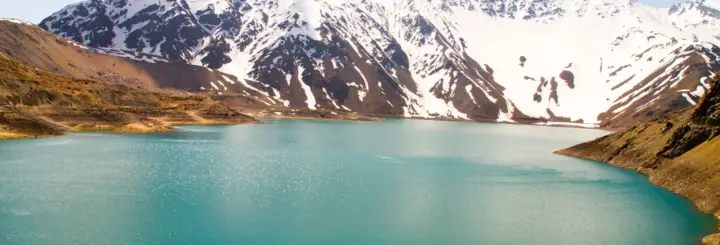
Embalse El Yeso is a turquoise reservoir within this wider Andean landscape and an important source of water for Santiago. Access is highly time-sensitive. As of 25 August 2026, the park authority says the reservoir sector is closed because Route G-455 is closed beyond kilometre 21.7; winter access is limited to designated areas with certified guides or tour operators. Check the official park status immediately before planning a trip.

The Maipo Valley, within easy reach of Santiago, is one of Chile’s most established wine regions and is particularly associated with Cabernet Sauvignon. A winery visit can combine vineyard scenery, cellar tours and tastings with an introduction to Chilean wine culture.
Well-known producers in the wider valley include Santa Rita, Pérez Cruz and Concha y Toro. Tours, tasting formats, transport, meal options and booking requirements change by winery and season, so compare current information directly before setting out.
A free walking tour is a practical way to connect Santiago’s civic landmarks with the history and everyday life around them. Routes range from essential city-centre introductions to walks focused on recent history, street art or individual neighbourhoods. Languages, schedules, accessibility and availability change, so compare the live options for your dates.
See current routes and reserve without a credit card on GuruWalk’s English Santiago de Chile page.
For a first visit, prioritise the Plaza de Armas, La Moneda Palace, Cerro San Cristóbal and one museum that matches your interests. Lastarria, Bellavista or Yungay then add a neighbourhood perspective beyond the headline landmarks.
Walk or cycle in Metropolitan Park, relax in Bicentenario Park, climb Cerro Santa Lucía or plan a mountain outing in Cajón del Maipo. For trips beyond the city, always check weather, road and access conditions first.
The metro is usually the simplest option for many visitor routes, supplemented by buses, taxis and ride-hailing services. Fares, payment methods, service hours and individual routes can change, so check the current public-transport information after you arrive.
Bellavista is known for nightlife and street art, Lastarria for culture and cafés, and Yungay for heritage architecture and murals. Los Dominicos, farther east, is a good choice for Chilean crafts.
Choose the National Museum of Fine Arts for art, the Museum of Memory and Human Rights for Chile’s recent history, and the Chilean Museum of Pre-Columbian Art for Indigenous cultures across the Americas.
The Central Market is a traditional place to look for seafood, while Bellavista, Lastarria and other central districts offer a broad mix of Chilean and international restaurants. Menus and prices vary, so review them before ordering.
Many central sights are walkable, but conditions differ by neighbourhood and time of day. Stay aware of your surroundings, keep phones and valuables discreet, avoid poorly lit streets at night and follow current local advice rather than treating any district as permanently risk-free.
Santiago has a wide cultural and educational offer, from exhibitions and performances at GAM to universities, workshops and language schools. Housing, course quality and costs require separate research, but the city’s transport and cultural life make it a practical base for a longer stay.
Look at the current programmes for GAM, major museums, cultural centres and municipal venues. Concerts, theatre and exhibitions change throughout the year, so a live cultural calendar is more useful than a fixed list.
Cerro San Cristóbal offers the classic open-air panorama, while Sky Costanera provides the highest urban viewpoint. Cerro Santa Lucía gives a closer view over the historic centre. Visibility is best on clear days and often improves after rain.
Tourism and travel expert with a strong background in creating cultural content. Fluent in multiple languages and experienced as a presenter, she connects with diverse audiences to inspire the exploration of unique destinations. Her creative and dynamic approach stands out in every project, conveying the essence of each place she discovers.
Local guides, pay-what-you-want and no credit card to book. That is how you understand a city.
Explore free tours on guruwalk.com