

BS



Plan the best things to do in Sarajevo, with old-town sights, museums, viewpoints, transport and practical 1-to-3-day itineraries.
 Belén Rivas
GuruWalk
·
Updated 3 Sep 2026
Belén Rivas
GuruWalk
·
Updated 3 Sep 2026Choosing the best things to do in Sarajevo takes more than pinning landmarks on a map. Within a compact centre, an Ottoman bazaar, Austro-Hungarian façades and the traces of twentieth-century conflict sit side by side. At GuruWalk, we suggest starting with one of the free tours in Sarajevo to place Baščaršija, Latin Bridge and City Hall in context before returning independently. There is no fixed booking fee, and no credit card needed to reserve.
Last verified: August 2026 — Prices, opening hours, and reservation requirements checked against official sources. GuruWalk’s Sarajevo guides reviewed the practical recommendations.
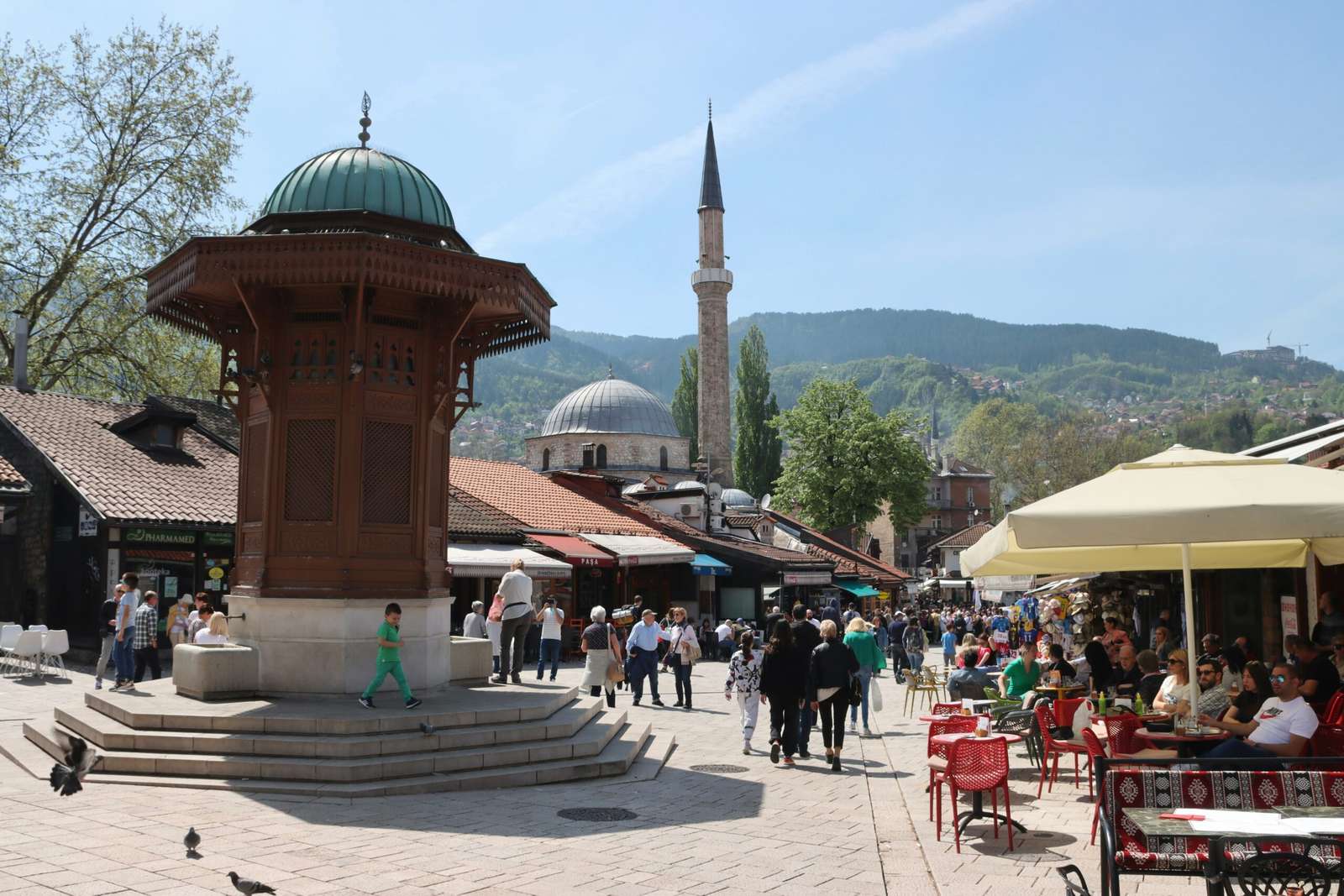
A walking tour on the first morning makes the shift from the Ottoman quarter to the Austro-Hungarian avenues easier to understand. Routes commonly cover the Sebilj, Gazi Husrev-beg Mosque, the Meeting of Cultures marker, Latin Bridge and the City Hall area. Themes and exact routes differ, so choose by language, duration and the historical focus you want.
A free tour has no fixed price. At the end, each traveller decides how to value the guru’s work. A usual reference is €10-20 per person, rising to €50 for small groups or exceptional gurus. The booking page gives the current meeting point and live departure times.
📌 Fall for the pearl of Balkans while learning eye-widening facts a…

📍 Welcome to Sarajevo , the heart and soul of Bosnia and Herzegovina! This vibrant capital is …

Discover Sarajevo on a free walking tour through the heart of one of Europe’s most fascinating cities. Walk through Bašč…

Discover Sarajevo through its stories, people and emotions, not only through dates and monuments. This free walking tour i…

First time in Sarajevo? Want to meet other people? Free tour is the perfect choice for You and Your crew!…

One of the best ways to acquaint yourselves with the new place is with the help of a licensed guide….

Searching for a professional and entertaining experience to feel the real spirit of Sarajevo? You are surely on the right…

Baščaršija—the old market—works best without a rigid route. From the wooden Sebilj fountain, streets still reflect older trades: Kazandžiluk is associated with copper workshops, while Sarači and Ferhadija lead towards the western side of the centre. Early morning is quieter. Later, tour groups, shoppers and café tables fill the square.
Look beyond the shop windows. Courtyards, passages and former caravan facilities show how the Ottoman commercial centre operated. Morića Han remains embedded in the bazaar’s street plan and gives a sense of the scale of a historic inn for merchants and travellers.
Gazi Husrev-beg Mosque is central to understanding sixteenth-century Sarajevo. Tourist access is arranged around prayer times. According to the mosque’s official visitor information, from April to October the interior can be visited from 9:00 to 12:00, 14:30 to 16:00 and 17:30 to 19:00; admission is 3 KM. From late October to April, the listed visiting period is 9:00 to 11:00.
Dress for an active place of worship and follow staff instructions. Outside, the courtyard and clock tower belong to the same urban group, while Gazi Husrev-begova Street gives a long north-to-south view across the bazaar.
A marker set into Ferhadija’s pavement highlights the visual transition between two periods of the city. Look east for the lower lanes and rooflines of the bazaar; look west for façades from the late nineteenth and early twentieth centuries. Following the pedestrian street leads to Sacred Heart Cathedral and, farther on, the Eternal Flame.
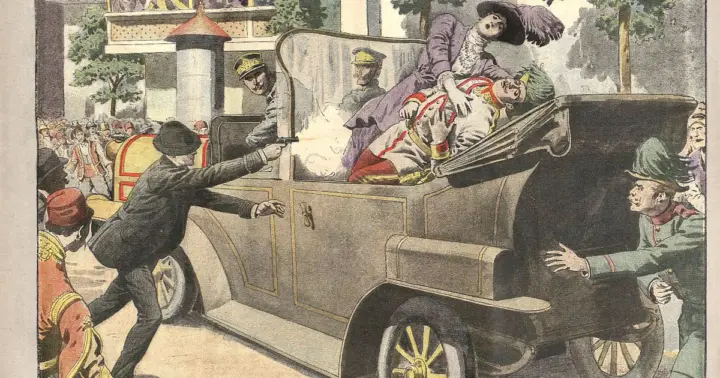
Latin Bridge is visited for its connection to the 1914 assassination that preceded the First World War. The event changed the meaning of this small river crossing.
The Museum of Sarajevo 1878-1918 occupies the corner building and supplies the context that a photograph of the bridge cannot. From here, continue beside the Miljacka to Vijećnica, Sarajevo City Hall.
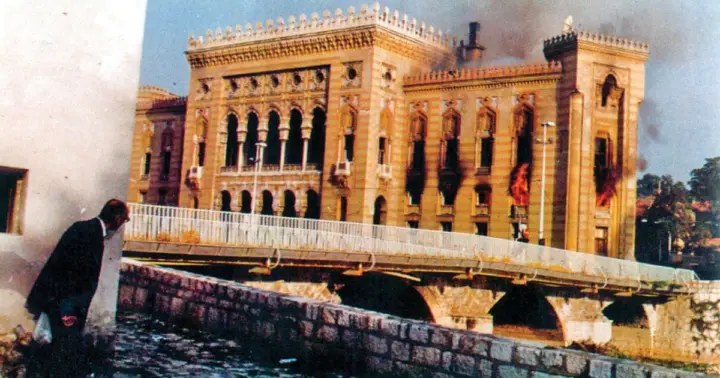
Vijećnica opened in 1896 and burned in August 1992. The building’s loss included much of the National and University Library collection housed there.
Following reconstruction, City Hall reopened in 2014. Visitors can see the atrium, ceremonial staircase and exhibitions about the building. “Every day: 9:00-17:00,” notes the official Vijećnica website in its current visitor information.
Yellow Fortress gives an elevated view over the old town without leaving the city. The walk from Baščaršija climbs steadily through Kovači. It suits the end of a short day when you have a few hours but do not want to dedicate half a day to the mountain.
Trebević takes longer. The cable car starts in Bistrik—south of the river—and arrives near walking paths and the bobsleigh track built for the 1984 Winter Olympics. The official Sarajevo Cable Car website currently gives opening hours of 12:00 to 21:00 on Mondays and 9:00 to 21:00 on other days. Allow between two hours and half a day, depending on how far you walk.


War Childhood Museum. Objects and testimonies focus on growing up during war. Rather than a military timeline, personal experiences carry the exhibition. Its official visitor page lists daily opening from 11:00 to 19:00, with last entry at 18:30. Adult admission is 15 KM; admission is free on the last Thursday of each month from 17:00 to 19:00.
History Museum of Bosnia and Herzegovina. Displays connect the Yugoslav period, the Second World War and the siege of Sarajevo. Beside the National Museum—on the tram corridor rather than in the old town—it rewards a separate trip west. The practical information page lists daily opening from 9:00 to 19:00 and general admission of 10 KM.
National Museum of Bosnia and Herzegovina. Archaeology, ethnology and natural history share this large complex. It offers a different focus from institutions devoted to recent conflict and can take several hours. The National Museum’s official website gives opening from Tuesday to Sunday, 10:00 to 19:00, with Monday closure and adult admission of 20 KM. We would reserve a half-day if its three main collections all appeal.
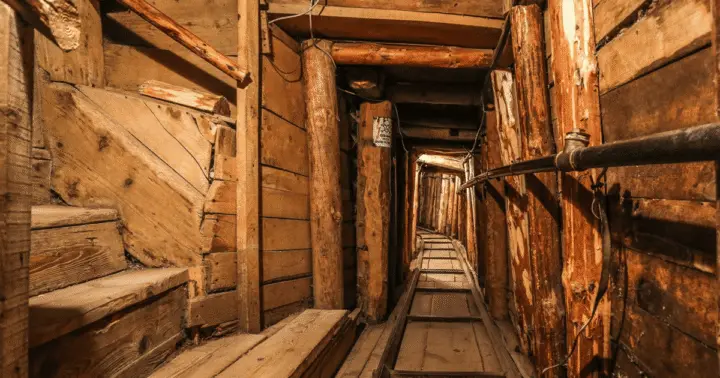
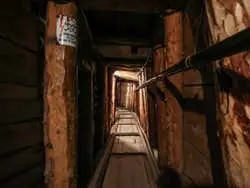
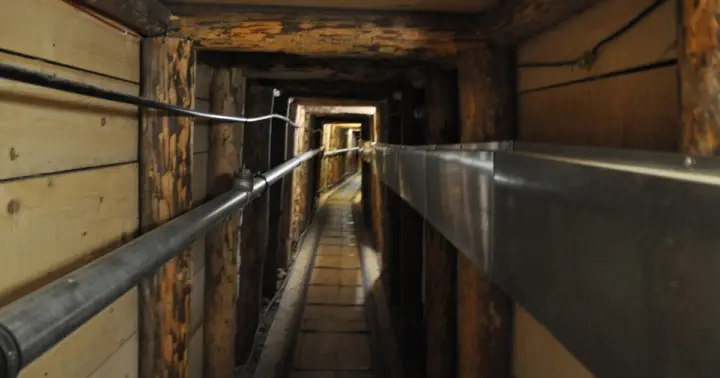
Tunnel of Hope. This memorial lies near the airport, away from the centre’s walking route. Part of the tunnel built beneath the runway during the siege is preserved in the complex. Give the visit a separate block because of the journey. If logistics align, pair it with arrival at or departure from the airport; it is not a quick stop between Baščaršija landmarks.
Many Baščaršija restaurants specialise in one dish. Ćevapi are small pieces of grilled meat served with somun bread, onion and sometimes kajmak. Burek contains meat; other forms of pita are named for their filling, such as sirnica for cheese or zeljanica for spinach. Ordering by weight is common in buregdžinica shops.
In Baščaršija, Bosnian coffee arrives in a džezva with a small cup and often something sweet. Pour slowly so the grounds remain in the pot. Desserts include baklava, tufahija—a filled apple—and hurmašica. A coffee stop fits naturally between the bazaar and the riverside walk without taking over the afternoon.
Start in Baščaršija with a free tour, then return to Gazi Husrev-beg Mosque. Ferhadija comes next. Pass the Cathedral and the Meeting of Cultures marker before reaching Latin Bridge, the Miljacka and Vijećnica in the afternoon. Finish at Yellow Fortress. This day focuses on the historic core; save the larger museums and Trebević for another visit.
We keep the first day on foot. On day two, choose the War Childhood Museum or History Museum in the morning, then take the cable car to Trebević in the afternoon. If you prefer collections to mountain views, replace Trebević with the National Museum and a walk towards the Festina Lente bridge.
A third day allows time for the Tunnel of Hope without compressing the centre. Another option is Ilidža and Vrelo Bosne for springs and tree-lined paths rather than streets and museums. To remain inside Sarajevo, divide the museums between days two and three and leave time for neighbourhoods beyond Baščaršija.
Currency. Bosnia and Herzegovina’s convertible mark is abbreviated as KM or BAM. Museums and small businesses display prices in this currency, so cash remains useful for modest purchases even when larger venues accept cards.
Getting around. Baščaršija, Ferhadija and the Miljacka riverside connect well on foot. A tram, trolleybus or bus is more practical for the museums on Zmaja od Bosne, Ilidža and other outer areas. Leave the historic core before boarding; the narrow market lanes themselves are pedestrian territory.
Airport. Sarajevo Airport is about 12 km from the centre. The updated visitor information on airport transfers covers the bus coordinated with flights and other transport options. Check the listed departure closest to your flight rather than assuming a fixed urban frequency.
Length of stay and accommodation. Two days cover the centre, one museum and Trebević; three days allow the Tunnel of Hope or Ilidža without rushing. Baščaršija limits transport needs on a first visit, while Marijin Dvor is closer to the national museums and the tram corridor.
How many days do you need in Sarajevo? Two days are a useful baseline: one for the historic centre and another for a museum and Trebević. Three days make room for the Tunnel of Hope or Ilidža at a slower pace. A single day still works for the old town, river and Yellow Fortress, provided you do not add a major museum.
Is Sarajevo walkable? The Baščaršija–Ferhadija–Marijin Dvor axis is comfortable on foot. Yellow Fortress involves a climb, while the Tunnel of Hope, Ilidža and Trebević need transport or the cable car. Comfortable footwear matters more on the old town’s stone and the uphill lanes than on central Ferhadija.
Which Sarajevo museum should you choose with limited time? Personal stories lead at the War Childhood Museum; the History Museum supplies a wider political and social frame; the National Museum covers archaeology, ethnology and natural history. Choose by subject rather than treating one as a universal first choice.
Do you need a credit card to book a free tour? No. GuruWalk requires no credit card to reserve. At the end of the walk, each traveller gives the guru the amount they consider appropriate, with €10-20 per person as a common reference. We show each tour’s language, duration and meeting point before booking.
The clearest sequence is context first and detailed visits afterwards: a free tour, Baščaršija and the river corridor on day one; museums and viewpoints on day two. GuruWalk is a platform for finding and booking free tours with local guides and activities in cities around the world. Check current free tours in Sarajevo, then browse activities and experiences in Sarajevo if you want to add another visit.
Travel marketing specialist with extensive experience in the travel sector. At companies such as Despegar and GuruWalk, she has led traveler-focused digital acquisition strategies. Now, from the GuruWalk blog, she combines her expertise with her passion for discovering and sharing unique destinations.
Local guides, pay-what-you-want and no credit card to book. That is how you understand a city.
Explore free tours on guruwalk.com