




Tallinn’s Lower Town, Toompea, medieval walls and former industrial districts are arranged into practical routes for one, two or three days.
 Belén Rivas
GuruWalk
·
Updated 3 Sep 2026
Belén Rivas
GuruWalk
·
Updated 3 Sep 2026Tallinn’s centre combines a lower town of guild streets, a fortified hill and former industrial districts beside the Baltic Sea. Despite its compact footprint, the Old Town rewards a sensible order. At GuruWalk, we see a free tour in Tallinn as the clearest start: it connects the Hanseatic city, the Estonian capital and its northern port. That context makes it easier to choose which towers, museums and neighbourhoods fit the time available.
Last verified: August 2026 — Prices, opening hours, and reservation requirements checked against official sources. GuruWalk’s Tallinn guides reviewed the practical recommendations.
An introductory route usually links Town Hall Square, St Catherine’s Passage, Viru Gate and the streets climbing to Toompea. The distances are short. The useful part is understanding why political and religious power occupied the upper town while merchants and craftspeople worked below. With that context, the medieval façades become more than a backdrop.
Free tours do not have a fixed price. At the end, each participant gives the guru the amount they consider fair; the usual guideline is €10-20 per person and it can reach €50 for small groups or exceptional gurus. No credit card is needed to book. We suggest a morning departure, leaving the afternoon free for Kiek in de Kök or the walk to Kalamaja.
Walk through 800 years of Tallinn with a local. From medieval legends and Toompea's viewpoints to the modern years and…

Tallinn is a city of stories, and Tales of Reval brings them to life. Join us on a journey through…

Step behind the Iron Curtain with a local guide. From the former KGB headquarters to grand Soviet buildings and the…
A single voice is fragile. A thousand voices can shake the world. Walking down the Song Festival Grounds

This guided tour is now available in French. La visite est aussi proposée en français. The sea has alwa…
Tallinn offers a great diversity of experiences available to visitors. This tour will take you on a j…

On this guided tour you will discover why Tallinn is considered one of the most beautiful medieval cities in Estonia,…

Town Hall Square and Pikk Street
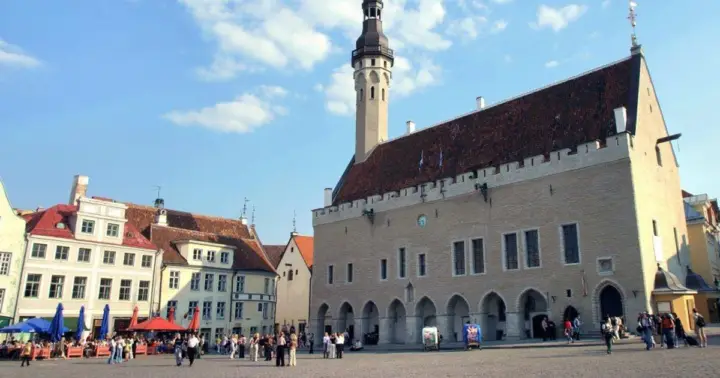
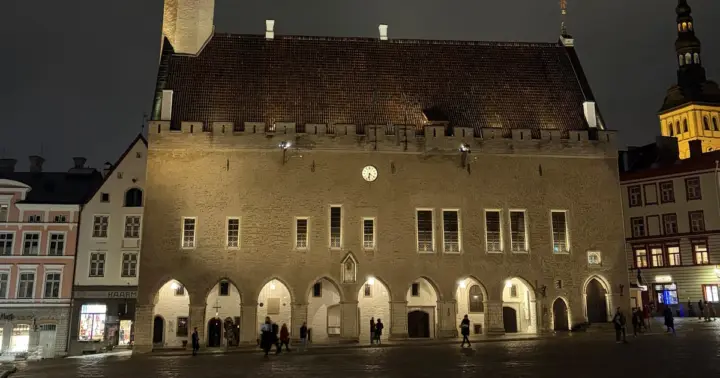
Raekoja plats is the natural starting point, with the Gothic Town Hall, merchants’ houses and the Town Hall Pharmacy around it. From here, Pikk Street leads towards St Olaf’s Church and the Fat Margaret tower. Instead of following the entire street at once, alternate the main route with short detours through Saiakang and St Catherine’s Passage.
“One of the best preserved medieval old towns in all of Europe,” Tallinn’s official tourism office notes on its guide to Tallinn Old Town. Its street pattern and many buildings date mainly from the 13th to 16th centuries, and the district has been on the World Heritage List since 1997. Reach the square before 9:00 or return late in the afternoon to see it with fewer large groups.
From 1 June to 31 August, the Town Hall tower —a seasonal climb— opens from 11:00 to 18:00. General admission is €6 and the student ticket is €4. Its balcony stands 34 metres above the square, reached by 115 steps that become higher and narrower near the top. At other times of year, Toompea’s free viewpoints provide a broad city panorama without depending on the tower’s summer schedule.
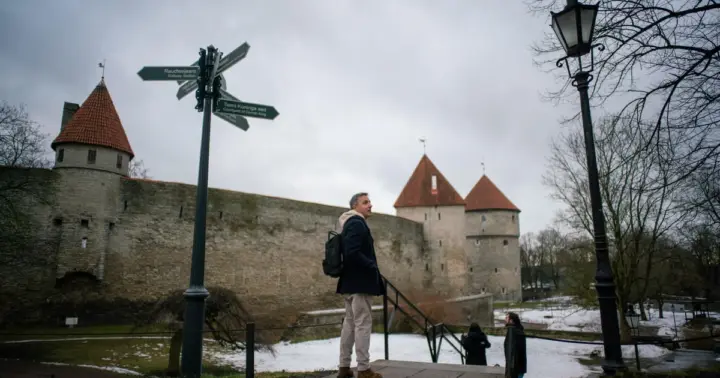
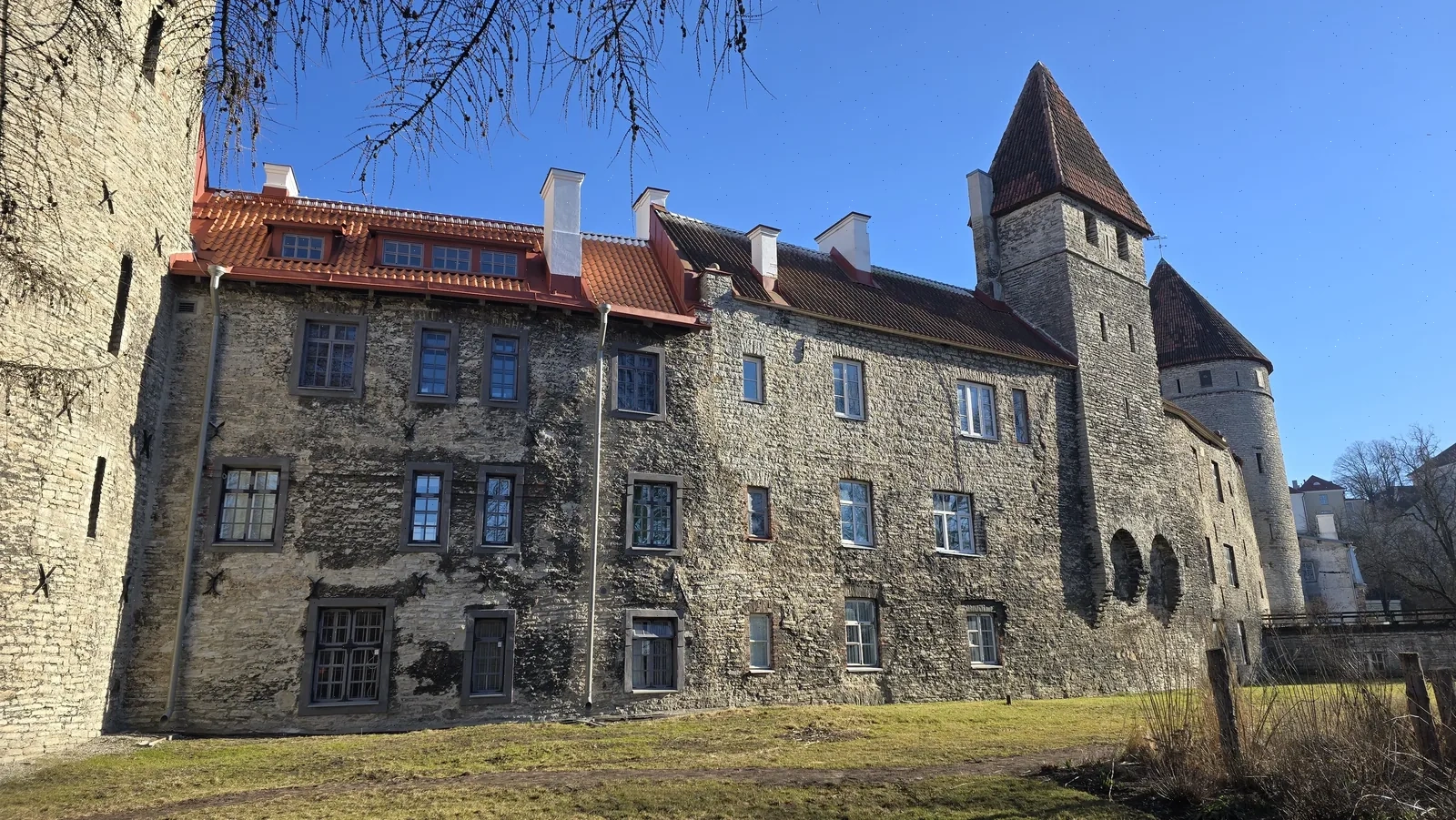
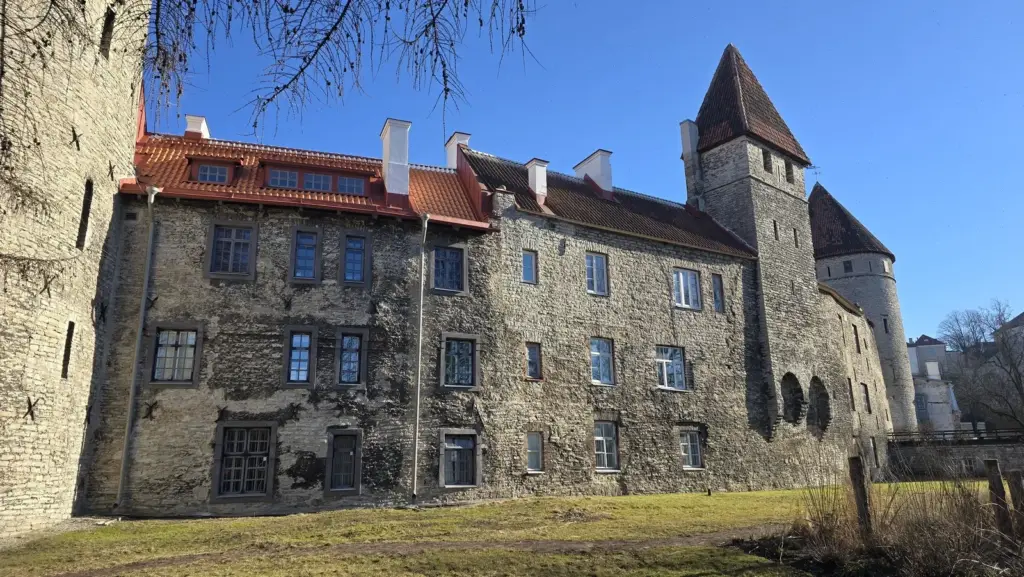
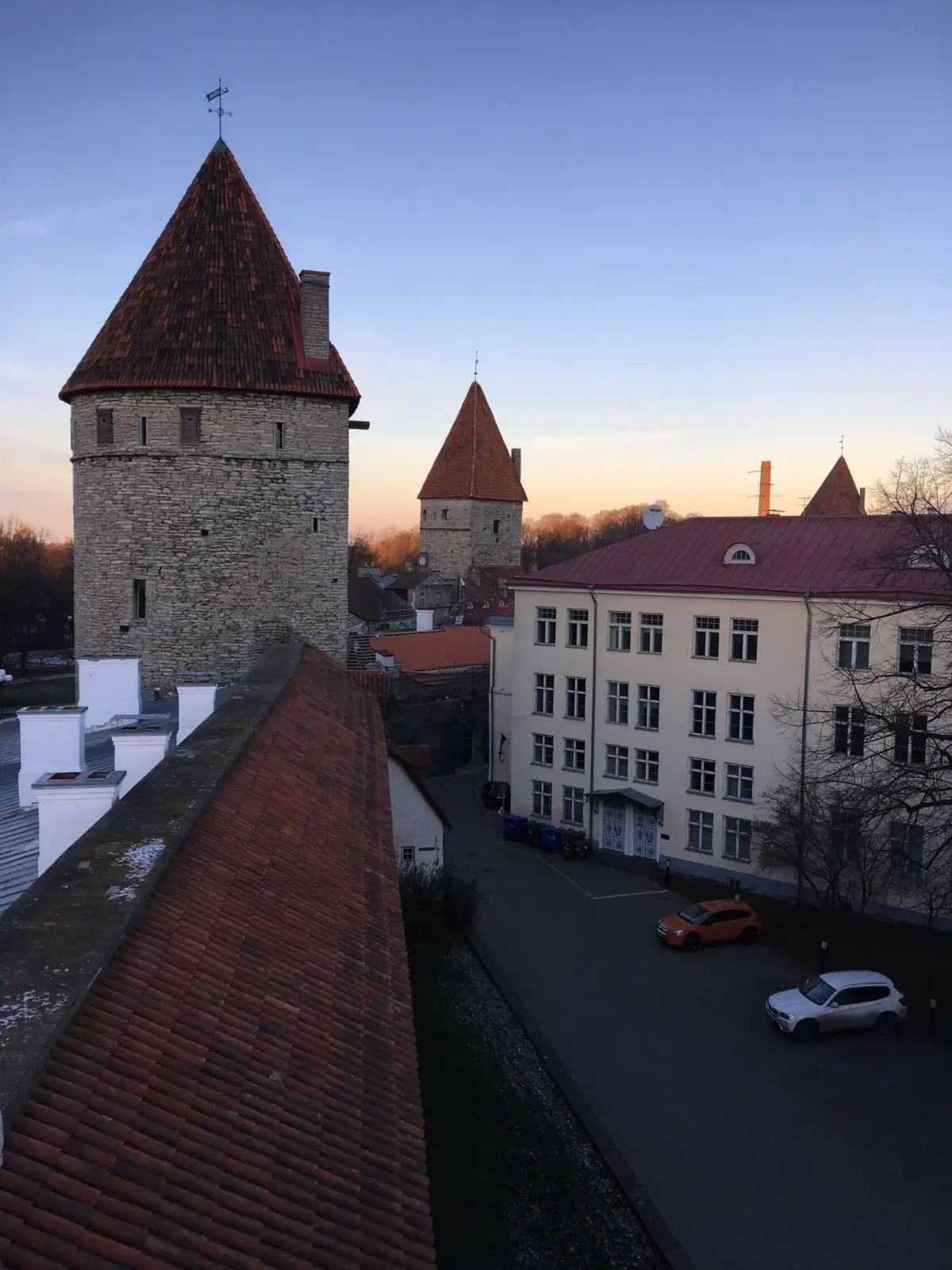
Viru Gate’s two towers mark the transition between the modern centre and the medieval town. Müürivahe then follows the wall towards Hellemann Tower. Nearby, St Catherine’s Passage crosses former Dominican convent buildings and joins Vene to Müürivahe beside a row of small workshops.
This section works best on foot and without a rigid timetable. Allow two to three hours for the Lower Town, including a break and one indoor stop. Cobbles are uneven, and several tower entrances involve narrow stairs. Travellers with limited mobility can prioritise the square, Pikk Street and the exterior approaches to the walls.
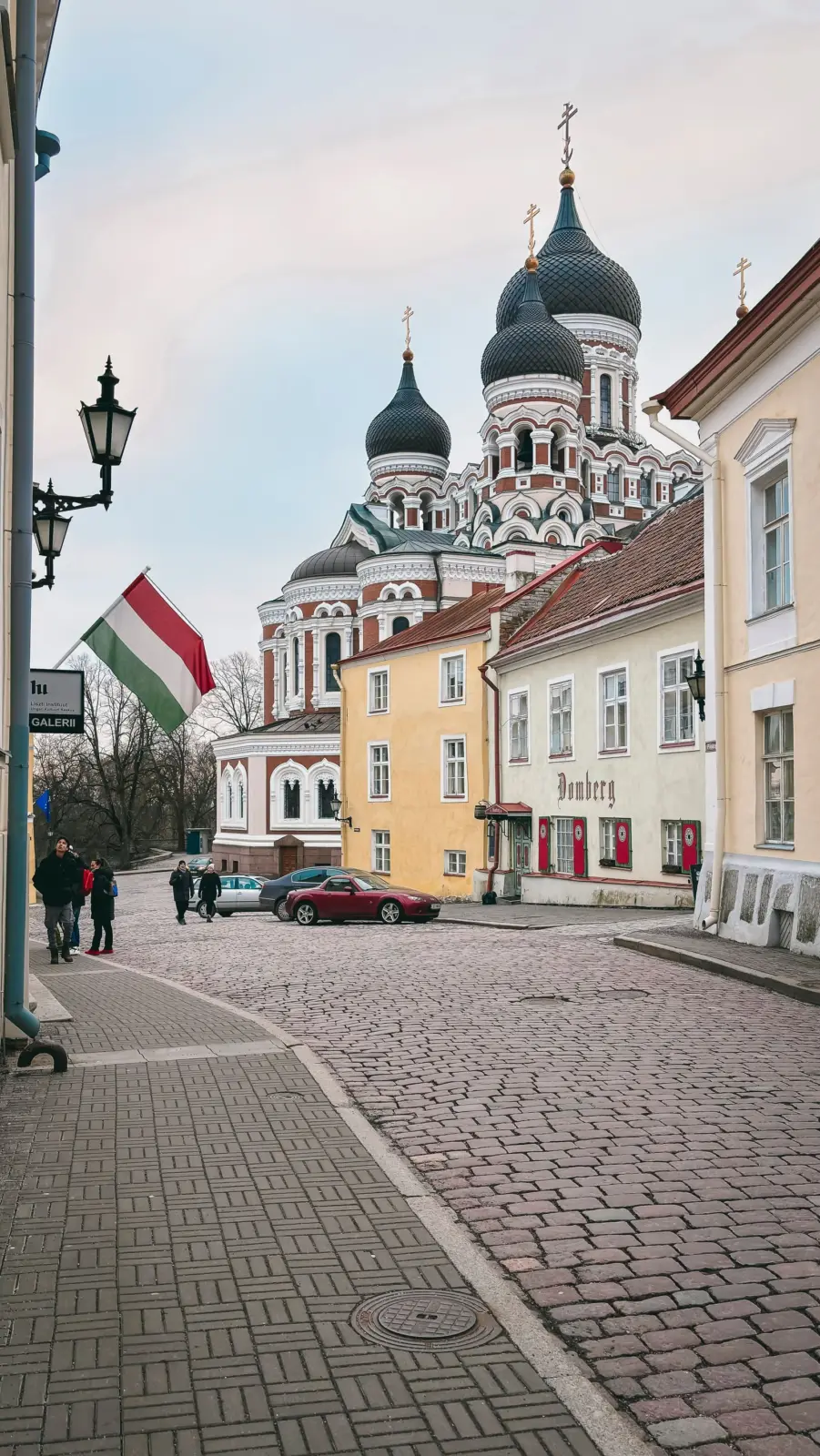
Toompea —the historic upper town— is reached by the sloping Pikk jalg or the steps of Lühike jalg. At the top are Toompea Castle, home of the Estonian Parliament, the Lutheran St Mary’s Cathedral and the Orthodox Alexander Nevsky Cathedral. The buildings stand close together, so one hour is enough for the exteriors and the inside of one church.
Kohtuotsa and Patkuli are the best-known viewpoints. The first looks across red roofs towards the modern skyline; the second opens towards Balti Jaam station and Kalamaja. A long staircase descends from Patkuli to the Lower Town. Use it on the way down rather than repeating the climb after a morning on foot.
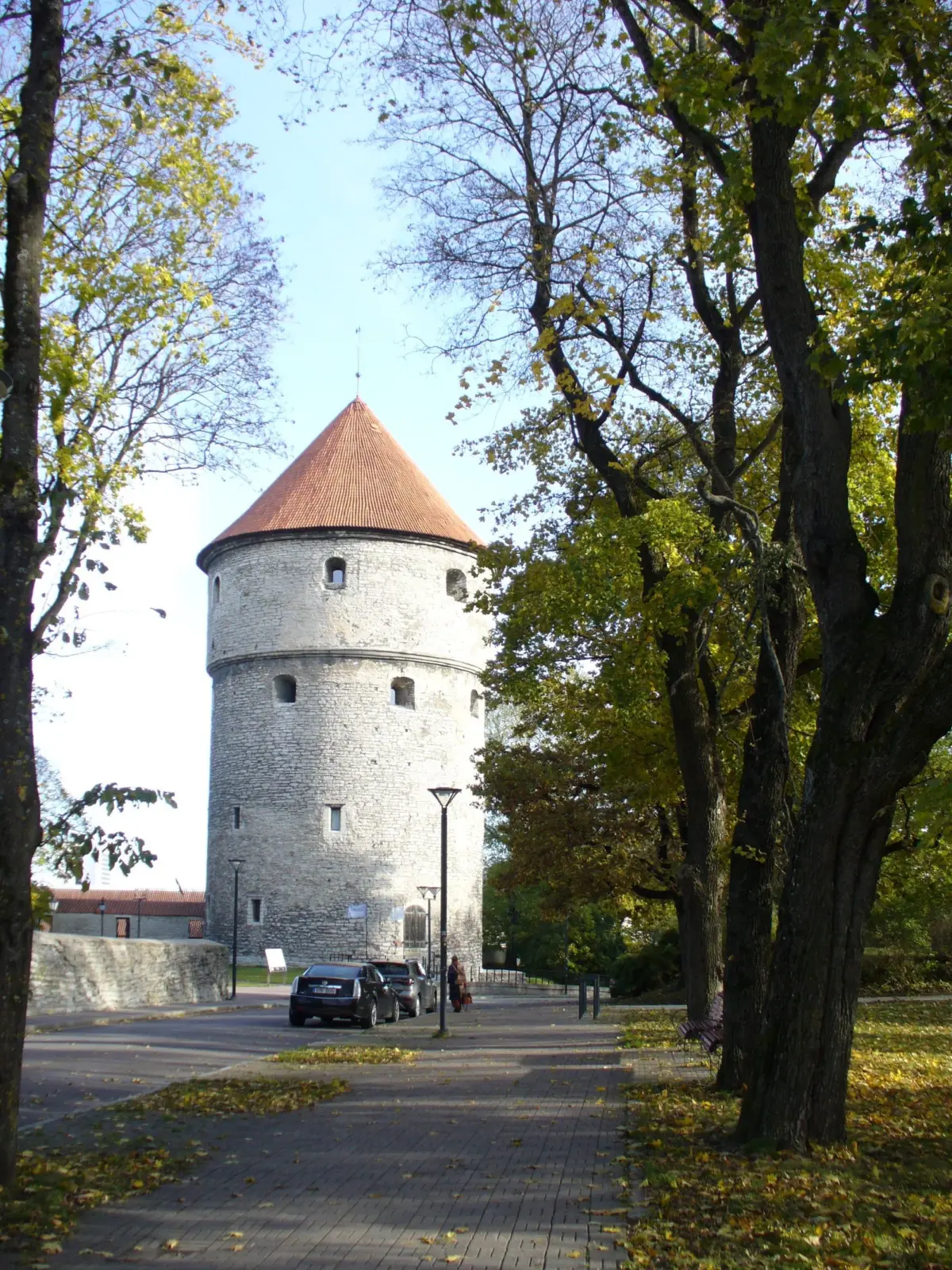
Kiek in de Kök connects four towers, a wall gallery and underground bastion passages. This is where Tallinn’s defensive system becomes clear. The complex stands beside Freedom Square, making it easy to visit after descending from Toompea and before returning to the Lower Town.
Between May and September it opens daily from 11:00 to 18:00; from October to April, it opens Tuesday to Sunday at the same times. Full admission costs €16, the four-tower option €12, and the passages with the Carved Stone Museum €10. The official Kiek in de Kök visitor information notes uneven steps and a constant temperature of 10-12°C in the tunnels.
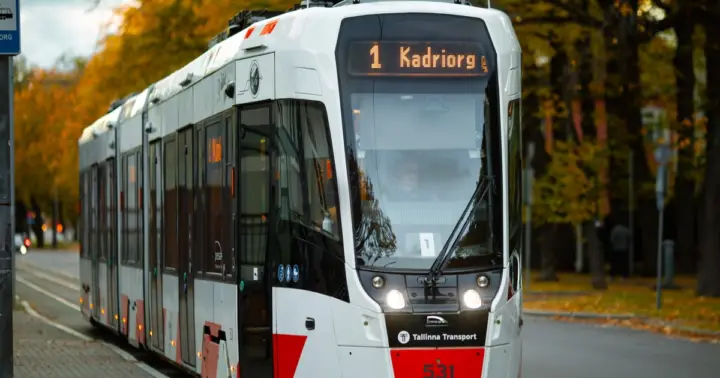
Kadriorg changes the pace of the trip. Its park surrounds the Baroque palace built for Peter the Great and links gardens, wooden houses and several museums. The district lies east of the centre and is reached by tram or bus. Allow half a day to combine the park with Kumu; an exterior-only walk takes about two hours.
Kumu traces Estonian art from Academic traditions to contemporary work, with substantial sections on Modernism and the Soviet period. It opens 10:00-18:00 on Tuesday, Wednesday and Friday to Sunday, and until 20:00 on Thursday; Monday is normally closed. The official Kumu website lists exceptional Monday openings and holiday closures.
Kalamaja —a former workers’ district— begins beyond Balti Jaam, where streets are lined with timber houses. Telliskivi occupies industrial buildings beside the railway and contains workshops, design shops, restaurants and cultural venues. Balti Jaam Market forms the link between the Old Town and the neighbourhood, so no transport is needed for this part.
Continue from Telliskivi towards Noblessner and the Seaplane Harbour. The maritime museum displays the Lembit submarine, boats and navigation exhibits inside former hangars. Admission is €22 for adults and €11 for students and visitors aged 9-18. From May to September it opens daily from 10:00 to 19:00; from October to April, Tuesday to Sunday from 10:00 to 18:00. Allow at least two hours and check the official Seaplane Harbour information before booking.
Start with a morning free tour through the Lower Town and up to Toompea. Return to Town Hall Square and Pikk Street around midday. Use the afternoon for Kiek in de Kök or one Old Town museum, then finish at the Toompea viewpoints and walk back through Viru Gate.
Keep the first day for the Old Town. Begin day two in Kadriorg and enter Kumu after walking through the park. Then head back to Balti Jaam. A longer afternoon in Telliskivi and among Kalamaja’s wooden houses combines three distinct parts of Tallinn without crossing the city several times.
If Kumu is the main priority, enter when the museum opens and explore the park afterwards. Travellers who prefer architecture can reverse the order and spend the first part of the morning around Kadriorg Palace, when its paths are quieter. Back near Balti Jaam, keep at least an hour for the market and Telliskivi before continuing through Kalamaja. The walk is more useful than a quick photo stop because the wooden housing and reused factories explain how Tallinn expanded beyond its medieval walls.
Use the third day for the waterfront. Begin at the Seaplane Harbour and continue on foot to Noblessner. On the return journey, choose an indoor visit left from earlier: the Kiek in de Kök passages, the City Life Museum or a viewing tower. Leave a generous margin because indoor attractions commonly close between 18:00 and 19:00.
Once the basic itinerary is fixed, browse activities and experiences in Tallinn. We recommend booking them after setting museum times and walking days, especially on a one- or two-day visit.
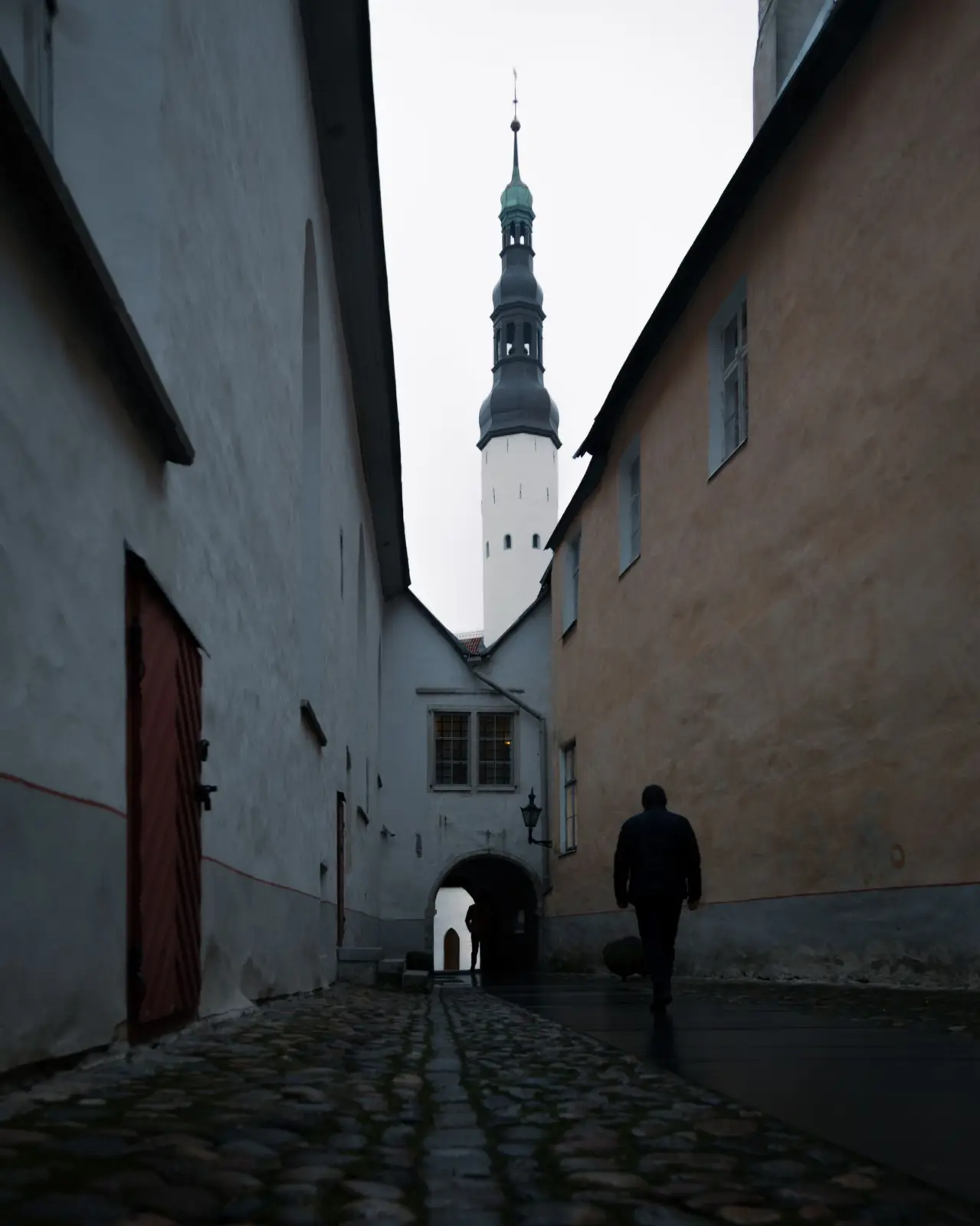
The Old Town is best explored on foot. Trams and buses are useful for Kadriorg, the airport and waterfront districts. Services generally run from about 5:00 to midnight, depending on the route, and night buses operate from 00:30 to 3:30 on Fridays and Saturdays.
A one-hour ticket costs €2, a 24-hour ticket €5.50, a 72-hour ticket €9 and a 120-hour ticket €11. A single ride can be paid for with a contactless bank card at the front validator; drivers do not sell tickets, and cash is not accepted on board. Tallinn’s municipal transport page lists current fares and payment methods.
For a two-day stay, separate tickets normally cover an airport journey and the ride to Kadriorg. A 24- or 72-hour pass is easier when several museums outside the Old Town are planned. Validate every ride after boarding, even when the pass is already active, and keep the same payment card for any fare cap to be calculated correctly.
Footwear and seasons: stable soles help on Toompea’s cobbles. Winter daylight is short and some towers open seasonally, so use midday for outdoor sights. In summer, begin the Old Town early and visit museums during the busiest hours on the streets.
Payments and museums: Estonia uses the euro, and card payments are widely accepted. Check Monday or Tuesday closures before assigning a day to Kadriorg or the harbour.
Two days cover the Old Town, Toompea, Kadriorg and Kalamaja. A third day makes room for the Seaplane Harbour and the fortifications without rushing between closing times.
Yes. The Lower Town, Toompea, Balti Jaam and Telliskivi form a continuous walking route. Public transport is more convenient for Kadriorg, the airport and points farther along the coast.
Town Hall Square, St Catherine’s Passage, Viru Gate, the Toompea viewpoints, Kadriorg Park, Kalamaja and Noblessner can all be explored without admission. Towers, passages and museums charge entry.
The Lower Town is practical for a short first visit. The area around Balti Jaam provides easy access to both the Old Town and Kalamaja, while the modern centre around Viru has better transport links to Kadriorg and the airport.
Travel marketing specialist with extensive experience in the travel sector. At companies such as Despegar and GuruWalk, she has led traveler-focused digital acquisition strategies. Now, from the GuruWalk blog, she combines her expertise with her passion for discovering and sharing unique destinations.
Local guides, pay-what-you-want and no credit card to book. That is how you understand a city.
Explore free tours on guruwalk.com